Oil and European Gas Ease After Saudi Pipeline Update
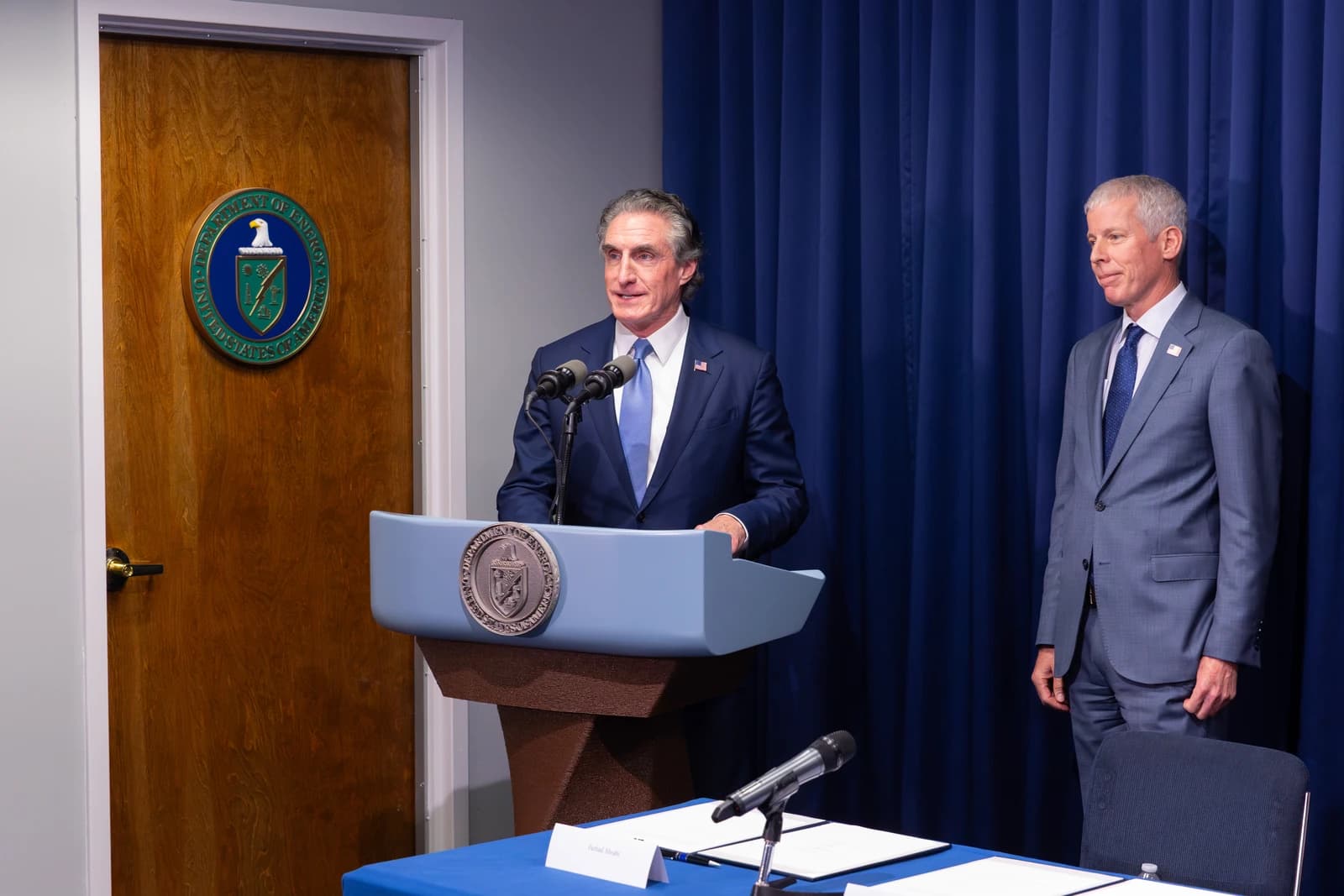
Oil prices slipped and European gas pared gains after U.S. Energy Secretary Chris Wright said Saudi Arabia’s East-West pipeline disruption should last only a few days, easing some of the market’s most immediate supply panic even as the broader energy shock in the Middle East remains unresolved.
That matters because the market is still trading on the risk of a wider logistics breakdown, not just a temporary outage. Brent was little changed near $107.8 a barrel on Wednesday after touching recent highs, while U.S. crude inventories rose 7.1 million barrels last week, according to the American Petroleum Institute, giving traders a reason to lock in profits after a sharp run-up. Yet the bigger story is that supply risk is still concentrated around chokepoints and infrastructure: the East-West line is offline, Houthi attacks continue around the Bab el-Mandeb, Libya has also seen disruption, and Saudi Aramco has reportedly delayed some deliveries to European customers.
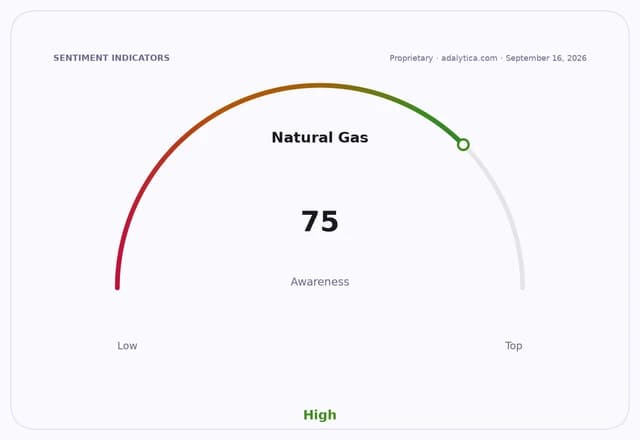
Natural gas is where the stress looks more durable. European benchmark contracts were hovering around 80 euros per megawatt hour, near 2022-era extremes, as the market braces for winter with storage only about 68% full, well below the seasonal norm when inventories should be closer to 80%. The Strait of Hormuz has become harder for commercial shipping to navigate, limiting Qatar LNG flows into Europe at the same time Norwegian maintenance is trimming pipeline supply. That combination leaves buyers exposed to a cold-weather squeeze and a fierce scramble for cargoes.
For investors, the setup is clear: this is not just an oil headline, it is a pricing reset for the energy complex. The move lower in crude may tempt traders to fade the rally, but the gas market says the risk premium is far from gone. Adalytica’s trade signals on U.S. crude still show “Extreme Fear,” while natural gas sits in “Greed,” reflecting a market that is still paying up for supply security. Energy equities have already re-rated higher — XLE has surged alongside the commodity move — but the next beneficiaries may be the less obvious ones: LNG exporters, midstream operators, oilfield services, and infrastructure names tied to replacement barrels and cargo rerouting.
The investment takeaway is to treat any dip in crude as tactical, not strategic. If East-West is restored quickly, oil may cool further; if disruptions in the Gulf, Libya or Norway linger, the market will keep rewarding assets with direct exposure to constrained supply and global gas shortages. In this environment, the asymmetric trade remains in energy infrastructure and LNG-linked names, not in betting that the geopolitical premium disappears.
| Entity | Gains | Losses |
|---|---|---|
| LNG exporters | ▲Higher cargo pricing | ▼Buyers facing shortages |
| Midstream/infrastructure | ▲More rerouting demand | ▼Idle pipelines and ports |
| Energy equities | ▲Commodity tailwind | ▼Margin pressure from volatility |
| European industrial consumers | ▲None | ▼Higher fuel and power costs |