Oil Above $100 as Hormuz Tanker Delays Rise
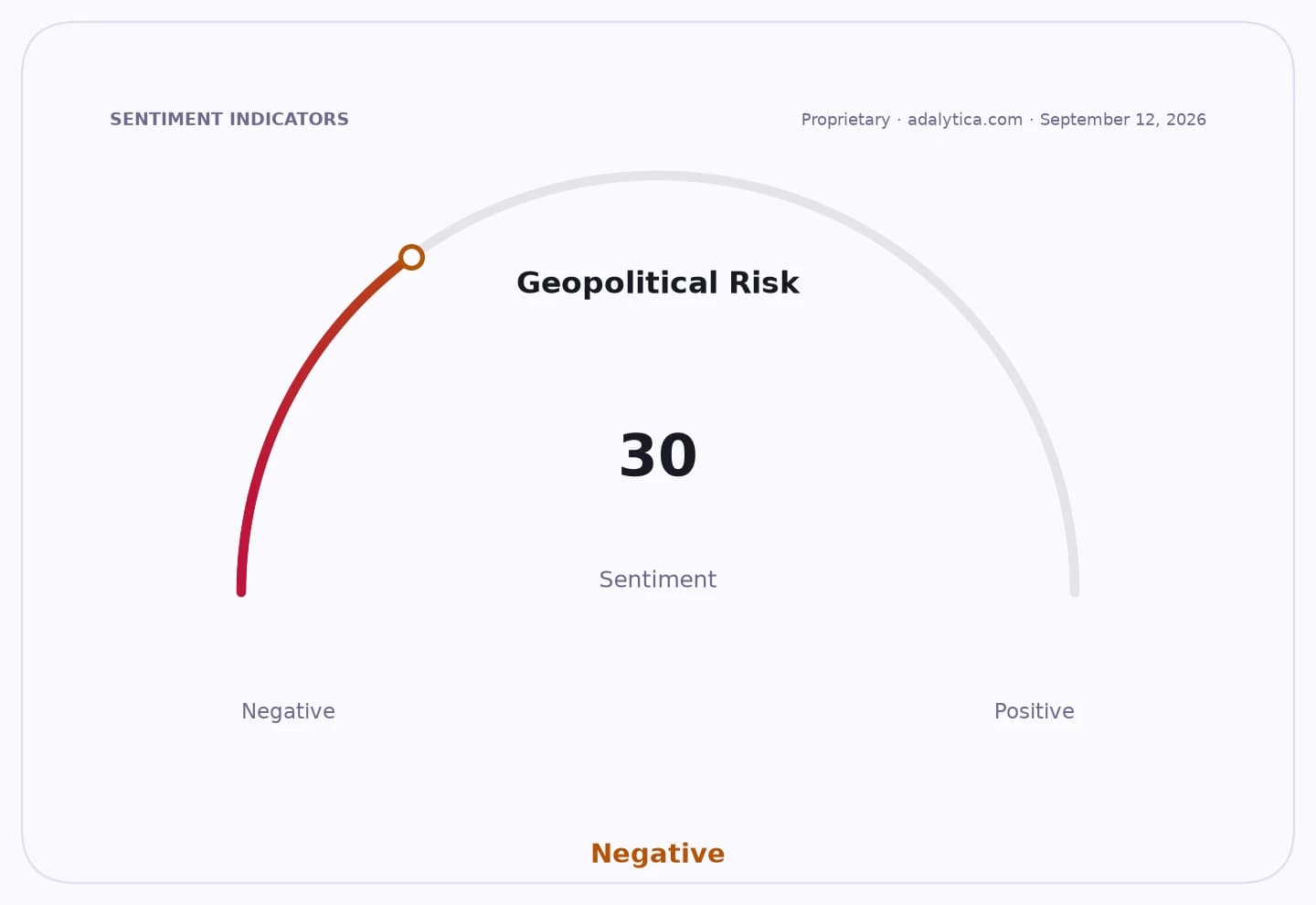
Oil prices are back above $100 a barrel as tanker attacks and a growing traffic jam in the Strait of Hormuz raise the risk that India’s fuel import bill, inflation and corporate costs are about to get worse.
That matters because Hormuz is not just another chokepoint — it is the route for a huge share of the world’s seaborne oil. Monday’s MarineTraffic data showed 42 tankers waiting to pass through the strait, with 18 carrying crude or petroleum products. Their combined cargo is estimated at about 1.76 million cubic meters, or 11.1 million barrels, enough oil to fill roughly 714 Olympic-size swimming pools.
For India, the problem is straightforward: it imports most of the crude it consumes. When Brent trades near $101 a barrel and WTI hovers around $96, the hit shows up first in the trade account and then in everything from transport costs to the price of everyday goods. Even if state fuel prices do not jump immediately, the pressure builds across refiners, airlines, paint makers, tyre companies, chemicals producers and other heavy energy users.
Investors should care for the same reason. Higher oil prices tend to squeeze margins, complicate inflation forecasts and keep central banks, importers and emerging-market assets under pressure. In India, that can mean a tougher backdrop for equities if energy stays expensive long enough to feed through to earnings. The bigger worry is not one day of volatility but the possibility that shipping disruptions turn a short-lived risk premium into a more durable cost shock.
The stakes are also environmental and geopolitical. A successful strike on a tanker could trigger a fire, sinking or spill that spreads far beyond the attack site, threatening coastlines, fisheries and marine ecosystems around the Gulf of Oman. Oman has already warned that a leak from the Caroline Bezengi could affect tens of kilometres of coast near Ras Madrakah and Masirah Island.
The market is already pricing in fear. Adalytica’s Oil WTI Trade Signals show “Extreme Fear” even as awareness stays elevated, a sign that traders know how quickly a shipping crisis can reshape crude markets. Exxon Mobil and Chevron have both outperformed in the energy rally, helped by the kind of supply anxiety now gripping the Gulf, though their fortunes depend on how long this disruption lasts and whether governments can secure the waterway.
History says geopolitical oil spikes usually reward patience more than panic. If Hormuz remains open, the premium can fade. If attacks continue, India’s import-sensitive economy and consumer sectors could face a longer squeeze, while oil producers and integrated majors gain pricing power. For long-term investors, this is a reminder to stay diversified and watch whether the risk is a headline flare-up or the start of a more expensive energy era.
| Entity | Gains | Losses |
|---|---|---|
| Oil producers | ▲Higher crude prices | ▼Demand destruction risk |
| Indian refiners and consumers | ▲None immediately | ▼Bigger import bill |
| Energy majors like Exxon and Chevron | ▲Pricing power | ▼Short-term volatility |
| Airlines, paints, tyres and chemicals | ▲None | ▼Margin pressure |