Oil Jumps on Hormuz Violence, Amazon Falls

Oil’s jump above $94 a barrel after fresh violence around the Strait of Hormuz is the bigger market story because it threatens to push up fuel, shipping and input costs across the economy just as investors were already bracing for higher-for-longer rates and tighter risk appetite. Amazon is caught in the crosscurrents: its shares fell about 3% after a report that the Federal Trade Commission plans to sue over ad pricing on its retail platform, adding a new regulatory overhang to one of the market’s most important growth engines.
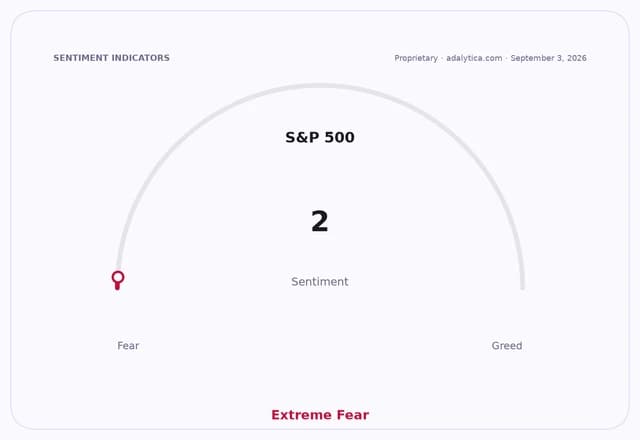
The immediate takeaway for investors is that two pressure points are hitting at once. A supply shock in the world’s most important oil chokepoint tends to ripple far beyond energy stocks, and the latest move in crude was enough to lift the USO oil ETF to 141.15, with its 50-day moving average and RSI readings showing the rally has become technically stretched. At the same time, the S&P 500 is flashing extreme fear in Adalytica’s trade signals, a reminder that macro shocks and company-specific headlines can quickly reinforce each other.
For Amazon, the FTC case matters because advertising has become a major profit engine, not just an add-on. A lawsuit alleging the company manipulated the prices advertisers pay on its retail platform would go straight to the economics of one of Amazon’s highest-margin businesses. That is exactly the kind of scrutiny that can slow pricing power, widen legal costs and keep a valuation discount in place, even if core e-commerce demand remains intact. Amazon closed at $254.98 after the report, down from $259.77 a day earlier, and the stock’s recent failure to hold gains suggests investors are still sensitive to any sign that regulation could cap margin expansion.
The oil move carries a broader message: geopolitics is still the market’s most underpriced inflation risk. Renewed U.S.-Iran hostilities and attacks on supertankers in the Strait of Hormuz raise the odds of sustained energy volatility, which can bleed into transport, plastics, airlines, consumer spending and eventually corporate earnings. Brent’s more than 4% surge fits a pattern investors know well — when Middle East supply routes come under pressure, the first reaction is often a bid for energy assets and a retreat from cyclicals and high-duration growth names.
That is why the relative winners and losers are becoming clearer. Energy producers, oil service firms and integrated majors gain from higher crude, while airlines, shippers, retailers and much of the broader consumer complex face a fresh margin squeeze. Amazon sits in the middle: it has enough scale to absorb some cost pressure, but not enough to escape the combination of higher fuel-linked logistics costs and tougher regulation on ad monetization. If oil stays elevated and the FTC presses ahead, the market may be forced to reprice both the macro and the micro risks more aggressively.
The investable setup is straightforward: this is a moment to favor the toll roads of the energy system over the most rate- and regulation-sensitive growth stories. I believe the market underestimates how quickly a Hormuz shock can reshape capital flows into crude-linked equities, defense and infrastructure while compressing sentiment on consumer internet winners. Watch whether oil remains above the recent breakout zone and whether Amazon’s ad business comes under formal legal pressure; both catalysts can keep volatility high into the next leg of trading. The best positioning now is to own the beneficiaries of persistent energy stress and be selective on mega-cap tech until the policy and geopolitics clouds clear.
| Entity | Gains | Losses |
|---|---|---|
| Oil producers | ▲Higher crude prices | ▼Supply uncertainty |
| Energy ETFs/majors | ▲Inflows on price spike | ▼N/A |
| Amazon | ▲Ad business scale | ▼FTC lawsuit risk |
| Airlines/retail/shippers | ▲N/A | ▼Higher fuel and logistics costs |