Renewed hostilities in the Middle East are doing what markets hate most: turning a geopolitical shock into a broad inflation problem, with oil back above $79 a barrel and long-term borrowing costs climbing as investors price in a more stubborn cost-of-living squeeze.
Oil Spike Reignites Inflation and Rate Pressure
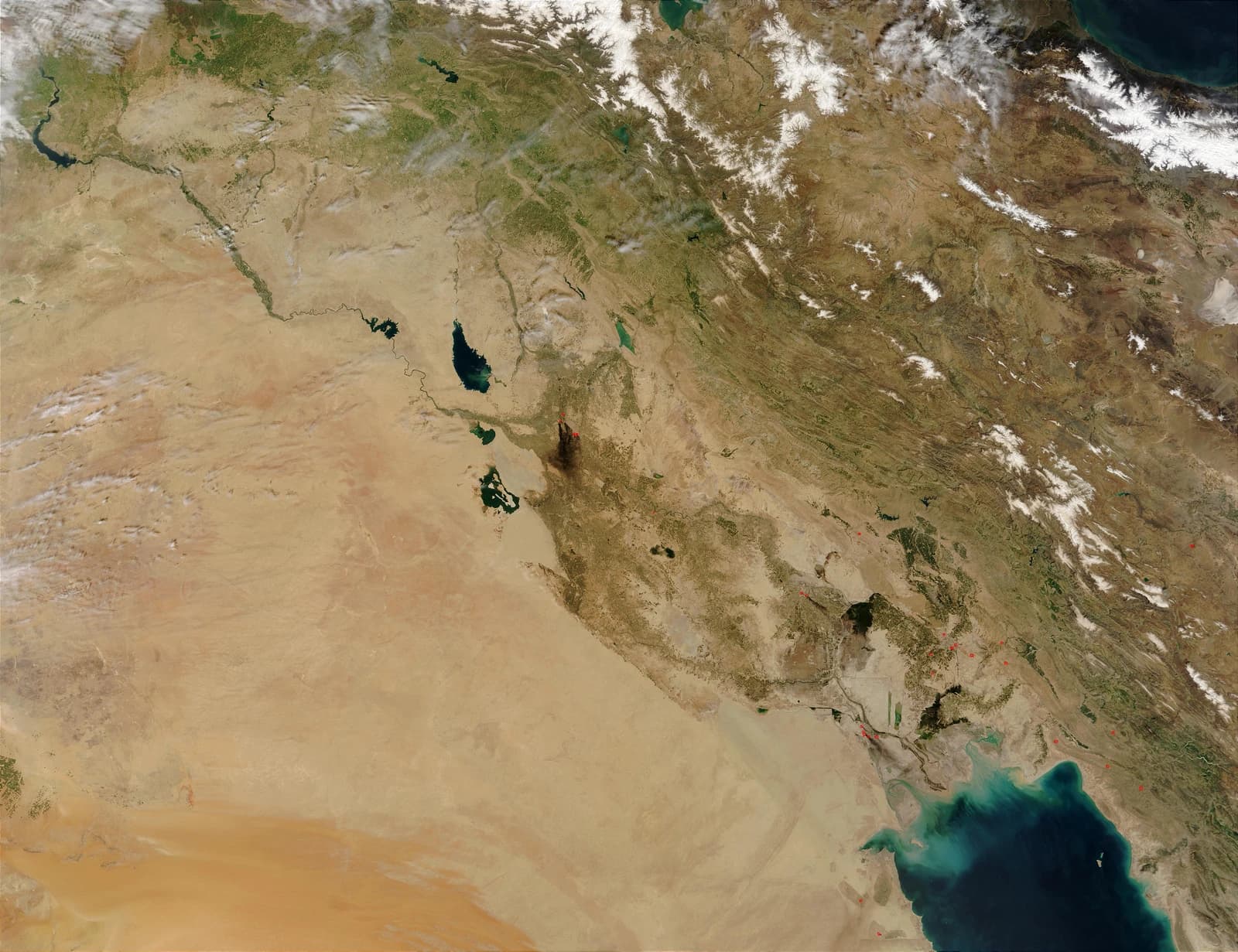
That matters because energy still feeds through nearly every part of the economy. When crude jumps, transportation, plastics, shipping and food costs tend to follow, squeezing households and forcing central banks to weigh slower growth against the risk of letting inflation reaccelerate. For investors, this is the kind of shock that can change leadership across markets in a hurry.
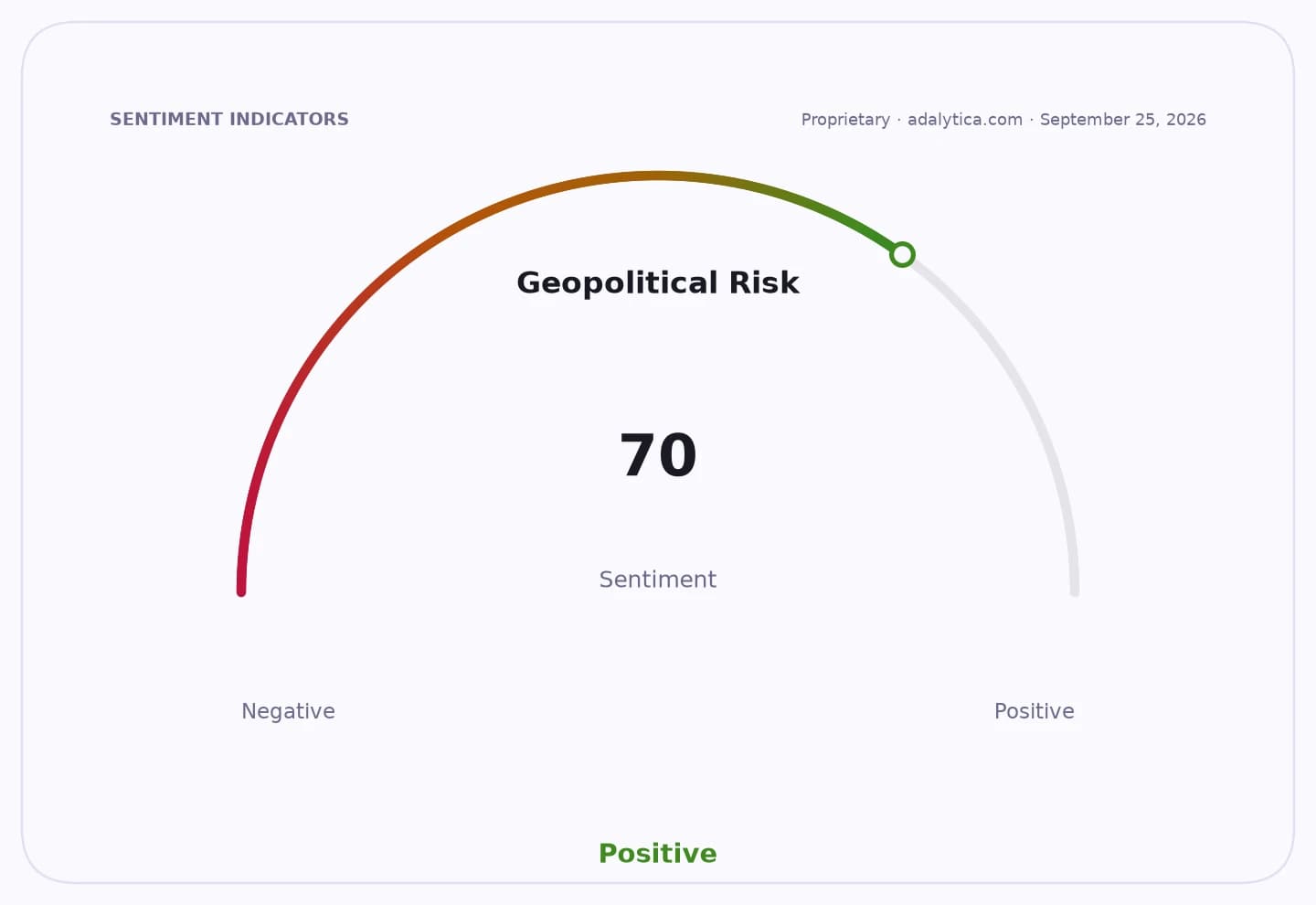
Sentiment IndicatorsⓘProprietary · adalytica.com · July 16, 2026
This is a snapshot — live sentiment, awareness and momentum for 130+ markets update continuously in the dashboard.Open AlphaPulse
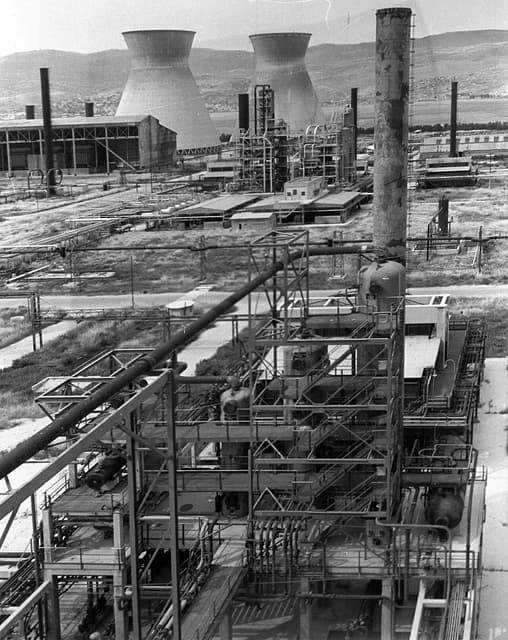
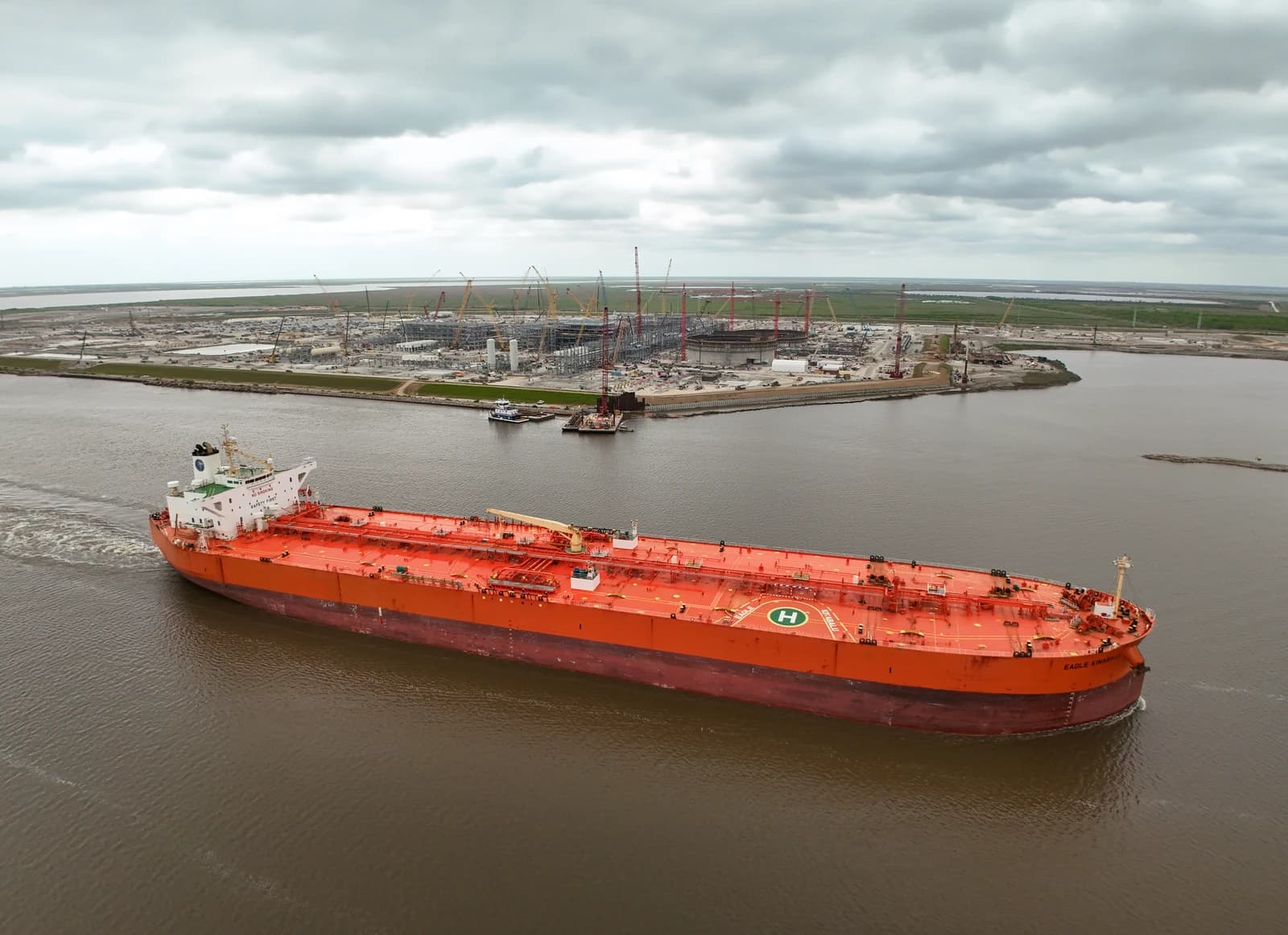
US benchmark West Texas Intermediate has rebounded from a July low near $72 to about $79.60, a move that follows a sharp run higher earlier in the year when oil briefly surged past $120. The latest increase is not just about the commodity itself. It is about what the commodity says: supply risk in a key producing region is back on the table, and that raises the floor for inflation expectations.
You can already see the pressure in other markets. The US 10-year Treasury yield is holding near 4.58%, while German government bond yields have climbed to a two-year high as the market rethinks how long central banks can stay comfortable with inflation. That is a headache for rate-sensitive assets and a reminder that the market may not get the clean disinflation story it wanted a few months ago.
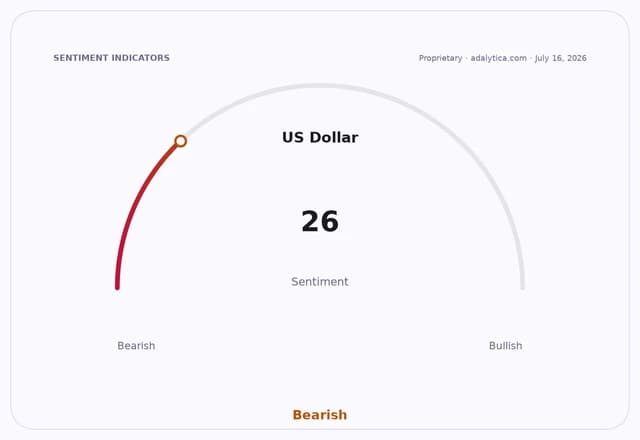
The equity market is telling a similar story. Energy shares, as measured by the XLE ETF, have outperformed on the back of firmer crude, while the broader market is more conflicted. Trade-signal data from Adalytica shows the S&P 500 in neutral territory even as awareness has slipped into fear, a sign investors are uneasy about the macro backdrop even if they are not yet fleeing risk altogether. The dollar has also weakened sharply over the past month, underscoring how quickly markets are reassessing the global policy mix.
For consumers, the uncomfortable part is simple: higher oil is the most direct route from the Middle East to the grocery store, the gas pump and the monthly budget. The Consumer Price Index has already climbed to 332.568 from 333.979 a month earlier in the latest readings, and a fresh energy shock would make it harder for inflation to settle back into a benign range. That is why this story matters beyond a trading screen. It touches wages, spending power, corporate margins and the timing of rate cuts.
There is also a market winner-loser divide forming. Integrated energy producers and refiners benefit from tighter crude markets and stronger product spreads, while airlines, logistics firms and consumers pay the bill. The current setup also favors companies with low-cost supply and diversified production, because they can keep generating free cash flow even if volatility persists.
Long term, this is a reminder that geopolitical risk is not just a headline risk. It is an earnings risk, a bond-market risk and a portfolio construction problem. Investors who want resilience should keep thinking in years, not days, and own a diversified mix of companies that can absorb inflation shocks rather than be crushed by them. This looks like a market to watch closely, not a market to chase blindly.
| Entity | Gains | Losses |
|---|---|---|
| Oil producers | ▲Higher realized prices | ▼ |
| Refiners | ▲Wider product margins | ▼ |
| Consumers | ▲ | ▼Higher fuel and goods costs |
| Bond investors | ▲ | ▼Yield losses from inflation fears |