Oil above $100 lifts Peru mortgage rates
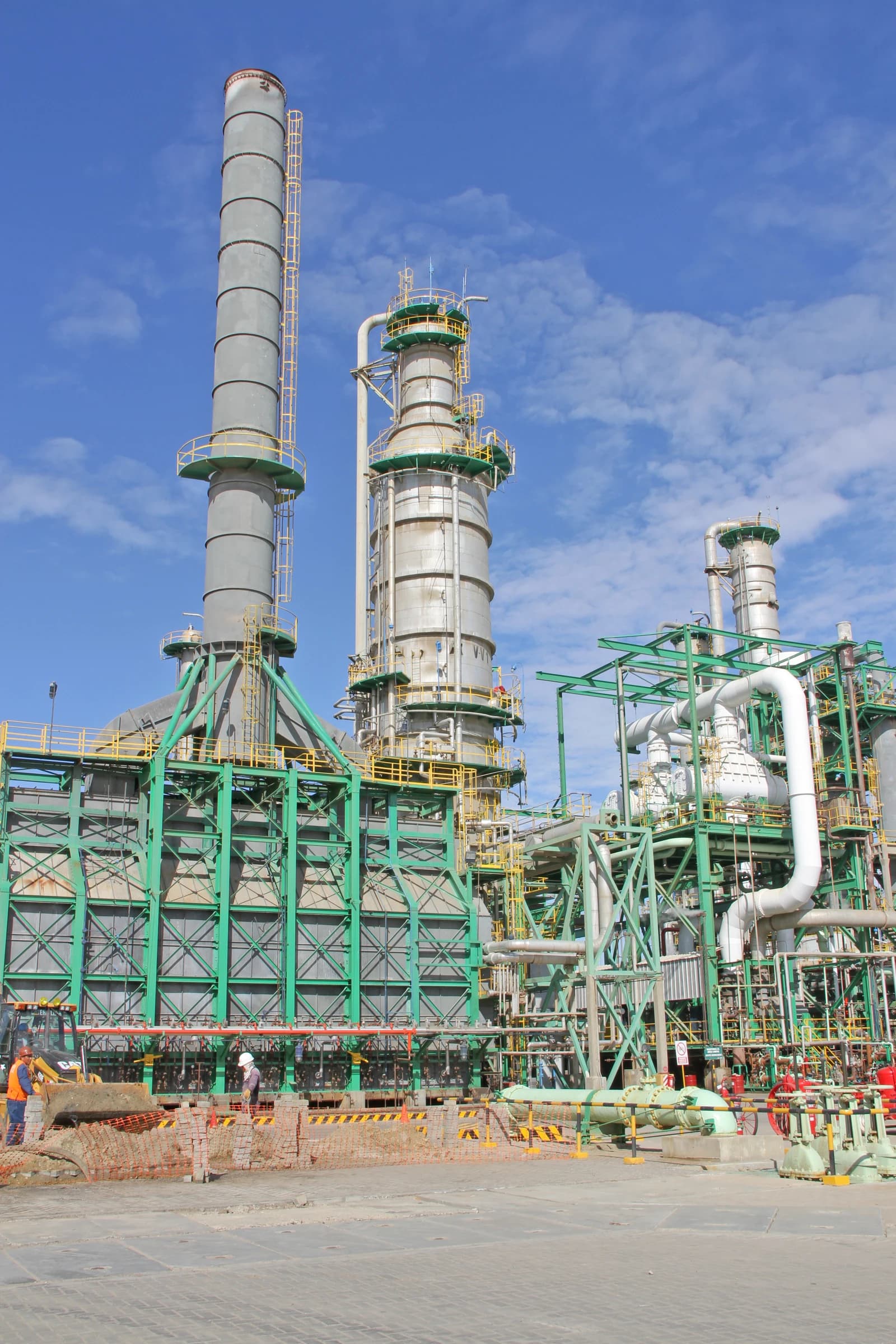
Oil’s jump back above $100 a barrel is starting to matter far beyond fuel bills: it is lifting government borrowing costs, keeping inflation sticky and setting up higher mortgage rates in Peru if the shock lasts. For households, that means housing credit could get more expensive even before banks fully pass through the pressure from higher sovereign yields.
The immediate problem is that crude is no longer behaving like a short-lived geopolitical spike. Brent rose 3.6% to $101.5 a barrel, up 22% in the past month and 53% on the year, as fighting in the Middle East widened to oil tankers, refineries and shipping routes. That keeps the inflation impulse alive in the US and across emerging markets, and it is already showing up in fixed-income markets.
US 10-year Treasury yields climbed to 4.95%, while Peru’s 10-year sovereign yield has risen to 6% this year from 5.47%. Higher yields mean bond prices fall, raising the cost of new debt issuance for governments and, eventually, for companies and consumers. In other words, oil is not just a commodities story; it is a financing story.
For Peru, the transmission channel is straightforward. If energy prices remain elevated, inflation stays firmer, and central banks have less room to cut rates. That matters because mortgage pricing is anchored to the sovereign curve and to expectations for policy rates. Jorge Espada of Valoro Capital said banks may initially absorb some of the pressure to protect customer relationships, but persistent inflation would force them to lift home-loan rates, which average about 7.73% in soles.
That is the key market mispricing. Investors tend to focus on the headline move in crude or the next Fed decision, but the real second-order effect is tighter credit conditions in countries where long-term rates are already drifting higher. In Peru, that threatens housing affordability and could slow mortgage origination, while in the broader market it supports the case for staying cautious on duration-sensitive assets.
The bond market is already flashing warning signs. The US curve has steepened as longer-dated yields rise on inflation and fiscal concerns, a setup that filters into emerging markets through higher sovereign funding costs. Adalytica’s trade signals also show extreme fear in the S&P 500 and extreme greed in US Treasuries, a sign that investors are crowding into safety even as energy shocks keep pressure on rates.
Our thesis is that the better trade is not chasing oil after the spike, but positioning for the spillover winners: lenders with pricing power, banks that can reprice loans faster than deposits, and infrastructure or energy names that benefit from a prolonged higher-for-longer inflation regime. For Peru, the near-term risk is clear: if Brent stays near $100, mortgage costs will likely drift higher, and housing demand could soften.
The next catalyst is whether the oil shock broadens from a supply scare into a sustained inflation pulse. If it does, investors should expect more pressure on sovereign bonds, fewer rate cuts, and a slower, more expensive mortgage market in Peru. The window to position before those costs fully hit borrowers is now.
| Entity | Gains | Losses |
|---|---|---|
| Oil producers | ▲Higher realized prices | ▼Energy consumers |
| Banks | ▲Wider loan spreads | ▼Mortgage borrowers |
| Peru government debt | ▲N/A | ▼Bondholders |
| Homebuyers in Peru | ▲N/A | ▼Rising mortgage rates |