Oil prices rise as Hormuz transit risk grows
Oil prices are surging again as traders reprice the risk to one of the world’s most important shipping lanes, after the U.S. energy secretary said 17 million barrels a day moved through the Strait of Hormuz on Monday, underscoring how much crude and fuel still depends on the narrow waterway.
The warning matters because even short-lived disruption in Hormuz can ripple through global energy markets, lifting crude benchmarks, widening shipping insurance costs and feeding into inflation expectations. The latest move in U.S. oil markets shows investors are once again treating Middle East security as a direct pricing driver rather than a distant geopolitical headline.
West Texas Intermediate futures rose to $90.76 a barrel on Sept. 2 from $85.76 on Aug. 31, while the U.S. Oil Fund climbed to $141.00 from $133.70 over the same period. The ETF is now trading far above its 50-day moving average of $121.91 and its 200-day moving average of $106.43, with RSI readings at 69.1, a sign the rally is extended but still supported by strong momentum.
The move is feeding straight through to energy equities. The Energy Select Sector SPDR Fund closed at $64.77, up from $63.96 the day before, and is well above both its 50-day and 200-day moving averages. That puts integrated producers and oilfield names in a better earnings position if crude holds near current levels, even as refiners, airlines and fuel-intensive industries face higher input costs.
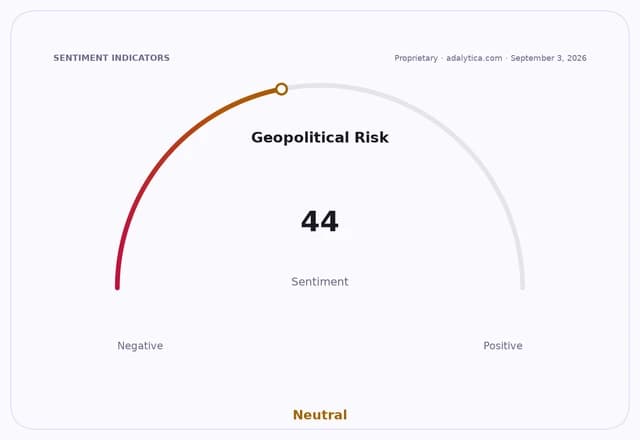
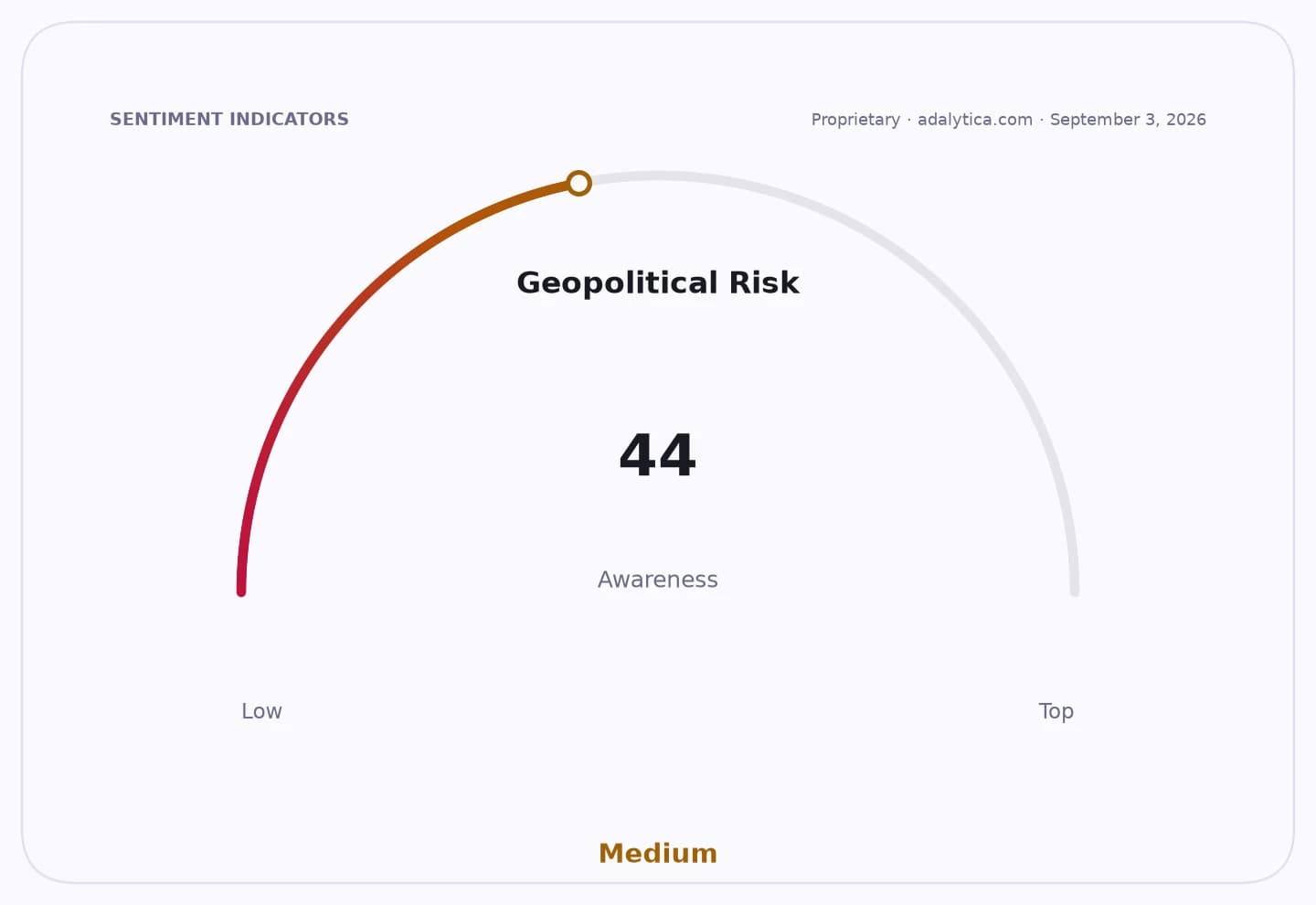
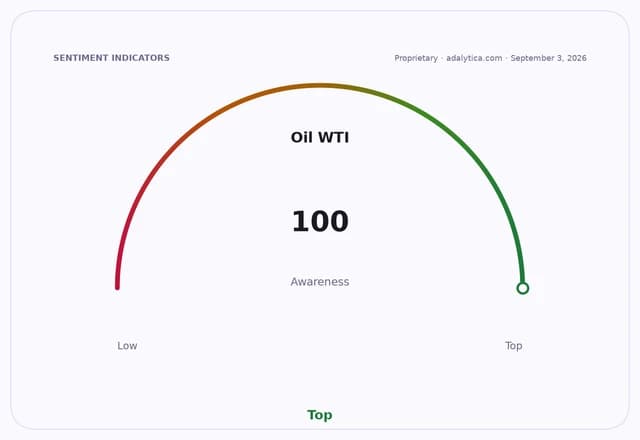
Adalytica’s Oil WTI Trade Signals snapshot shows extreme market awareness at 100, with sentiment at 62 and the indicator down 32% over seven days, suggesting the trade is crowded even if conviction remains high. The broader global stability gauge sits at 44, reinforcing that investors are still pricing geopolitical risk rather than a clean supply-demand backdrop.
The narrative now hinges on whether the Hormuz route stays open and whether the latest price spike draws a response from producers or policy makers. If transit fears deepen, crude could test its recent highs again; if tensions ease, the market may quickly unwind some of the risk premium that has pushed energy stocks and oil funds sharply higher.
| Entity | Gains | Losses |
|---|---|---|
| Oil producers | ▲Higher realized prices | ▼Demand destruction risk |
| Energy ETFs and shares | ▲Stronger momentum | ▼Overbought pullback risk |
| Refiners, airlines, consumers | ▲— | ▼Higher fuel costs |
| Importers and shippers | ▲— | ▼Insurance and freight costs |