Oil prices rise as Iran conflict lifts diesel costs
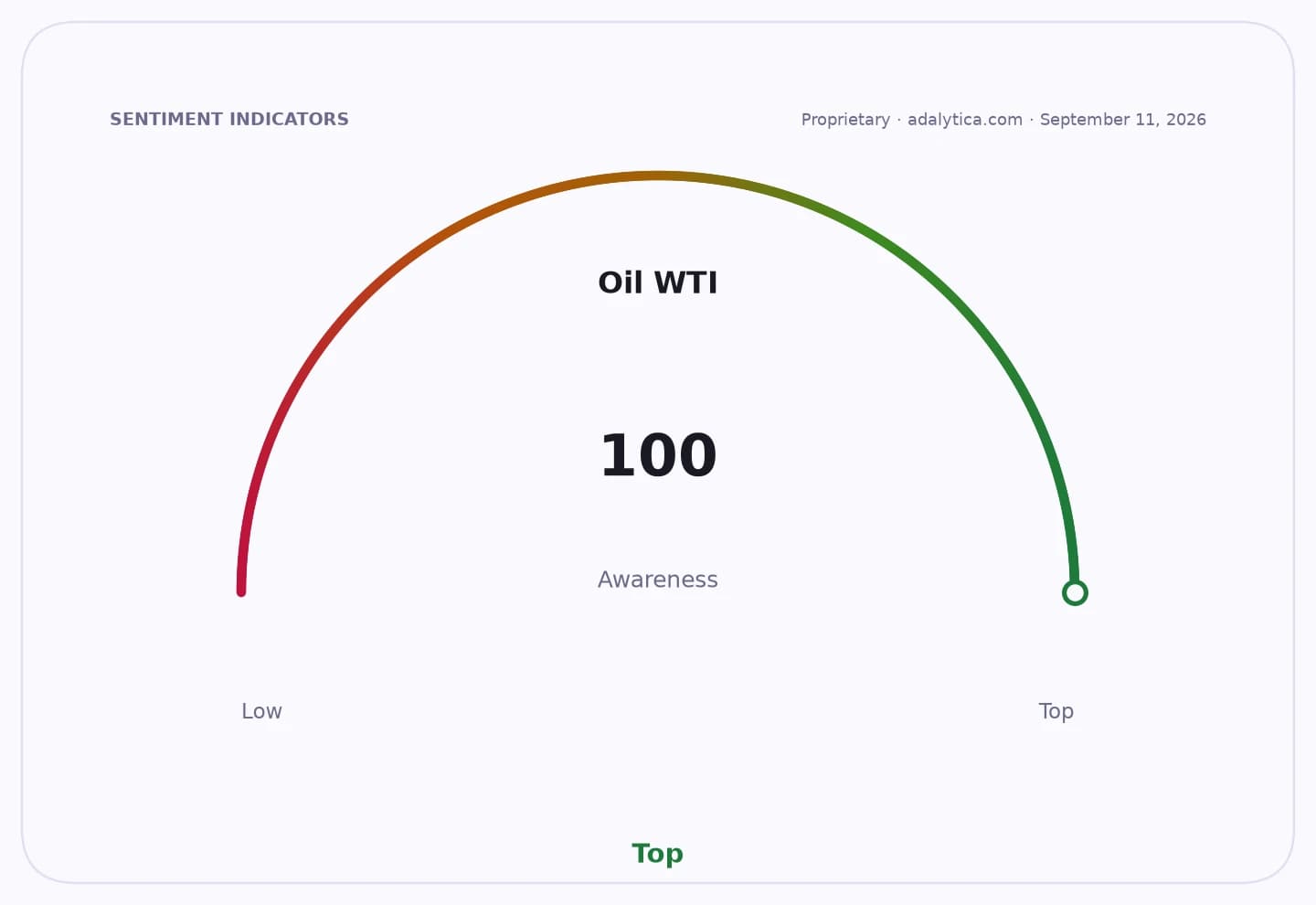
Diesel prices in the U.S. are finally crossing the line many drivers, truckers and farmers feared most, and that makes the inflation story much bigger than a single ugly week at the pump. With Brent crude closing above $101 a barrel for the first time since May and U.S. diesel already at a record $5.94 a gallon, the Iran conflict is now feeding directly into the cost of moving everything in the economy.
That is why the warning from GasBuddy’s Patrick De Haan that a $6 national average diesel price is “unavoidable” matters. Diesel is the fuel that powers freight, agriculture and much of the supply chain, so when it spikes, the pain spreads well beyond motorists. Brown University researchers estimate the war-related surge has already cost each U.S. household more than $770, a reminder that geopolitical shocks do not stay confined to the energy market for long.
The market is also saying the same thing. The United States Oil Fund has surged above its 50-day moving average and is trading far above its 200-day line, with momentum readings that point to an overbought market but not yet an exhausted one. Brent and U.S. crude futures have both pushed sharply higher, reflecting the premium investors are placing on supply risk as tanker strikes and military escalations keep the region on edge.
For investors, the immediate winners are energy producers and, for now, oil-linked funds. Chevron, Exxon Mobil and other integrated producers tend to benefit when crude holds above $100 because higher upstream realizations can more than offset weakness elsewhere. Refiners and transport-heavy businesses face the opposite pressure: airlines, trucking companies, railroads and package carriers see fuel bills climb, even if some, like FedEx, can pass along part of the pain through surcharges.
The bigger story is that energy is once again acting like a tax on everyone else. If gasoline and diesel stay elevated, inflation readings will be harder to tame, household spending power will weaken and policymakers will have less room to maneuver. That is exactly why oil shocks often ripple into politics, and why affordability is becoming such a central theme ahead of the midterm elections.
Long term, investors should remember that these kinds of spikes rarely resolve neatly. Oil can fall as fast as it rises, but geopolitical risk has a way of keeping a floor under prices until supply or diplomacy changes the picture. For patient investors, that means keeping energy exposure in perspective, favoring diversified portfolios and avoiding the temptation to chase the trade after a sharp move. The headline risk is real, the economic cost is real, and the best response is usually discipline.
| Entity | Gains | Losses |
|---|---|---|
| Oil producers | ▲Higher realized prices | ▼None in the near term |
| Energy funds | ▲Price momentum | ▼Valuation risk |
| Truckers and farmers | ▲Limited pass-through power | ▼Fuel costs |
| Consumers and retailers | ▲None | ▼Higher inflation pressure |