Oil prices rise after Saudi facility attacks
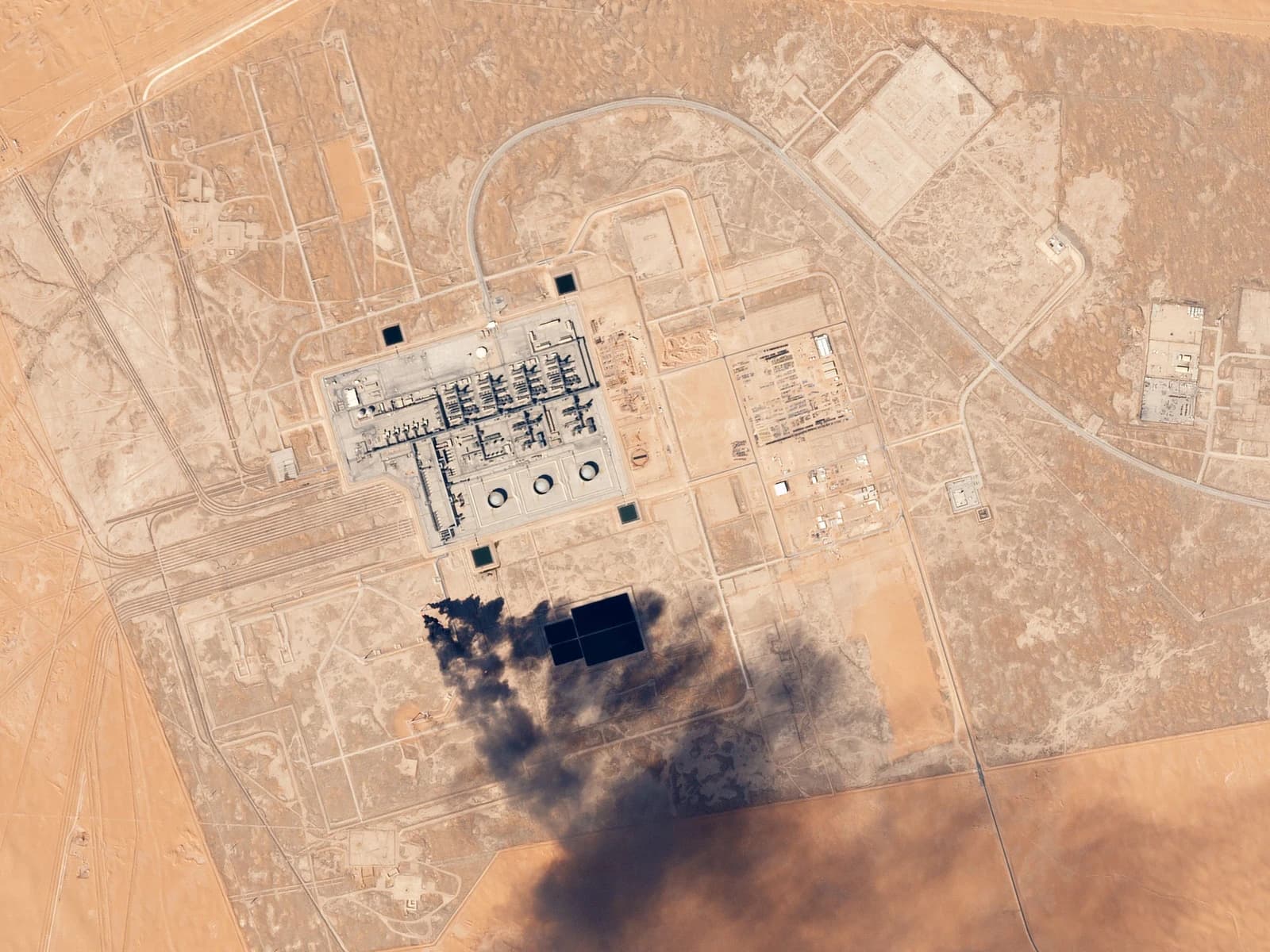
Oil prices rose and Saudi energy facilities were hit again after Yemen’s Houthis said they launched ballistic missiles and drones at Aramco sites and military targets in the kingdom’s south, underscoring how the conflict is spreading across the region’s key energy corridors.
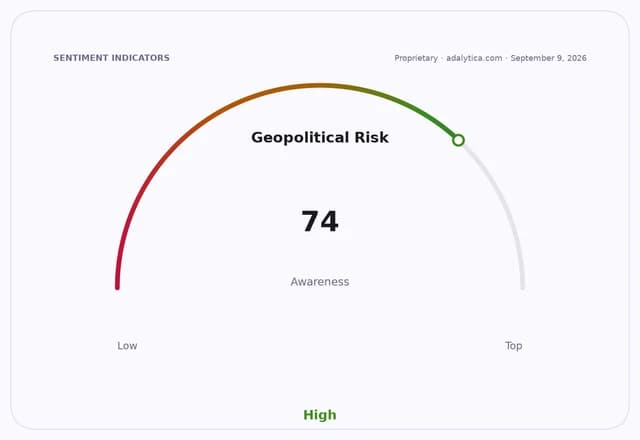
The latest strikes matter because they raise the risk of repeated disruptions to Saudi crude output and to infrastructure used to move oil and fuel out of the Gulf. With attacks also reported near Iran’s Kharg Island oil export hub and tensions flaring around the Strait of Hormuz, traders are confronting a broader supply-risk premium rather than a one-off security incident.
Saudi Arabia’s Energy Ministry said several facilities in the southern region were targeted, sparking fires and forcing a temporary halt in some operations while damage assessments continue. The Houthis said they hit Aramco facilities in Abha, Najran and Jizan, along with the Economic City and Khamis Mushait air base, claiming “dozens” of ballistic missiles and drones were used.
Saudi-led forces have also resumed airstrikes in Yemen, with Houthi officials accusing Riyadh of bombing a prison in al-Jawf and killing at least seven people. The back-and-forth points to a widening regional confrontation that now overlaps with the Iran conflict and the security of Gulf shipping lanes.
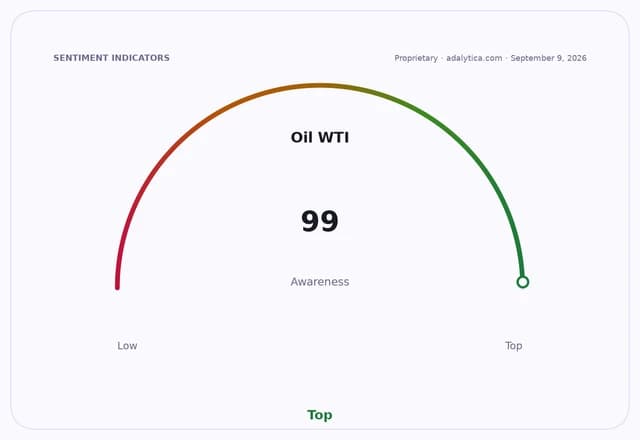
Benchmark crude extended gains, with WTI last up 3.8% on the session to $96.86 a barrel. The contract is trading well above its 50-day and 200-day moving averages, while RSI readings have moved into overbought territory, reflecting a market that is already pricing in elevated geopolitical risk.
Energy stocks also benefited, with the Energy Select Sector SPDR Fund rising to $65.31. Adalytica’s oil trade signals show extreme fear even as awareness remains at extreme greed, a combination that suggests investors are still chasing the sector while bracing for more headline-driven volatility.
For investors, the immediate focus is whether the attacks remain confined to southern Saudi Arabia or spill further into export infrastructure, tanker routes and regional bases. Any confirmed damage to production, loading terminals or shipping lanes would likely keep crude supported and add pressure to airlines, refiners and other fuel-sensitive sectors.
| Entity | Gains | Losses |
|---|---|---|
| Oil producers | ▲Higher crude prices | ▼Output disruption risk |
| Energy stocks | ▲Defensive inflows | ▼Margin pressure if volatility spikes |
| Consumers/importers | ▲None | ▼Higher fuel costs |
| Saudi Arabia / Aramco | ▲None | ▼Facility damage and security costs |