Oil Prices Rise on U.S.-Iran Fighting
Oil prices climbed about 1% on Wednesday, with Brent settling at $95.63 a barrel and briefly touching the highest level since late July as renewed U.S.-Iran fighting stoked fears of supply disruption across a market already thin on spare capacity.
That matters because the rally is being driven less by routine inventory noise and more by geopolitics at the chokepoint of the global energy system. When tensions in the Middle East escalate, traders immediately price in the risk that barrels moving through the region — especially around the Strait of Hormuz — could be delayed, diverted or removed altogether. That pushes up the cost of everything from gasoline and diesel to freight, chemicals and aviation fuel, and it raises the odds that energy inflation bleeds back into the broader economy.
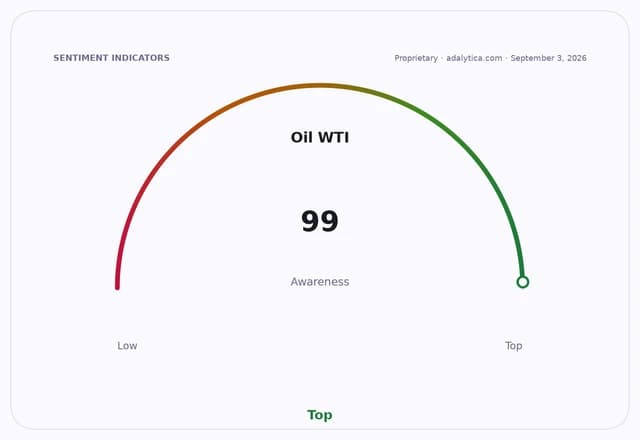
West Texas Intermediate settled at $91.01 a barrel, up 0.9%, after swinging between gains of $2 and losses of $1 during the session. Brent’s settlement above $95 underscores how quickly the market is rebuilding a war premium. The move also came after both benchmarks hit their highest intraday levels since July 24, a sign that sellers are reluctant to fade the rally while the conflict remains active.
For investors, the message is straightforward: oil is no longer just a macro hedge, it is an earnings catalyst. Producers with direct exposure to higher realized prices, tanker operators, energy service names and select integrated majors stand to benefit if the shock persists. By contrast, airlines, refiners with squeezed feedstock economics and consumer sectors dependent on cheap transport fuel face margin pressure. The market is also likely to keep rewarding companies with low-cost barrels and strong balance sheets, because in a geopolitically driven squeeze, quality supply becomes more valuable than volume alone.
The bigger narrative is that the oil market is rediscovering its vulnerability. Inventories matter, but they do not override missile exchanges, shipping risk and the possibility of tighter physical flows from one of the world’s most strategically important energy corridors. That makes the next leg in crude less about demand and more about whether the conflict escalates enough to threaten actual barrels.
For investors, the asymmetry still favors positioning for sustained volatility and higher prices. The trade is not simply to chase oil higher, but to own the parts of the energy complex that benefit most from a prolonged supply-risk premium while avoiding the sectors most exposed to fuel-cost inflation.
| Entity | Gains | Losses |
|---|---|---|
| Oil producers | ▲Higher realized prices | ▼Demand destruction risk |
| Tanker/shipping firms | ▲Freight premiums | ▼Route disruption risk |
| Airlines | ▲— | ▼Higher jet-fuel costs |
| Consumers/importers | ▲— | ▼Fuel and transport inflation |