Oil and wheat drive inflation higher again

Fuel and wheat are driving inflation sharply higher again, and that matters because it keeps the cost shock alive for households, forces policymakers to stay tighter for longer and raises the odds that consumer demand, margins and currencies all come under fresh strain.
The latest reading of 11.2% shows inflation is not simply fading in a straight line; it is being re-accelerated by the parts of the economy that hit wallets fastest — transport, food and imported staples. That is the most economically important detail in the data. When fuel rises, freight, logistics and production costs follow. When wheat moves higher, it filters quickly into bread, noodles, animal feed and packaged food. The result is broad-based pressure that is harder for central banks to ignore than one-off price swings in electronics or services.
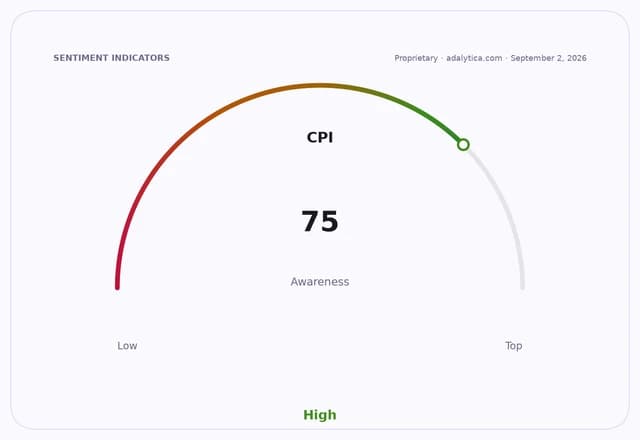
The market is already treating this as a macro risk, not a temporary headline. Brent-linked energy volatility and the jump in commodity inflation have kept inflation expectations sticky, while government bond yields have pushed higher as traders price in more persistent policy restraint. The 10-year U.S. Treasury yield near 4.8% underscores that investors are still demanding compensation for inflation risk, not betting on a quick return to easy money.
That is where the investable story gets interesting. The market often prices inflation as a tax on everything, but the winners and losers are highly uneven. Fuel-heavy cost structures, food retailers and consumer discretionary names face margin compression. Import-dependent economies and currencies also look vulnerable when commodity prices move against them. By contrast, producers of energy, crop inputs, fertilizers, logistics infrastructure and commodity-linked assets gain leverage from exactly this kind of shock.
That is why the move in oil matters well beyond the pump. U.S. crude has surged, and the oil ETF USO has ripped higher alongside it, while wheat exposure through WEAT has broken out to fresh highs. Both funds are trading far above their 50-day moving averages, and their relative strength readings are stretched — a sign momentum is powerful, but also a sign that the inflation trade is back in force. DBA, the broad agriculture ETF, is also firming, reinforcing the idea that this is not a single-commodity story but a wider food-and-energy regime shift.
For investors, the key is to think in second-order effects. Inflation spikes are not just bad for consumers; they redirect capital. They favor real assets, commodity producers, pipeline and storage assets, farm equipment, fertilizer, shipping and defensive businesses with pricing power. They punish rate-sensitive growth stocks if bond yields keep climbing. They also make central banks less flexible, which can keep financial conditions tight even if headline inflation later cools.
The bigger narrative is that the market underestimates how quickly food and fuel shocks can reprice the entire macro backdrop. If this inflation pulse persists, the next leg of the trade is likely to be in the assets that sit closest to the shortage — energy, agriculture and infrastructure — not the sectors that merely absorb the cost. For now, the takeaway is simple: own the scarcity, not the squeeze.
| Entity | Gains | Losses |
|---|---|---|
| Oil producers | ▲Higher realized prices | ▼Fuel-intensive consumers |
| Wheat and agriculture ETFs | ▲Momentum and inflows | ▼Food manufacturers |
| Central banks | ▲Policy urgency | ▼Rate-cut flexibility |
| Importers and households | ▲— | ▼Higher living costs |