Oil, yields, and futures fall after Iran strikes

U.S. equity futures are set to open under pressure after American strikes on Iranian targets jolted oil markets and revived fears of a broader disruption to global energy flows, even as several chip names continue to show constructive technical setups.
The immediate economic issue is not the airstrikes themselves but the risk premium they inject into crude, inflation expectations and bond yields. Brent and U.S. crude have already moved higher on worries that fighting could threaten traffic through the Strait of Hormuz, a chokepoint for a large share of seaborne oil. That matters because a sustained energy spike would filter quickly into transportation, input costs and consumer prices just as investors were turning their attention to key inflation reports and the Federal Reserve’s next moves.
The 10-year Treasury yield was indicated at 4.802% and the 2-year at 4.375%, levels that leave little room for a renewed inflation shock. If oil prices stay elevated, markets may have to price in a longer period of restrictive policy, a combination that usually weighs on growth stocks and broad equity multiples. The dollar has also strengthened in the latest trade-signal readout, a pattern that often accompanies geopolitical stress and tighter financial conditions.
Dow futures were last trading near 53,440 after a solid recovery back above the 50-day moving average, while the Nasdaq 100 futures at 29,565 remain above their 200-day average but still well below recent highs. The S&P 500 closed at 770.19, holding above both its 50-day and 200-day moving averages. That technical resilience suggests the market has not yet broken its intermediate uptrend, but the reaction to Middle East headlines will determine whether investors treat the conflict as a short-lived shock or the start of a more persistent inflation and risk-off phase.
The rotation risk is clear. Energy, defense and the dollar tend to benefit when geopolitical tensions escalate, while airlines, transport, consumer discretionary names and other oil-sensitive sectors usually take the hit. Higher crude can also complicate the recent bull case for artificial intelligence and semiconductors by lifting discount rates and squeezing margins across the broader economy.
Still, some of the market’s most closely watched growth names are showing strength. Nvidia, Micron and Sandisk have all flashed buy signals in recent trading, underscoring that investors continue to favor the semiconductor cycle even as macro risks rise. For Micron and Sandisk, supply discipline and improving memory pricing remain key supports. Nvidia’s case is different: its earnings power is tied to AI infrastructure spending, which has so far outweighed concerns about geopolitics or valuations. The bear argument is that any sustained jump in yields or energy costs could eventually pressure that leadership trade.
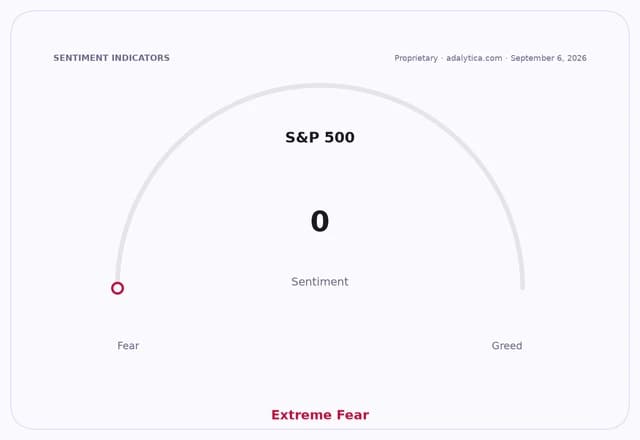
Adalytica’s S&P 500 trade signal shows “Extreme Fear,” a reminder that positioning is already fragile and headline sensitivity is high. That can amplify both downside on escalation and upside if the conflict de-escalates quickly. For investors, the near-term watch list is straightforward: oil, Treasury yields, the dollar, and whether the major indexes can keep holding above their moving averages while the inflation data and geopolitical news hit at the same time.
The market’s next move will depend less on the initial strike headlines than on whether Iran follows through on its threats and whether energy shipments are actually disrupted. If the confrontation stays contained, buyers may continue to lean into semiconductors and other growth leaders. If the Strait of Hormuz becomes a real supply risk, the trade shifts toward inflation hedges, defensive sectors and away from the market’s most rate-sensitive names.
| Entity | Gains | Losses |
|---|---|---|
| Oil producers | ▲Higher crude prices | ▼Demand shock risk |
| Energy stocks | ▲Improved earnings backdrop | ▼Volatility if conflict fades |
| Growth stocks | ▲Leadership if yields calm | ▼Hit by higher rates |
| Airlines/importers | ▲Lower fuel costs if de-escalation | ▼Margin pressure from oil spike |