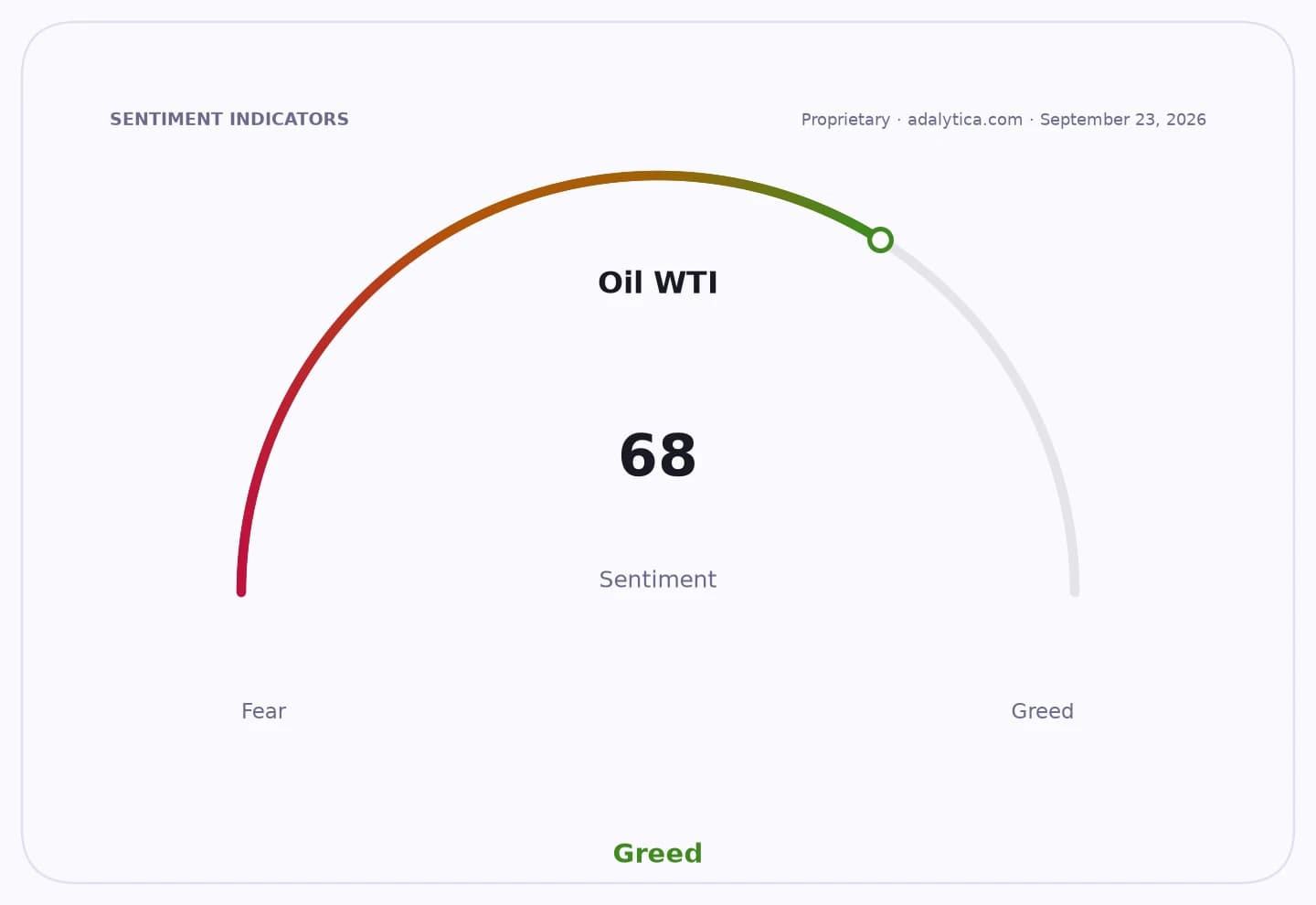
ONGC’s gas discovery in the deep waters of the Mahanadi Basin is a strategic win for India’s energy security and a potential long-term catalyst for upstream spending, domestic gas output and investor sentiment toward the state-run producer.
ONGC Mahanadi Basin gas discovery boosts outlook
The find matters because India remains one of the world’s largest and fastest-growing energy importers, and every incremental domestic gas discovery helps cut exposure to volatile LNG prices, shipping bottlenecks and geopolitical supply shocks. That backdrop is especially important as Europe’s gas market remains fragile and global exploration has produced fewer major discoveries in recent decades, underscoring how hard it is to replace declining reserves.
For ONGC, the discovery strengthens the case that India’s offshore basins still hold meaningful untapped resources at a time when the market underestimates the value of domestic hydrocarbons. The company has spent years trying to slow output declines from mature fields, and a successful deep-water strike gives it a fresher narrative than simply managing legacy production. If the basin proves commercial, it could unlock a broader development cycle involving subsea infrastructure, rigs, contractors and service firms tied to offshore drilling.
The stock has already responded to the story. ONGC shares closed at 235.86 rupees on Sept. 25, roughly in line with its 50-day moving average near 237.5 rupees but still below the 200-day average of about 254.8 rupees, showing the market has not fully priced in a sustained upstream rerating. The recent price action has improved from earlier weakness, but the long-term technical trend still suggests investors are waiting for proof that exploration success can translate into production growth and cash flow.
That is the key investment question: whether this is an isolated headline or the start of a more durable offshore upcycle. If ONGC can convert the Mahanadi find into reserve bookings and field development, the upside extends beyond one company. It supports India’s broader push to reduce import dependence, improves the economics for domestic gas distribution and could keep capital flowing into offshore drilling, pipeline buildout and energy infrastructure.
The market is still treating gas discovery news as a one-day event. I think that is the wrong frame. In a world of tighter energy security, underinvestment in new reserves and rising demand for cleaner-burning fuels, every successful offshore strike in India becomes more valuable. For investors, ONGC remains one of the clearest ways to play that theme — not for a quick trade, but for a multi-year re-rating if the company can turn geology into production.
| Entity | Gains | Losses |
|---|---|---|
| ONGC | ▲Reserve upside | ▼Exploration risk |
| India | ▲Lower import dependence | ▼LNG vulnerability |
| Offshore service firms | ▲More drilling contracts | ▼Idle rig capacity |
| LNG importers | ▲Supply diversification trade-off | ▼Demand for imported gas |