OPEC cuts 2026 oil demand growth forecast
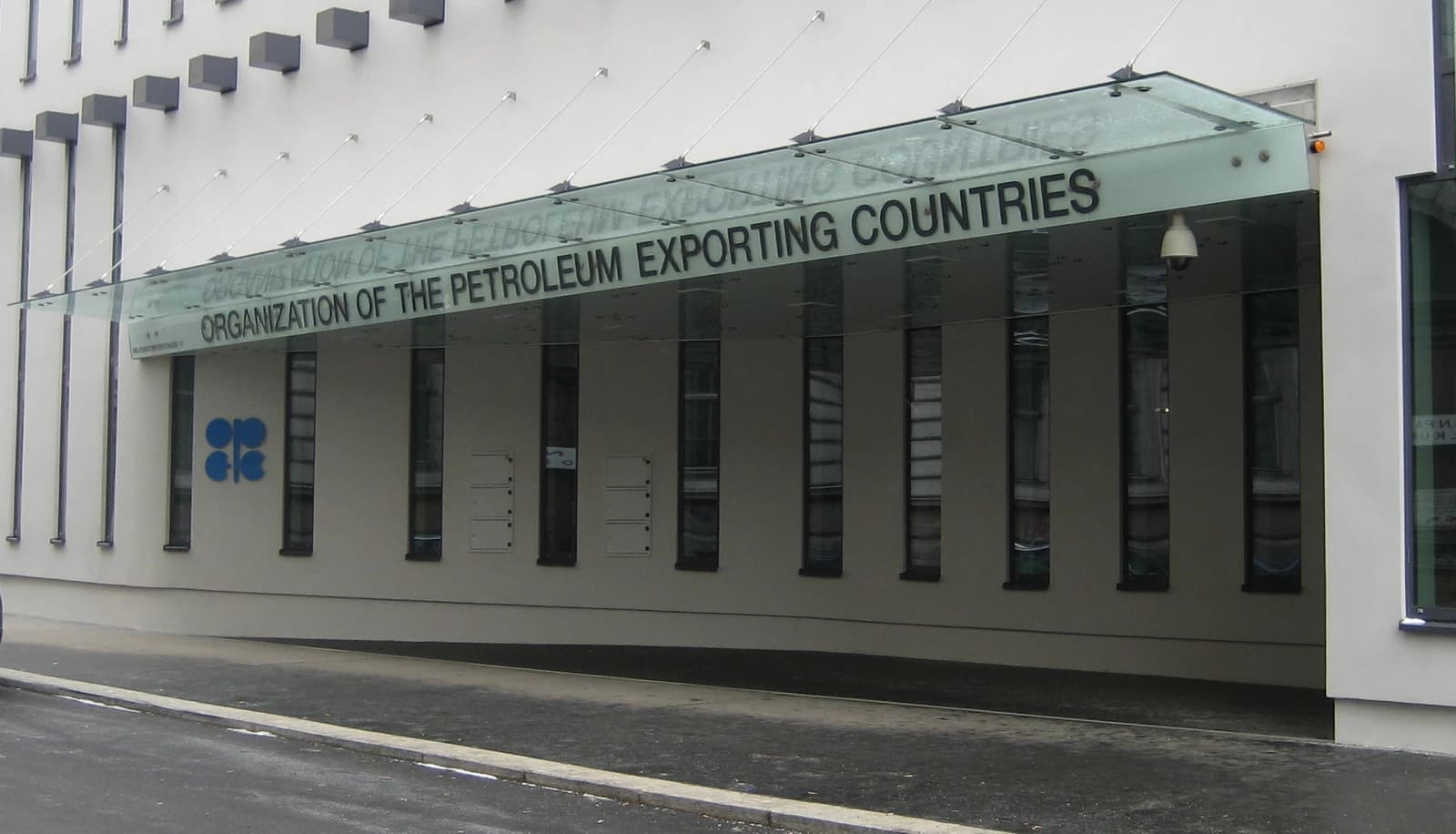
OPEC’s cut to its 2026 oil demand growth forecast is the clearest sign yet that the cartel sees a softer global economy, tighter trade conditions and geopolitical friction weighing on energy consumption next year.
The producer group now expects world oil demand to rise by just 400,000 barrels a day in 2026, down sharply from the 600,000 barrels a day increase it projected only a month earlier. That is a meaningful downgrade for a market that had been leaning on still-resilient demand to justify higher prices and continued capital spending across the oil complex.

Economically, the revision points to a world in which inflation, tariff uncertainty and slower activity are already eroding fuel demand before any deeper downturn arrives. OPEC said it pared back the outlook after reassessing growth trends and current challenges, including “hot spots” of geopolitical tension and the unpredictability surrounding U.S. trade policy. For energy markets, that combination matters because demand expectations are often the foundation for pricing, refinery margins and upstream investment plans.
Investors should read this as a warning that the oil trade is becoming more sensitive to macro data and policy headlines than to tightness in supply alone. West Texas Intermediate was trading around $97.34 a barrel in the context provided, while the USO crude ETF had surged to $154.90 on Sept. 11 and carries an RSI reading above 70, a classic sign of an overbought market in conventional technical analysis. That leaves room for volatility if growth disappoints or if traders begin to price in a less supportive demand backdrop.

The timing is especially important because oil equities have already rallied hard. The Energy Select Sector SPDR Fund was trading near $65.14, while the VanEck Oil Services ETF was around $420.67 after a powerful run. The message from OPEC’s update is not that the oil bull market is over, but that the next leg higher may depend more on supply discipline and geopolitical disruptions than on broad-based demand acceleration.
That is where the real narrative shifts. OPEC is sounding more cautious on 2026, but it is still more constructive on 2027, when it raised its demand growth estimate to 2.4 million barrels a day from 2.2 million. In other words, the cartel is not calling for a secular collapse in oil use; it is flagging a timing problem. Demand may arrive later and more unevenly than bulls expected, but the longer-term case for energy consumption remains intact.
For investors, that split argues for selectivity rather than blind exposure. Integrated producers and low-cost operators can still generate strong cash flow if prices stay elevated, but the most aggressive upside may now sit with the toll-road businesses of the energy market — oilfield services, infrastructure and companies tied to supply constraints rather than demand optimism. If growth slows but prices stay firm because supply is managed tightly, the winners will be those able to earn through volatility instead of needing uninterrupted consumption growth.
The practical takeaway is simple: OPEC’s 2026 downgrade raises the bar for crude to keep rallying on demand alone. That makes the sector more dependent on geopolitics, OPEC+ discipline and capital discipline across producers — and that is exactly why investors should favor the picks-and-shovels names and high-quality cash generators before consensus catches up.
| Entity | Gains | Losses |
|---|---|---|
| OPEC+ producers | ▲Supports price discipline | ▼Faces weaker demand outlook |
| Oil consumers | ▲Benefit from softer demand pressure | ▼Risk higher prices if supply tightens |
| Oilfield services | ▲Benefit from capex resilience | ▼Lose if upstream spending slows |
| Crude bulls | ▲Get 2027 demand support | ▼Face 2026 growth downgrade |