OPEC Gulf Output Rises as Iran Production Falls
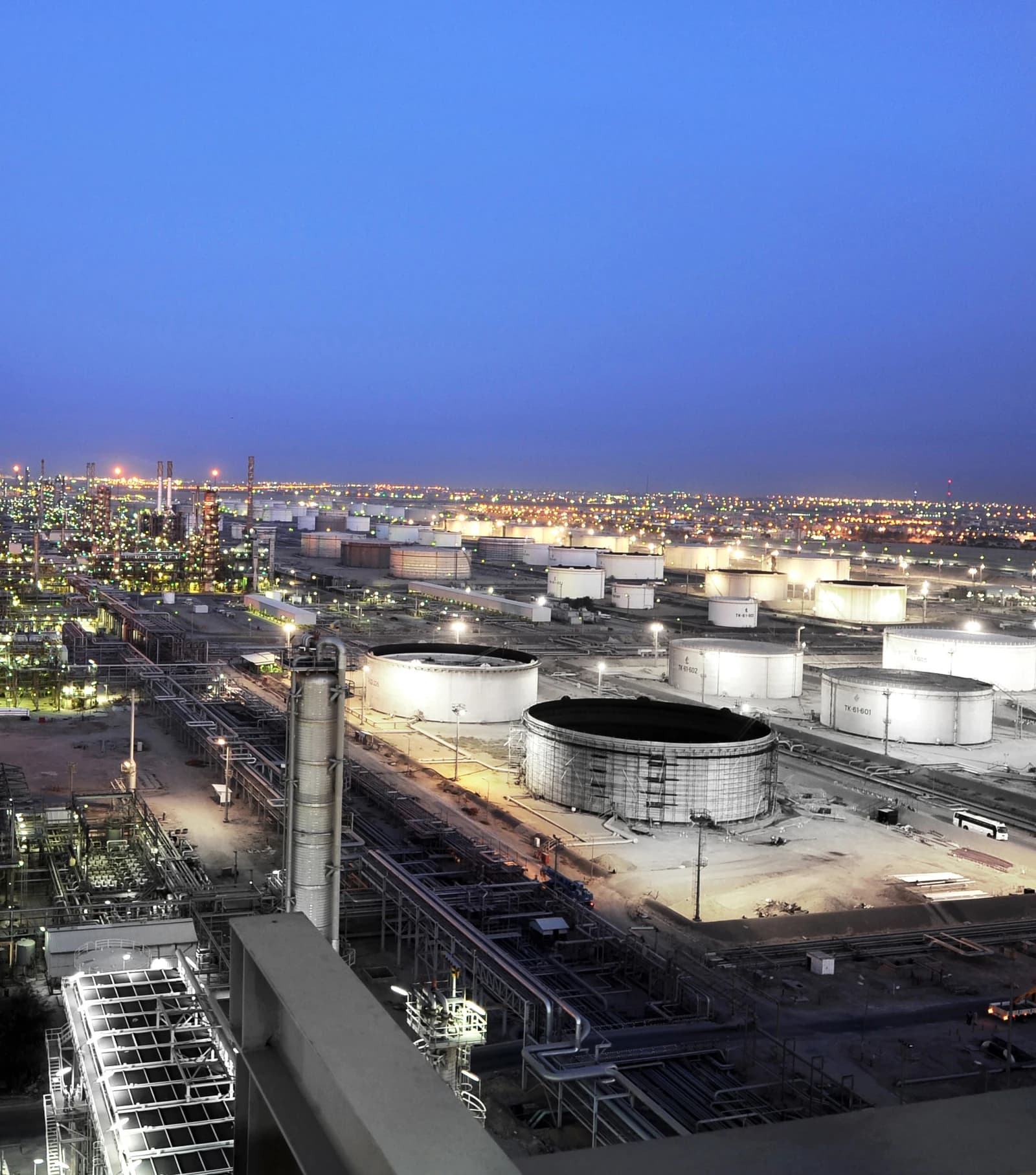
Oil production in the Gulf rose in August even as Iranian output slumped sharply, underscoring how other OPEC members are stepping in to keep barrels flowing despite war-linked disruptions and tighter shipping risks around the Strait of Hormuz.
The cartel said production by Gulf OPEC members increased 1.6% from July, driven mainly by a 24.4% jump in Iraqi output and a 2.7% rise in Kuwait, while Saudi Arabia’s production slipped 1%. Iran’s crude production fell 16% after two months of stability, but the regional decline was more than offset by higher pumping elsewhere.
The shift matters because it shows the supply shock from the conflict involving Iran has not simply translated into a clean loss of OPEC barrels. Instead, internal reallocation within the group is cushioning the market, even as total OPEC crude output remains well below earlier in the year. OPEC said the 12-member producer bloc pumped 24 million barrels a day in August, up 1.46% from July but still 15% below January levels, before the war disrupted flows and heightened concerns over the vital Hormuz chokepoint.
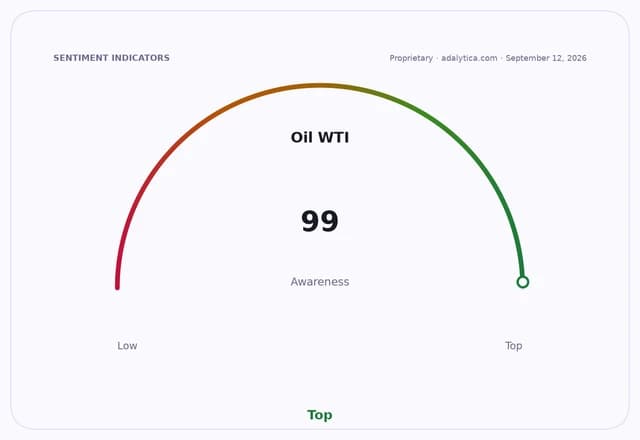
For oil markets, that combination is important: supply is still constrained versus pre-conflict levels, but the pace of decline is no longer as severe as feared. Brent and WTI have already reflected the tension, with front-month futures recently trading near $100 a barrel and staying elevated on geopolitical risk premiums. At the same time, OPEC+ chose to keep output unchanged in October after months of gradual increases, suggesting the alliance is still trying to balance market support with the need to avoid overstretching spare capacity.
Iraq’s rebound is the clearest sign of the tension inside OPEC. Baghdad, which had previously borne the brunt of output losses tied to the Iran war, is now the group’s second-largest producer after Saudi Arabia, excluding the UAE, and is pushing for a bigger quota in the next supply agreement due from January 2027. That creates a political problem for the alliance: official quotas are increasingly diverging from real production, raising the risk of a harder fight over compliance and a less cohesive group.
The economic stakes extend beyond OPEC itself. Higher Gulf production helps moderate price spikes that would otherwise feed through into inflation, transport costs and central bank policy. But the market remains vulnerable to further disruption in Hormuz and the Red Sea, as well as Ukrainian strikes on Russian energy infrastructure. That keeps upside risk in crude prices intact, particularly if spare capacity proves thinner than advertised.
Investors are left with a more nuanced signal than a simple supply glut or shortage. The world’s biggest producer bloc is showing it can recover some barrels quickly outside Iran, but not enough to return to January’s supply base. That supports crude prices even as it limits the scale of any immediate supply shock — a backdrop that favors energy producers over refiners and consumers if geopolitical tensions persist.
| Entity | Gains | Losses |
|---|---|---|
| Iraq | ▲Higher output, stronger leverage | ▼More quota disputes |
| OPEC producers | ▲Offset Iran losses | ▼Harder quota negotiations |
| Oil investors | ▲Geopolitical price support | ▼Policy-driven volatility |
| Consumers/importers | ▲Some supply relief | ▼Still-high fuel costs |