OPEC Says It Seeks Oil Market Stability
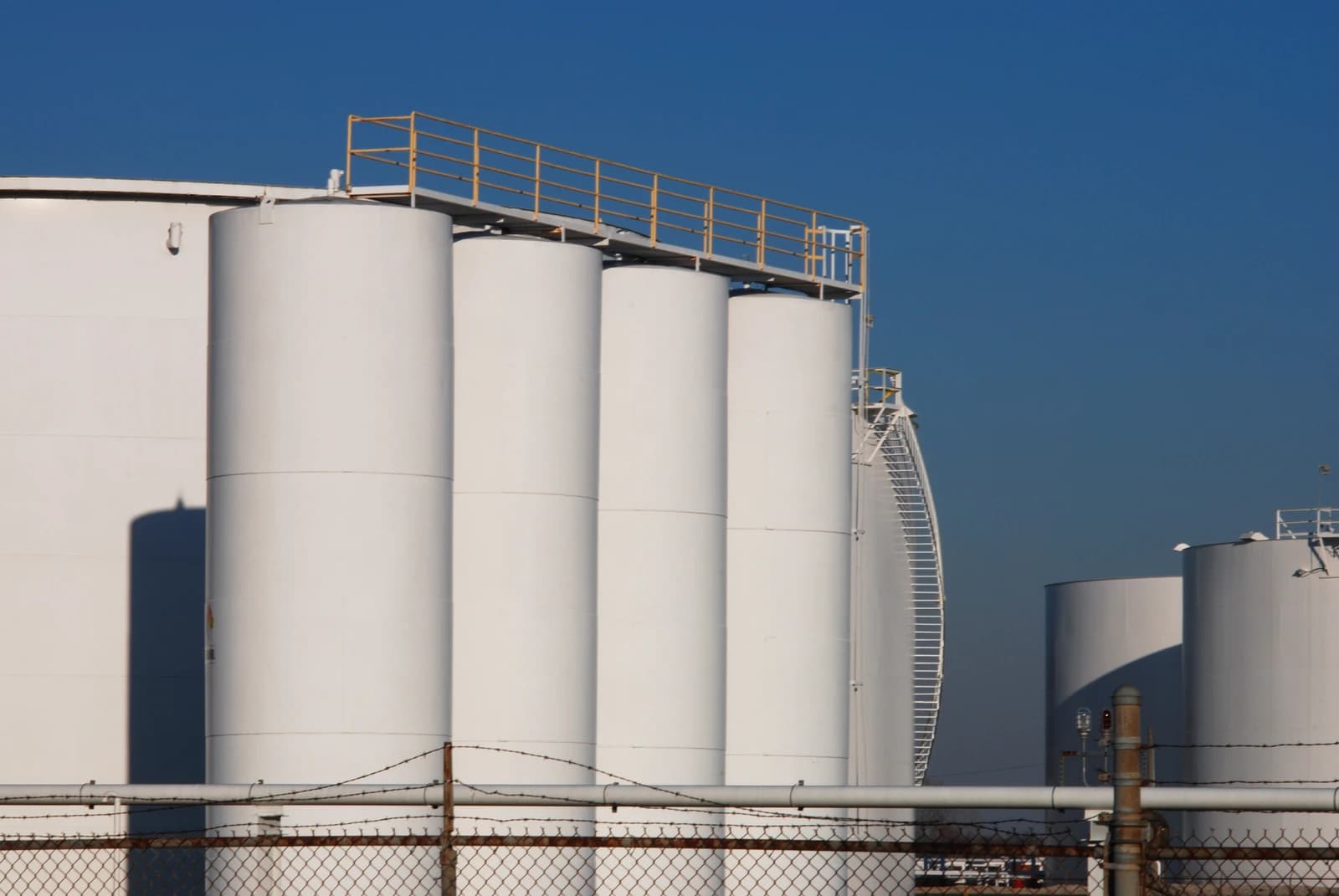
Oil’s return toward $100 a barrel is forcing OPEC to defend its core message: the cartel says its priority is stabilizing markets, not manipulating prices, even as Middle East tensions and supply-route risks rebuild a geopolitical premium into energy.
That matters because higher crude prices are feeding directly into inflation expectations, keeping pressure on central banks and widening the gap between winners and losers across stocks, bonds and currencies. With the US Strategic Petroleum Reserve at its lowest level since 1982, the world has less emergency cushion than in past shocks, so any disruption in the Strait of Hormuz would hit a market already running hot.
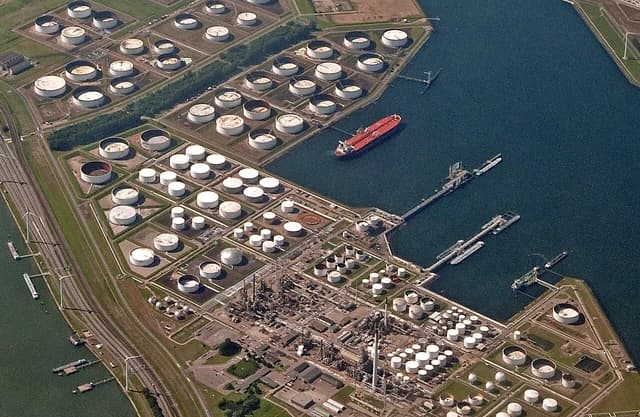
OPEC Secretary General Haitham Al Ghais used a Qatar News Agency interview to argue that the alliance is focused on balance, not direction. He said members have already adopted alternative logistical routes with regional and international partners to keep oil flowing despite maritime security concerns in the Middle East. That is the important shift for investors: OPEC is signaling that it wants to preserve spare supply and credibility while the market prices in a bigger risk premium.
The macro backdrop strengthens that case. Al Ghais pointed to global growth of 3% in 2026, backed by the US economy and heavy AI investment in China and India, and said oil demand could rise by 600,000 barrels a day next year. He also expects non-OPEC+ liquids supply to grow by the same amount, to 54.8 million barrels a day, led by the US, Brazil, Canada and Argentina. In other words, the market’s near-term balance may look tighter on geopolitics, but OPEC is betting that non-OPEC growth will stop a full-blown supply squeeze.
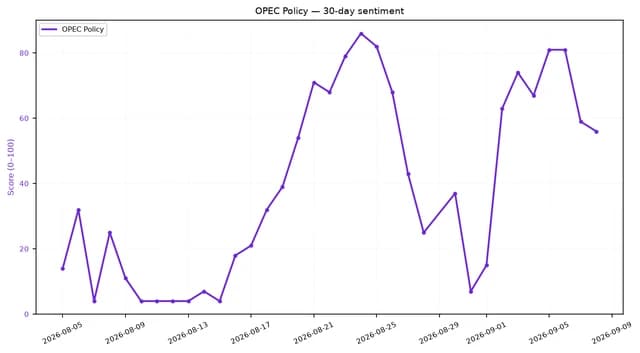
Longer term, the message is even more consequential. OPEC says meeting demand through 2050 will require $17.7 trillion in oil investment, while its outlook sees demand climbing to 124 million barrels a day as population growth, urbanization and economic expansion outpace the energy transition narrative. That makes the underinvestment trade increasingly important: if capital spending stays constrained, the next supply shock could be sharper and last longer than the market expects.
Investors are already voting with their feet. USO remains far above its 50-day and 200-day moving averages, while OIH and XLE are also holding strong gains, underscoring how energy equities continue to benefit from crude’s resilience and the prospect of sustained cash returns. Adalytica’s Oil WTI Trade Signals show awareness at an extreme level, a sign that traders are watching the tape closely even if sentiment is still neutral.
The actionable takeaway is straightforward: this is not just an oil headline, it is a signal that energy remains one of the market’s most asymmetric trades. The best setup still favors producers, oilfield services and integrated majors if geopolitical risk keeps a floor under prices and global demand keeps grinding higher. If OPEC is right, the real opportunity is not in chasing spot crude, but in owning the companies that monetize a structurally tighter oil market over the next several years.
| Entity | Gains | Losses |
|---|---|---|
| OPEC+ producers | ▲firmer pricing power | ▼pressure to raise output |
| Oilfield services | ▲more drilling demand | ▼weaker capex discipline |
| Energy equities | ▲cash-flow tailwind | ▼valuation risk if oil rolls over |
| Consumers/central banks | ▲— | ▼higher inflation pressure |