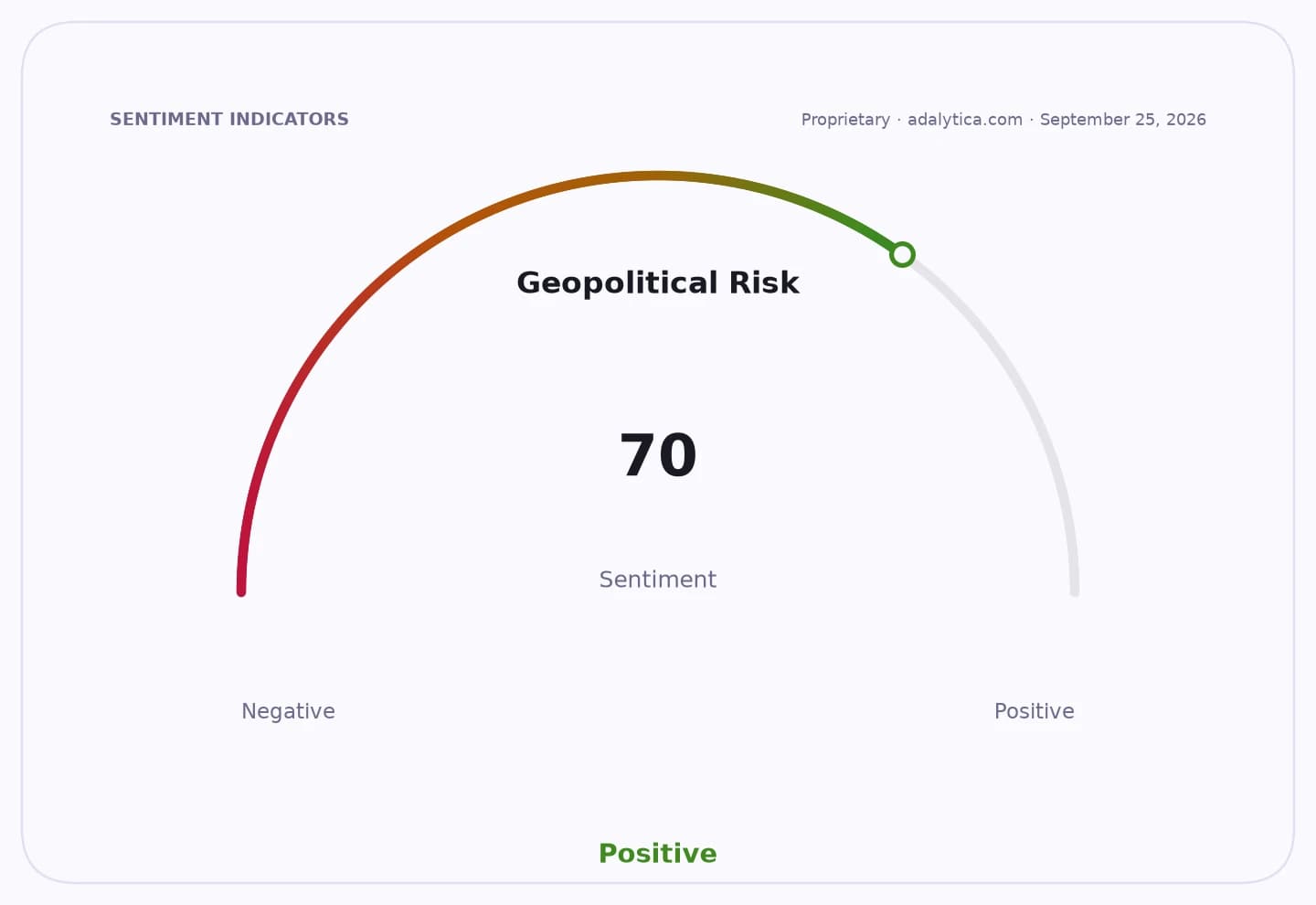
The meeting between the Energy Minister and OPEC’s secretary-general comes as oil markets are already trying to digest a fresh shift in supply management, with Brent and WTI benchmarks trading on the assumption that OPEC+ will keep using production increases and guidance to steer prices rather than defend a hard ceiling.
OPEC Signal Keeps Oil Market Volatile

That matters because the main economic transmission from any OPEC conversation is not diplomatic symbolism but the path for crude, inflation and government revenues. WTI has rebounded sharply to about $121 a barrel, up from the mid-$70s only days earlier, while US oil-tracking fund USO has rallied back above its 50-day moving average and its RSI has moved into overbought territory, showing how quickly traders are pricing tighter near-term supply. Energy equities have also stabilized: the XLE ETF is near $56.50 and XOP is around $165, with both recovering toward their short-term technical bands as investors reassess the durability of the oil move.
Sentiment IndicatorsⓘProprietary · adalytica.com · July 16, 2026
This is a snapshot — live sentiment, awareness and momentum for 130+ markets update continuously in the dashboard.Open AlphaPulse
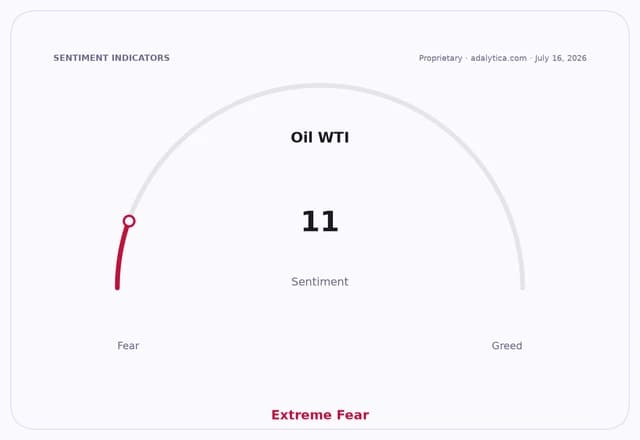
The policy backdrop is a market that still looks structurally tight but tactically fragile. OPEC+ has already agreed to raise output by 3.05 million barrels, yet the price response has been uneven because geopolitical disruption continues to cloud the actual flow of barrels. OPEC has also trimmed its 2026 demand forecast while nudging up its 2027 outlook, underscoring a familiar tension for producers: near-term discipline is being balanced against the need to defend market share and fiscal income, even as longer-dated demand remains uncertain.
For investors, the meeting is important because it may clarify whether OPEC prefers to lean against the recent oil rally or tolerate it. A more dovish signal could pressure crude and energy shares, especially after USO’s steep swing from oversold conditions in late June, when its RSI fell to 12.5, to overbought levels now. A firmer stance, by contrast, would support upstream producers, service firms and exporters, but would also keep pressure on importers, airlines and parts of the industrial complex that remain vulnerable to energy costs.
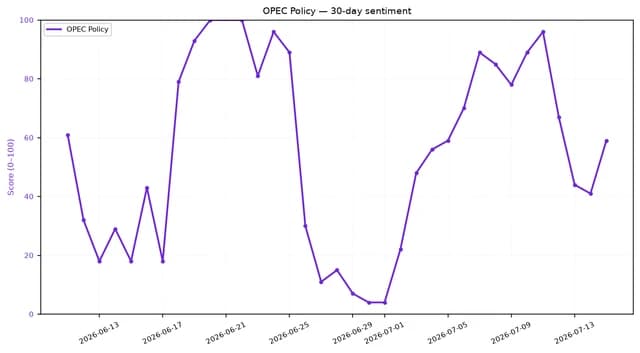
The move in US Treasury yields adds another layer to the story. The 10-year note is around 4.58%, leaving policymakers and markets sensitive to any sustained oil-driven inflation impulse. Higher energy costs would complicate the path for central banks that are already trying to judge whether recent price pressure is transitory or the start of a broader inflation reacceleration.
For now, the market is treating OPEC diplomacy as a signal on supply, not just rhetoric. The next catalyst is whether the group’s next production guidance confirms that recent output increases are meant to be managed, or whether producers are prepared to let prices remain elevated if geopolitical risk keeps barrels off the market.
| Entity | Gains | Losses |
|---|---|---|
| OPEC+ exporters | ▲Higher revenue leverage | ▼Greater pressure to manage quotas |
| Oil producers | ▲Stronger realized prices | ▼Volatility if policy surprises |
| Oil importers | ▲Short-lived relief if supply rises | ▼Higher fuel and input costs |
| Consumers and airlines | ▲Lower prices if OPEC opens taps | ▼Inflation if crude stays near $120 |