OPEC+ Keeps Oil Output Unchanged for October
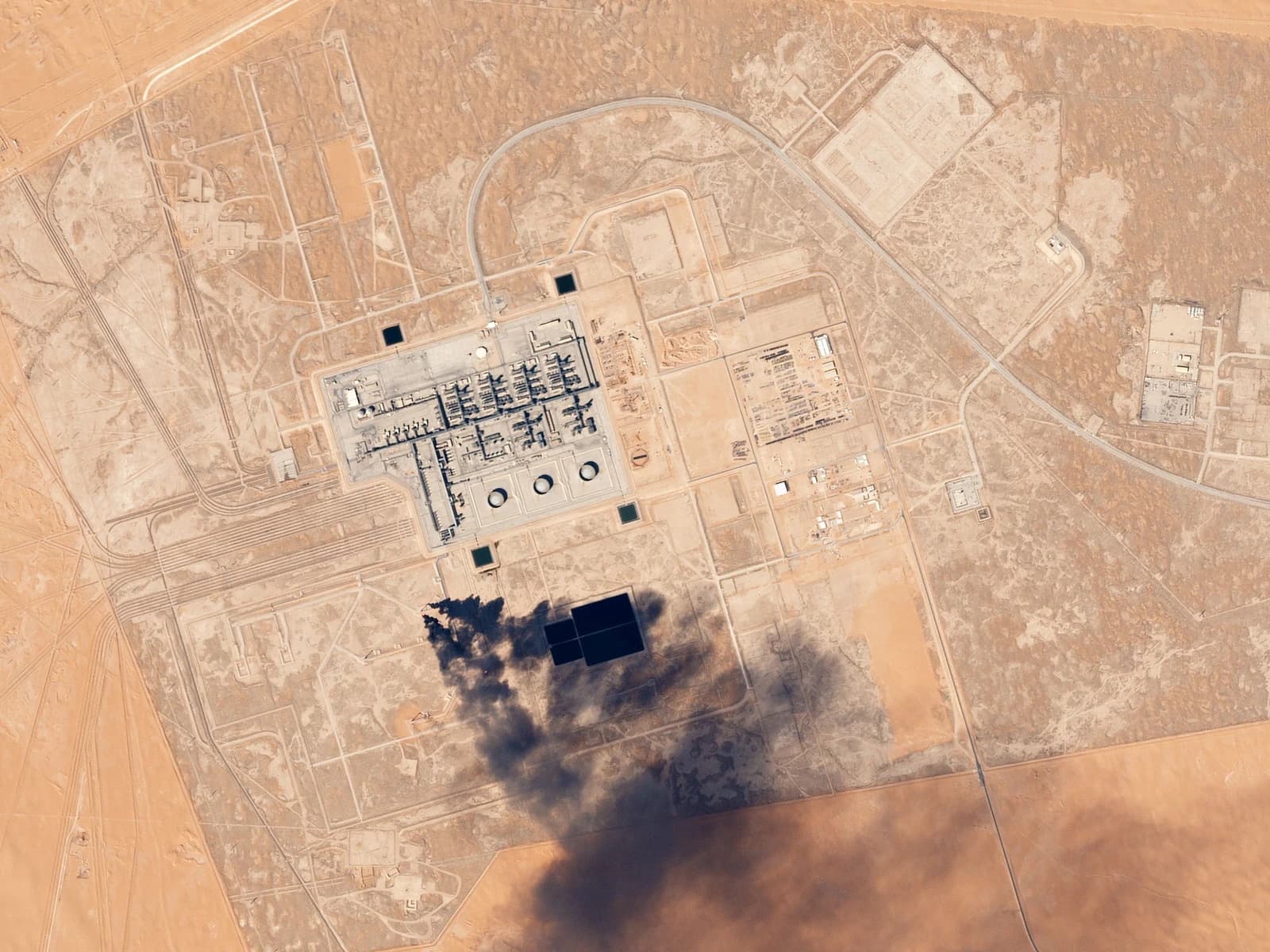
OPEC+ kept oil production unchanged for October, pausing after months of increases as the Iran war, shipping disruptions and Russian supply risks keep the market on edge.
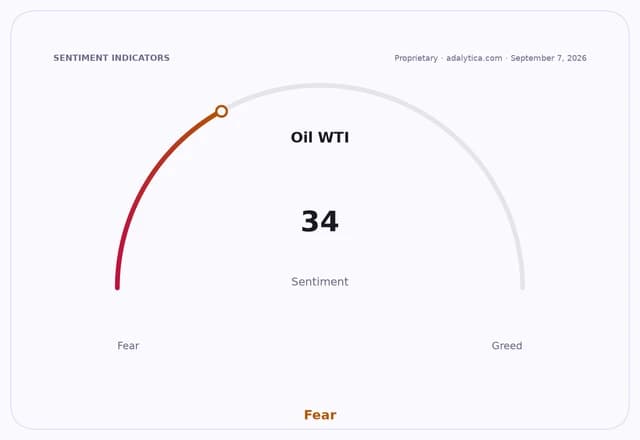
The decision matters because the alliance is choosing restraint over further barrel additions just as global supply remains uneven and prices stay elevated. Brent and U.S. crude have been volatile through the summer, with West Texas Intermediate still around $141 a barrel in early September, underscoring how sensitive traders remain to any shift in OPEC+ policy.
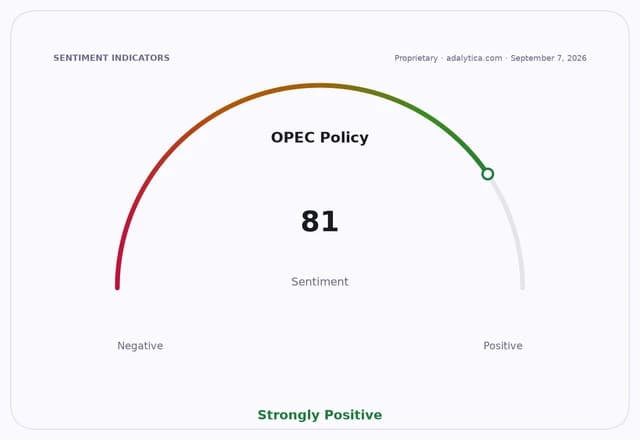
The seven producers that have been steering output — led by Saudi Arabia and Russia, and including Iraq, Kuwait, Kazakhstan, Algeria and Oman — said they will keep the same required production for October that was set for September. That extends a pause after the group had spent more than a year unwinding two voluntary cuts totaling 3.85 million barrels a day.
The move also leaves in place the alliance’s broader compulsory cuts of 2 million barrels a day, which run through year-end and apply to all members except Iran, Libya and Venezuela. OPEC said the next meeting to assess the market is set for Oct. 4, keeping traders focused on whether the group sees enough stability to begin easing again.
For investors, the decision is bullish for oil-linked assets and supports producers’ cash flow, while raising costs for refiners, airlines and other fuel consumers. Shares in energy stocks have already reflected the tighter backdrop, with the XLE energy ETF near $64 and holding well above its 200-day moving average, while oil sentiment data shows elevated market attention around the OPEC+ meeting.
The bigger issue is the widening gap between official quotas and actual output. OPEC said July production by the 21-member alliance was 37.655 million barrels a day, still about 10% below January levels before U.S. and Israeli strikes on Iran, and the mismatch is likely to make the next quota negotiations harder.
That sets up a more contentious fight later this year over 2027 production baselines, with Iraq seeking a larger quota and members already dealing with disruptions in the Strait of Hormuz, the Red Sea and attacks on Russian energy sites. Any failure to bridge those differences could test OPEC+ cohesion just as the group decides whether to defend prices or reclaim market share.
| Entity | Gains | Losses |
|---|---|---|
| OPEC+ producers | ▲steadier prices | ▼less near-term output growth |
| Oil bulls / energy stocks | ▲tighter supply backdrop | ▼fewer downside buffers |
| Refineries, airlines, consumers | ▲lower crude volatility | ▼higher fuel-cost pressure |
| Iraq, UAE quota seekers | ▲leverage in talks | ▼harder quota fight ahead |