OPEC cites petrochemical oil demand as WTI holds $83.46

Petroleum-derived materials remain embedded in life-saving medical devices, OPEC said, underscoring how deeply oil demand is tied to healthcare, packaging and industrial supply chains even as investors focus on the energy transition and plastic bans.
That matters because the industry’s long-term demand outlook is increasingly shaped by non-fuel uses of crude, not just gasoline, diesel and jet fuel. The point lands as benchmark U.S. oil futures settle around $83.46 a barrel on Aug. 11, with West Texas Intermediate trading above both its 50-day moving average and 200-day moving average, while Adalytica’s oil trade signal shows “Greed” at 77, a sharp jump from 42 three days earlier.
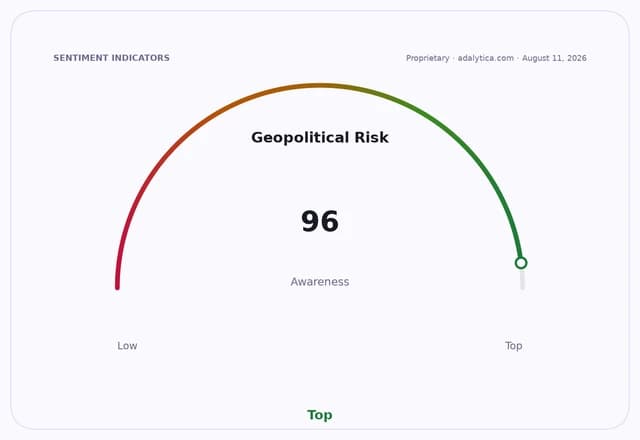
For investors, the message is that petrochemical demand still provides a structural floor for producers and refiners even if transport fuel consumption slows over time. Energy shares have reflected that resilience: the Energy Select Sector SPDR Fund, XLE, closed at $60.18 on Aug. 10, near the top of its recent range and above both its 50-day and 200-day moving averages, while consumer discretionary stocks, tracked by XLY, are still trading below their long-term trend.
The timing also comes as inflation and rates remain relevant to the sector. U.S. consumer prices rose to 332.568 in June from 332.407 in April, while the 10-year Treasury yield sits near 4.65%, keeping attention on fuel, material and input costs across manufacturing.
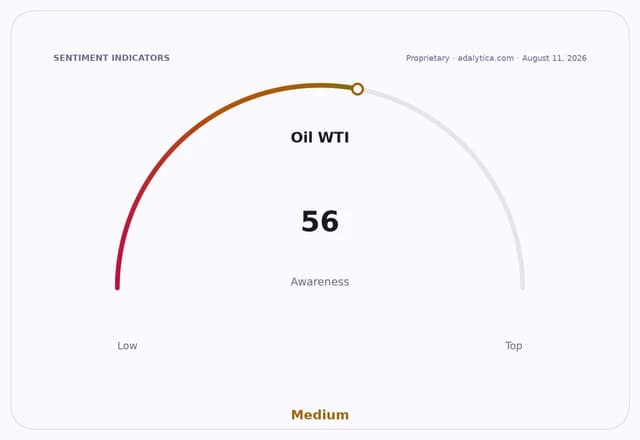
OPEC’s broader argument is that oil demand is not only about combustion but about the plastics, resins and specialized materials used in hospitals and clinics. That creates a tougher backdrop for policy efforts to curb single-use plastics, which could restrain some demand streams over time but is unlikely to erase them quickly.
The market backdrop remains constructive for oil but volatile, and OPEC’s messaging suggests the group intends to keep emphasizing the durability of petrochemical demand. Traders will be watching the next round of U.S. inflation data, crude inventory trends and any further OPEC commentary on supply discipline and demand growth.
| Entity | Gains | Losses |
|---|---|---|
| Oil producers | ▲Steadier long-term demand | ▼Faster demand destruction |
| Refiners/petrochemicals | ▲Demand for feedstocks | ▼Regulatory pressure on plastics |
| Healthcare device makers | ▲Reliable resin supply narrative | ▼Higher input costs |
| Consumer sectors | ▲Lower sensitivity if oil stabilizes | ▼Margins if energy costs rise |