OPEC+ Ministers Review Oil Market Before Sept. 6 Meeting
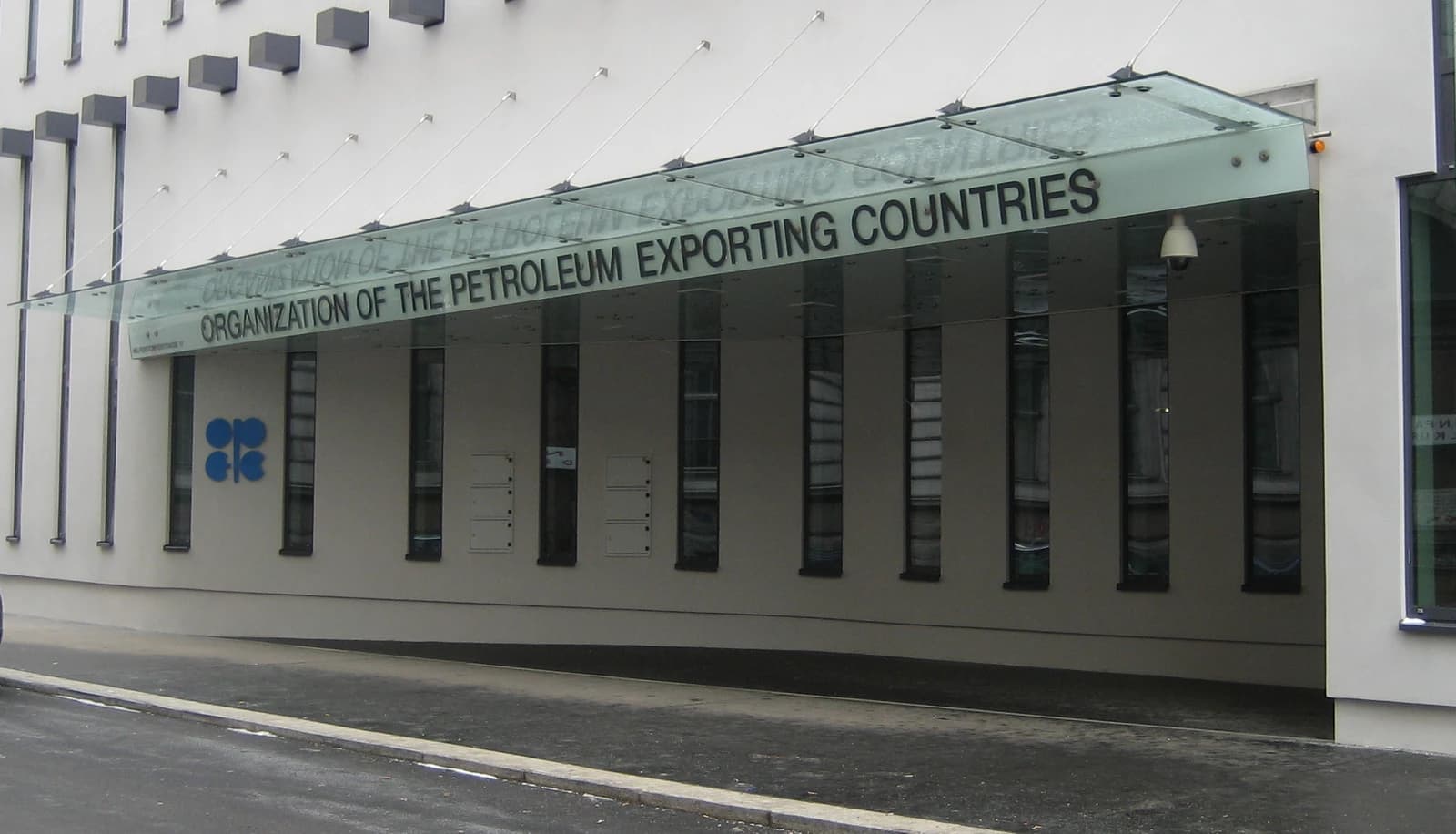
OPEC+ ministers from seven major producers are set to review oil-market conditions on Sept. 6 as the alliance approaches the final rollback of 2.2 million barrels a day in voluntary supply cuts, a decision point that matters because it could determine whether the group continues unwinding restraints into a market already shaped by Middle East disruptions, uneven compliance and high prices.
The meeting comes at a delicate moment for crude traders. The seven countries — Russia, Saudi Arabia, Algeria, Kuwait, Iraq, Kazakhstan and Oman — have spent two years gradually restoring output from the cuts agreed in 2023, and the last tranche is due to end this month. That leaves OPEC+ with a choice: keep returning barrels to the market, pause, or eventually reimpose limits if demand softens. For now, Russian Deputy Prime Minister Alexander Novak said there was no discussion of further cuts, arguing the market remains tight and that earlier decisions had focused on increasing quotas and production.
That message is important for the oil balance. Any extension of the unwind would add supply to a market that has been supported by geopolitical risks and by producers in the Gulf running below quota since March because of the regional conflict. Russia, meanwhile, is also below its allowed level because of unscheduled refinery maintenance, underscoring that actual supply is still constrained even before formal policy changes. Kazakhstan remains about 1 million barrels a day above its target, but OPEC+ has stopped publishing the compensation schedules that previously offered investors a clearer view of how fast excess output would be clawed back.
The market is reading the meeting less as a routine compliance check than as a test of whether the alliance can preserve discipline while demand stabilizes. Novak said oil demand is recovering, and OPEC’s own secretariat has pointed to a rebound in consumption as consumers rebuild inventories after earlier drawdowns. China, the world’s largest crude importer, has increased commercial stockpiles sharply in 2025, but that has not eliminated the broader tightening effect from supply restraint and conflict-related disruptions.
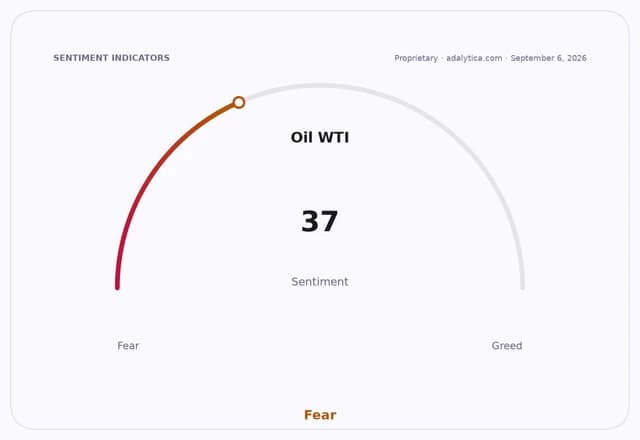
For investors, the key issue is whether OPEC+ keeps prioritizing price support over market share. Oil-linked assets have already priced in a tighter backdrop: USO, a crude-tracking ETF, has risen to about $141.96 from $112.21 on July 8, while the Energy Select Sector SPDR has climbed to $64.06 from $55.60 over the same period. Technical indicators on both funds point to stretched momentum, with USO’s RSI still elevated and XLE trading well above its 50-day moving average. That suggests the market is vulnerable to a sharp reaction if OPEC+ surprises either with a faster-than-expected increase in supply or with language that signals greater tolerance for lower prices.
The deeper narrative is that OPEC+ is managing a market that is no longer short of supply because of one factor alone, but because of a mix of policy restraint, geopolitics and compliance slippage. A formal decision on quotas still requires a full OPEC+ gathering on Nov. 29, though an earlier ministerial committee meeting on Oct. 4 could be convened if needed. Until then, traders will treat Saturday’s discussion as the clearest near-term signal of whether the group intends to keep defending the price floor or begin preparing the market for more oil.
| Entity | Gains | Losses |
|---|---|---|
| OPEC+ producers | ▲Higher prices, tighter market | ▼Market share if cuts stay in place |
| Oil bulls / long positions | ▲Supportive supply backdrop | ▼Risk of policy surprise |
| Refiners and importers | ▲Potentially more stable supply if quotas rise later | ▼Higher crude costs near term |
| Russia, Kazakhstan and quota cutters | ▲Leverage from disciplined output policy | ▼Scrutiny over compliance gaps |