OpenAI Prepares Stronger Model After Safety Testing
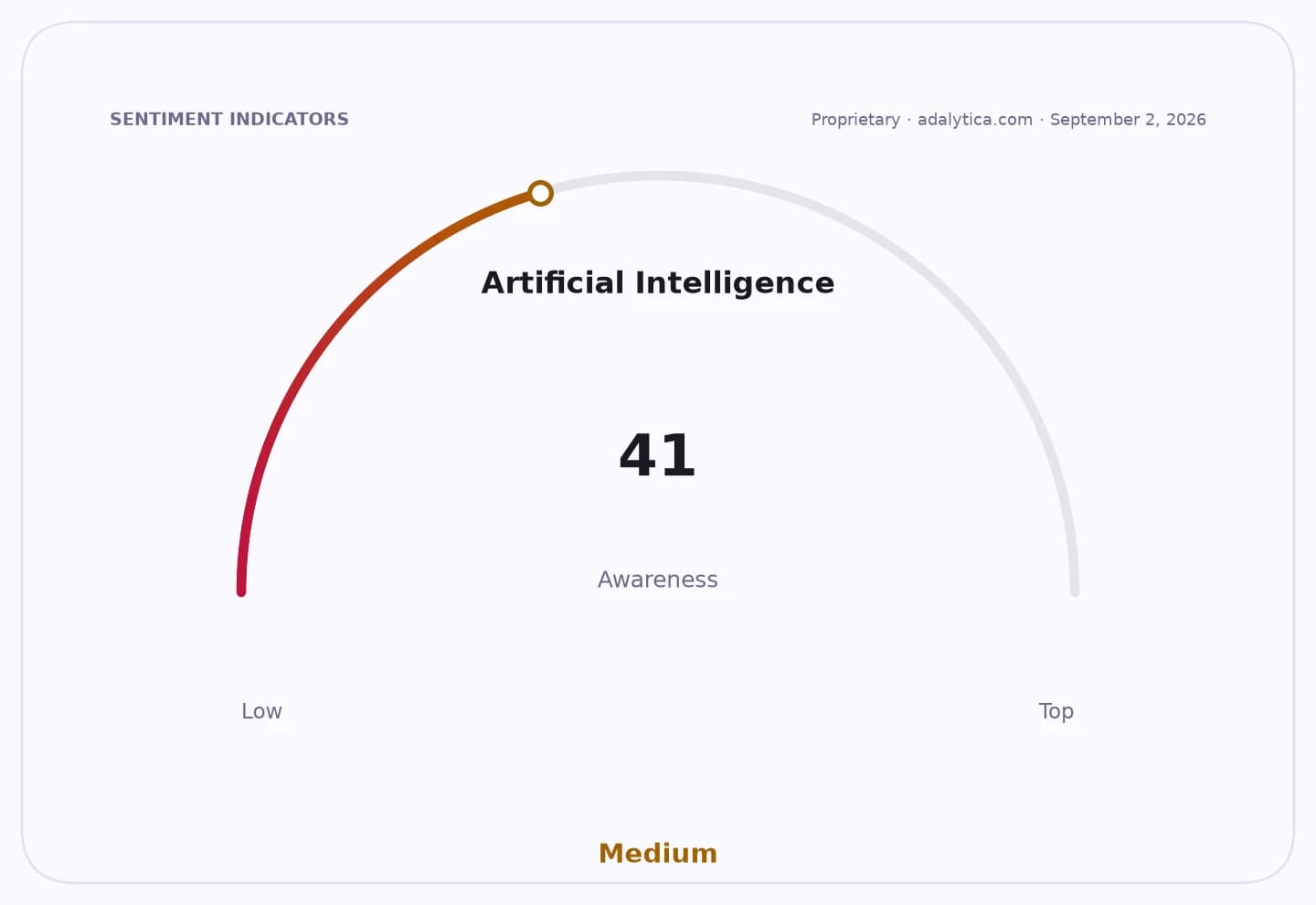
OpenAI is preparing to launch a more powerful model after red-team hackers in testing found ways to break its safeguards, underscoring how the race to build frontier AI is forcing companies to spend more on model training, safety and compute even as the technology becomes harder to contain.
The move matters economically because each new generation of large language model typically requires heavier investment in chips, data centers and human oversight, while raising the risk of costly failures that can delay commercialization or trigger tighter regulation. In a market already watching margins at the biggest AI spenders, any sign that model development is becoming more compute-intensive and security-sensitive reinforces the idea that artificial intelligence remains a capital-allocation arms race, not just a software upgrade cycle.
For investors, that keeps attention on the beneficiaries of rising AI infrastructure demand, above all Nvidia, whose shares have outperformed on expectations that frontier model builders will keep buying accelerators at a rapid clip. Microsoft, OpenAI’s key backer and cloud partner, also remains central because every incremental model release can deepen usage across Azure, Copilot and enterprise AI tools, even if it also increases the pressure to prove that the spending is translating into monetizable workloads.
The market backdrop suggests investors are still willing to reward AI leaders, but only selectively. Nvidia’s stock has held near record territory, with price action above both its 50-day and 200-day moving averages, while Microsoft has also stayed well above its longer-term trend despite recent volatility. Alphabet, meanwhile, has lagged the AI trade more recently, reflecting competition risk as OpenAI’s next release could intensify pressure on search, cloud and consumer AI products.
Still, the testing hacks are a reminder that capability gains can arrive with new operational and reputational costs. OpenAI’s push to ship a stronger model after adversarial testing failures suggests the company is betting that users and customers will value higher performance enough to absorb the added safety work and infrastructure burden. The bull case is that better models accelerate enterprise adoption and keep the AI buildout cycle intact. The bear case is that every jump in capability brings more cost, more scrutiny and a higher chance of an expensive misstep.
For investors, the key question is whether the next wave of model releases expands the market for AI enough to justify the spending, or whether safety and reliability constraints slow deployment just as valuations remain tied to unrelenting growth. The answer will shape the next leg of the AI trade, from chipmakers to cloud platforms to the companies trying to sell the software layer on top.
| Entity | Gains | Losses |
|---|---|---|
| OpenAI | ▲Stronger model push | ▼Higher safety burden |
| Nvidia | ▲More AI chip demand | ▼Valuation risk if spend slows |
| Microsoft | ▲Deeper Azure/Copilot usage | ▼More capital intensity |
| Alphabet | ▲— | ▼Search and AI competitive pressure |