Ordinals Expand Bitcoin’s Utility Narrative
Bitcoin’s latest challenge is also its most promising opportunity: Ordinals are turning the blockchain best known as digital gold into a place where investors can mint and trade NFTs. That matters because it broadens Bitcoin’s economic purpose beyond storing value, potentially creating fresh demand for block space, fees and ecosystem activity at a time when the market is still trying to decide what Bitcoin is really for.
For long-term investors, the significance is bigger than the collectible itself. If Bitcoin can support a meaningful NFT market without losing its core appeal as a scarce asset, it strengthens the case that the network can keep evolving without becoming dependent on speculative mania alone. That could be good for miners, exchanges and infrastructure providers that benefit when activity on the chain rises. It also gives Bitcoin a new narrative just as traders have been grappling with heavy volatility and a sharp pullback from recent highs.
The appeal of Ordinals comes from a simple idea: each satoshi can be inscribed with data, turning the smallest unit of Bitcoin into something unique. In practice, that has created a Bitcoin-native version of NFTs, one that does not rely on Ethereum’s smart contract ecosystem. For creators and collectors, that opens the door to a different brand of digital ownership. For Bitcoin investors, it hints at a network effect that could deepen if builders decide Bitcoin is more than a passive reserve asset.
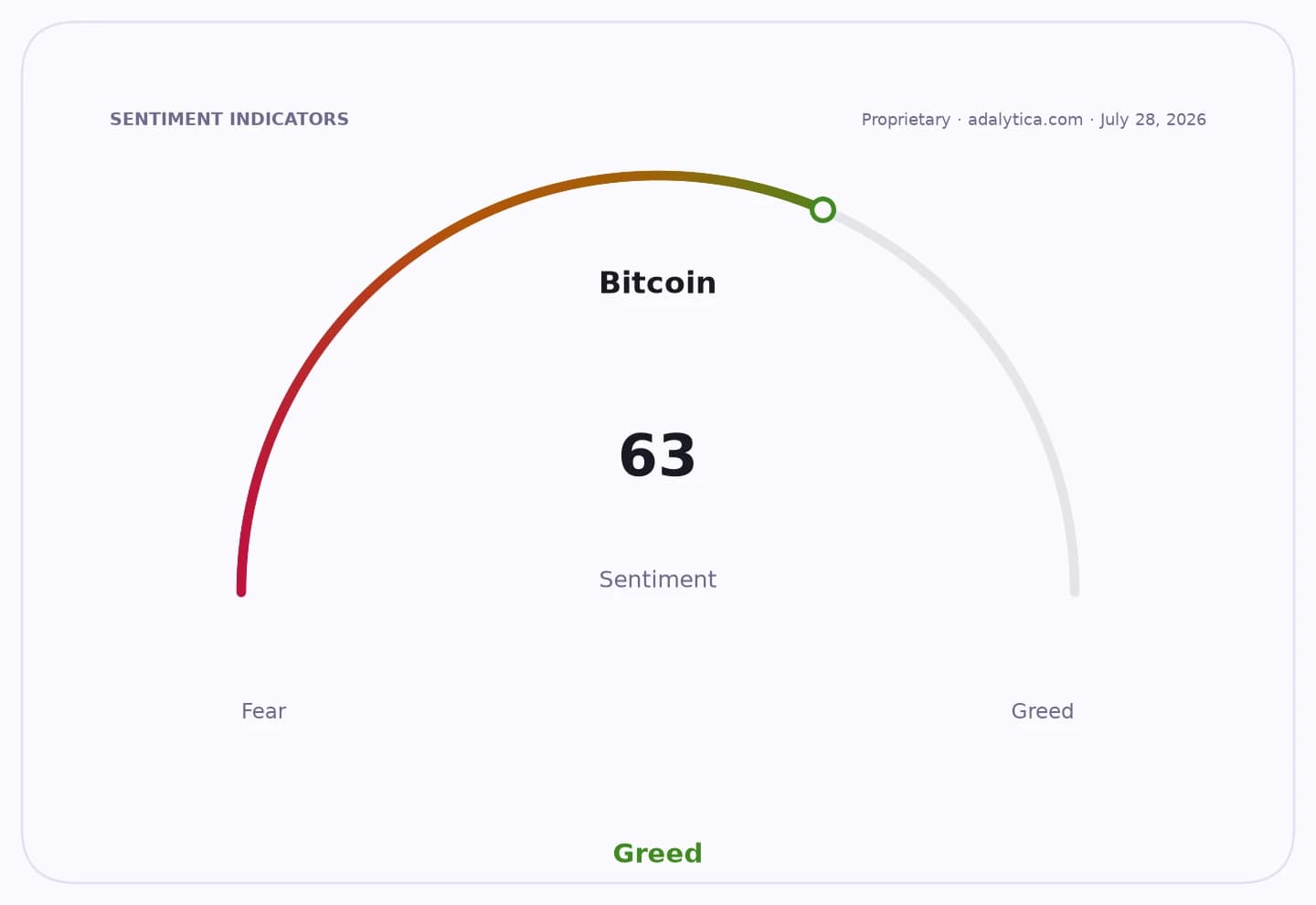
The market has already shown how sensitive crypto valuations are to narrative shifts. Bitcoin has swung sharply lower and higher in recent months, with technical readings showing periods of oversold conditions and brief recoveries above the 50-day moving average before selling pressure returned. Ethereum, meanwhile, has remained the more obvious home for NFT speculation, with sentiment still stronger there than in Bitcoin even after recent swings. That sets up a real question: can Bitcoin take part of the NFT market without giving up the simplicity that made it valuable in the first place?
Investors should not confuse novelty with inevitability. Most Bitcoin NFTs will probably remain niche, and the network’s limited design means it will never compete with Ethereum on flexibility. But that is not the point. The point is that even a modestly successful Ordinals market can create incremental activity, new fee revenue and more reasons for developers and users to stay engaged. Over years, not weeks, that kind of optionality can matter a great deal.
For holders, the takeaway is encouraging: Bitcoin is no longer just a one-trick macro asset. Ordinals suggest the ecosystem may be expanding in a way that could support adoption, utility and monetization over time. If you own Bitcoin for the long term, this is worth watching closely — not because Bitcoin NFTs will replace Ethereum, but because they may help make Bitcoin an even more resilient platform.
| Entity | Gains | Losses |
|---|---|---|
| Bitcoin miners | ▲Higher fee revenue | ▼Dependence on price swings |
| Bitcoin holders | ▲Broader network utility | ▼Purists wary of complexity |
| Ethereum NFT ecosystem | ▲Established smart-contract edge | ▼Some NFT attention shifts to Bitcoin |
| Collectors and creators | ▲New Bitcoin-native format | ▼Smaller, less mature market |