Organic Rice Improves Farm Margins in Bangladesh
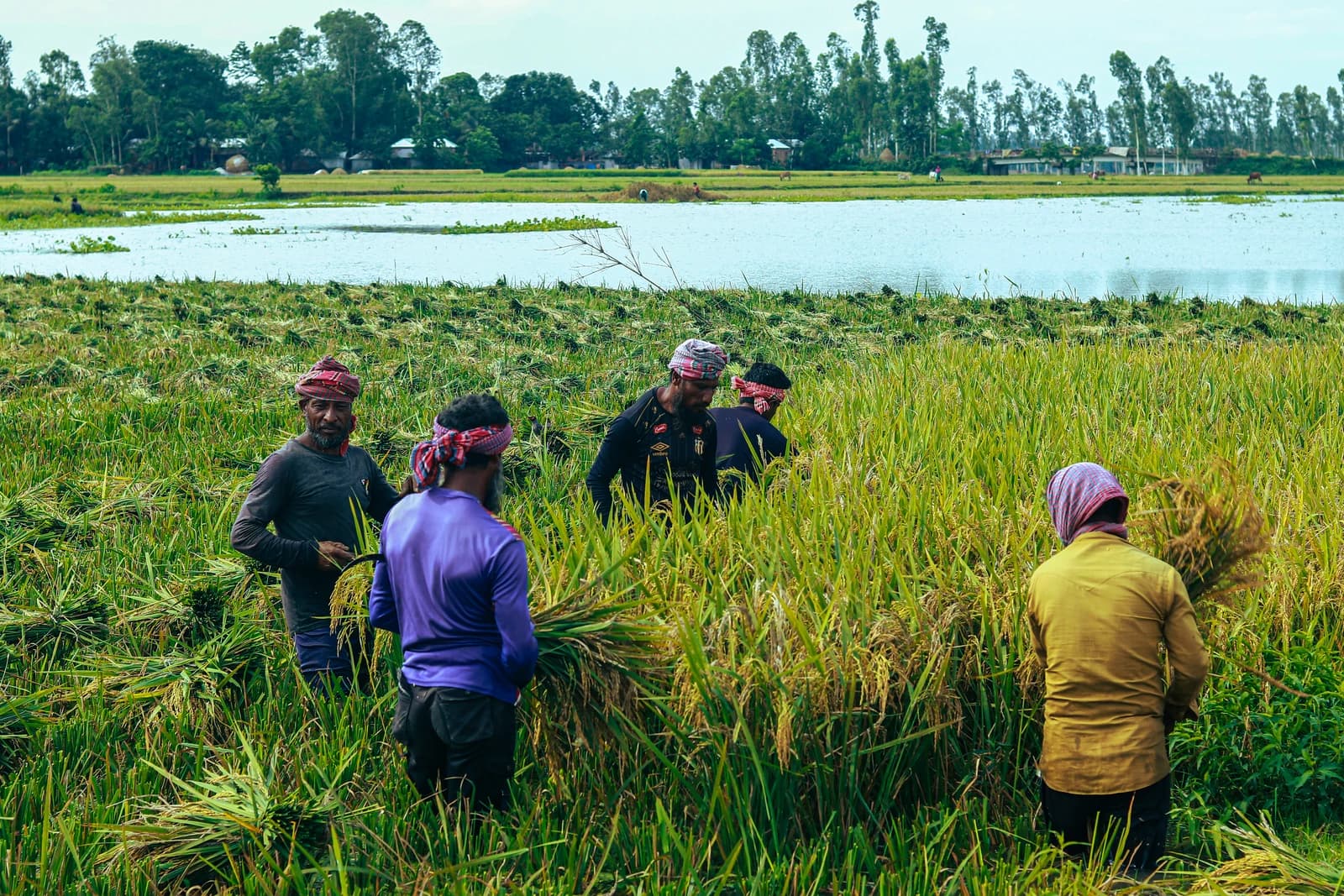
Organic rice cultivation is generating more than 11.6 million VND in extra profit per hectare, a gain that could improve farm incomes and support a broader shift toward higher-value rice production in Bangladesh.
The uplift matters because rice remains a core food staple and a major livelihood source for rural households. Higher margins can help farmers absorb input costs, reduce dependence on low-priced paddy sales and encourage more acreage to move into specialty and premium varieties rather than conventional bulk output.
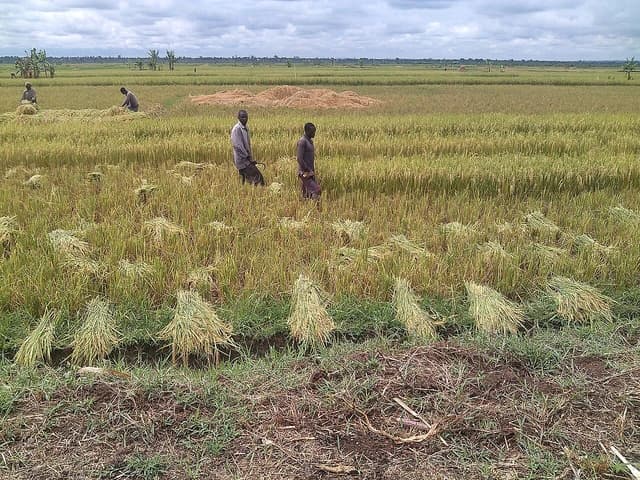
The data points to a sector trying to turn productivity gains into better economics. In Rangpur, farmers are expecting an excellent Aush harvest, while projects that combine rice fields with fish farming have helped raise yields by about 10%. Officials and growers are also leaning on free seeds, guidance, better fertilizer supply and improved weed management to keep output rising.
That combination is important for investors and agribusiness suppliers because it signals stronger demand for seed technology, crop protection and farm services, even as the market stays exposed to spoilage in storage, smuggling risks and production cuts in some regions. For farmers, the immediate attraction is clearer cash flow; for buyers and processors, the question is whether higher-value organic supply can scale without pushing up costs.
The move comes as food spending sentiment remains weak. Adalytica’s Food and Grocery Spending Sentiment gauge shows fear at 22, underscoring how price-sensitive consumers remain even as farm-level economics improve. That makes premium rice a tougher sell in the domestic market, but it also raises the stakes for export-quality output and efficient supply chains.
For publicly traded food and agricultural names, the story is about margins rather than volume alone. Better farm profitability can support longer-term supply stability, but crop spoilage, input availability and policy execution will determine whether the gains spread beyond pilot areas.
| Entity | Gains | Losses |
|---|---|---|
| Organic rice farmers | ▲Higher profit per hectare | ▼Lower-margin conventional output |
| Seed and fertilizer suppliers | ▲Stronger demand for inputs | ▼Farmers delaying upgrades |
| Rice buyers/processors | ▲Potentially steadier supply | ▼Higher procurement costs |
| Consumers | ▲Better future supply options | ▼Near-term affordability pressure |