Pacific Islands Forum rebukes China missile test
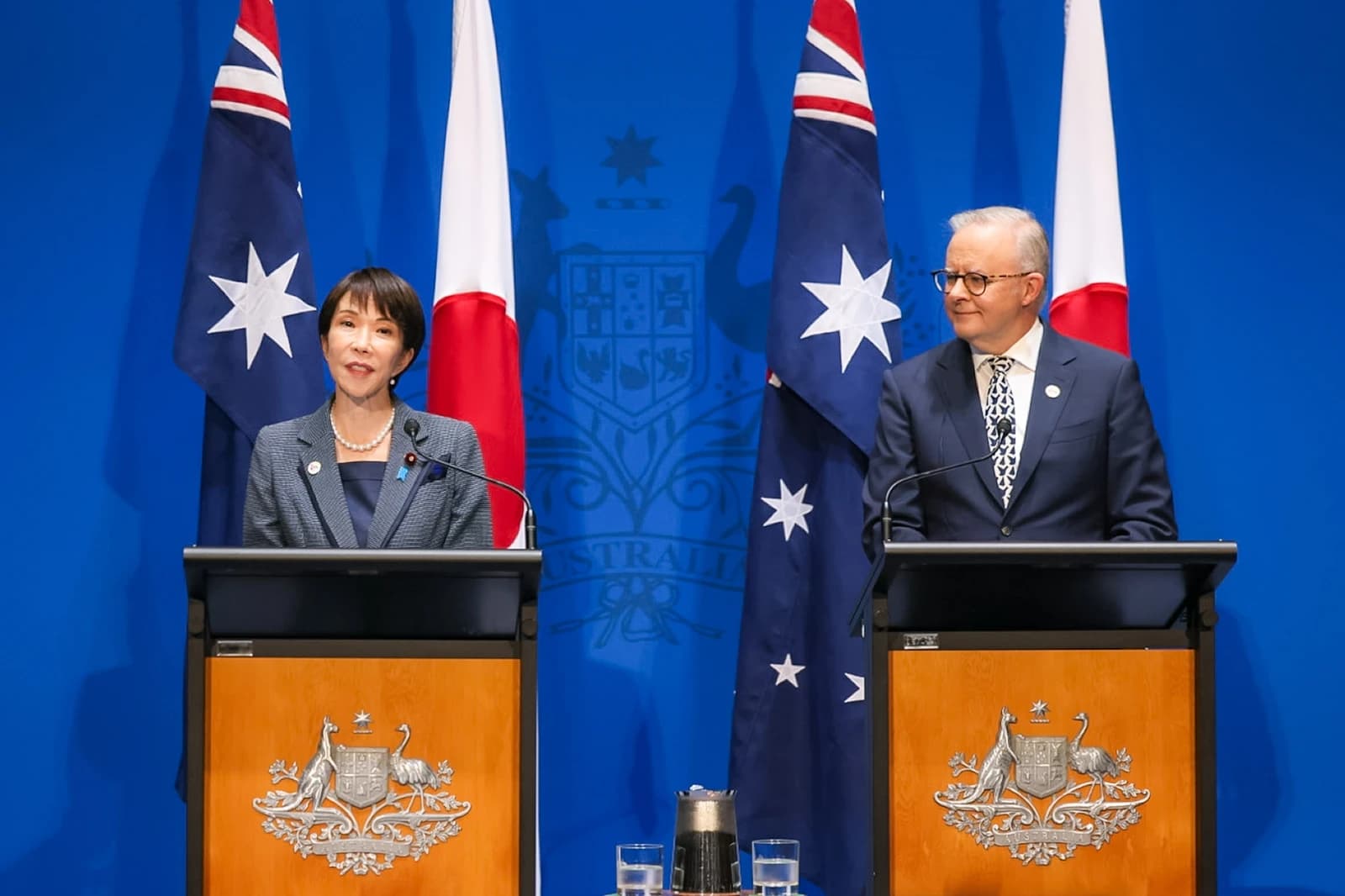
Pacific Island leaders have agreed on a joint rebuke of China’s missile test, a notable show of regional unity that matters because it underscores how much Beijing’s military reach is reshaping security politics in the Pacific.
The forum’s communique, backed by 17 of 18 members, called for at least 24 hours’ advance notice of any intercontinental ballistic missile test after China fired one through the region in July with only limited warning. That detail is more than diplomatic theater. For Pacific governments, many of which have memories of nuclear testing by the U.S., Britain and France, the issue is sovereignty and trust: who gets to move weapons across their skies and waters, and on what terms.
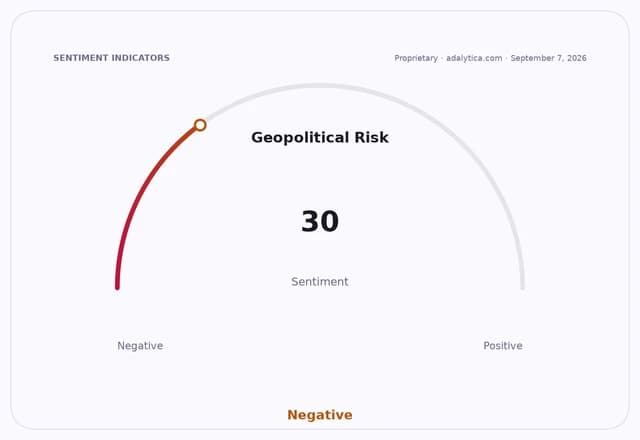
For investors, the message is that China’s push for influence in the Pacific is no longer just about ports, aid and infrastructure. It is now colliding with security concerns in a part of the world that sits astride major shipping lanes and underpins the strategic balance between China, the United States and its allies. When tensions rise, so does the risk premium for regional trade, defense spending and diplomacy-driven projects.
The split inside the forum also matters. Naoero, formerly Nauru, dissented after switching recognition from Taiwan to Beijing two years ago, a reminder that Chinese financing still buys influence even as it draws resistance. Beijing dismissed the meeting as being “hijacked” by Palau, while Palau and Australia pushed back by drawing a distinction between China’s test and U.S. missile launches, which they said come with proper notice.
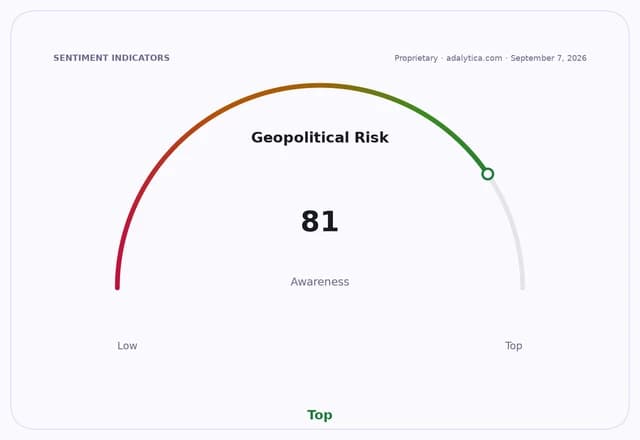
That kind of political friction has economic consequences. The Pacific’s immediate priorities remain climate resilience, fuel security and transnational crime, but strategic rivalry keeps intruding on those agendas. Australia’s AU$600 million pledge for satellite and drone surveillance, and Washington’s promise of $60 million for fuel security, show how security competition is already translating into spending.
The long-term takeaway for investors is simple: the Pacific is becoming a more contested geopolitical frontier, and that usually benefits defense, surveillance and infrastructure-security contractors more than it helps the region’s stability. It is worth watching whether this rare show of unity holds, because sustained coordination would make it harder for any one power to dominate the region.
| Entity | Gains | Losses |
|---|---|---|
| Pacific Islands Forum majority | ▲Regional unity | ▼Beijing influence |
| China | ▲Strategic access | ▼Diplomatic trust |
| Australia and U.S. | ▲Security partnership | ▼China’s room to maneuver |
| Taiwan | ▲Visibility in Pacific | ▼Beijing’s pressure campaign |