Pakistan auto prices ease as discounts widen
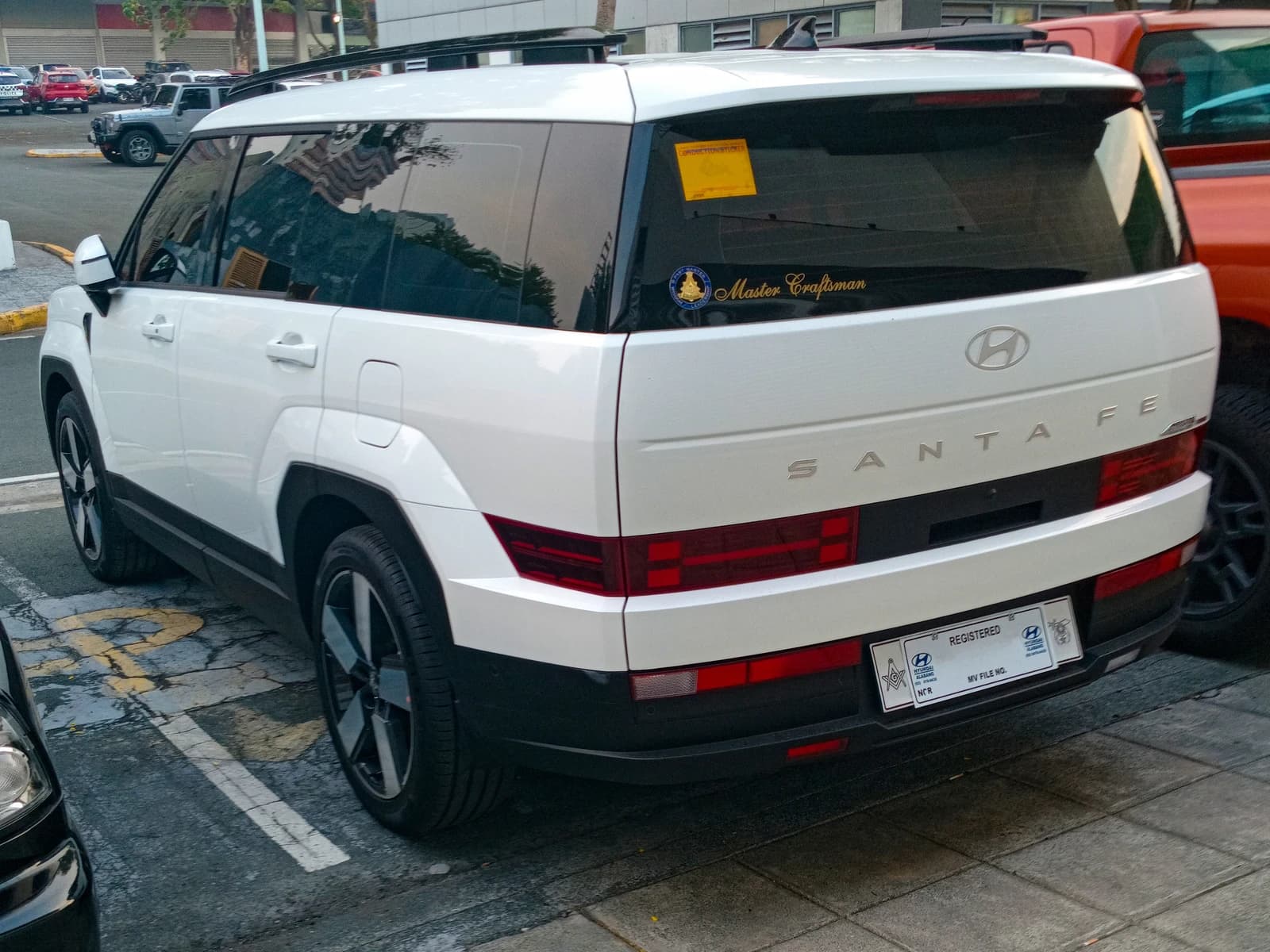
Car buyers in Pakistan are starting to see more attractive pricing across a wide range of models, and that matters because the auto market is no longer being driven only by brand loyalty — it is increasingly being shaped by affordability, fuel costs and the push for value in a tighter economy.
That is the clearest takeaway from the latest round of price updates, which shows manufacturers leaning harder on discounts and financing offers to keep showroom traffic moving. The trend spans mainstream gasoline models and newer electric or hybrid entrants, suggesting competition is broadening rather than narrowing. For buyers, that improves choice and buying power. For automakers and dealers, it puts more pressure on margins, inventory discipline and monthly sales targets.
The pricing backdrop also helps explain why names like Toyota remain relevant even as consumers shop around. Toyota’s lineup in Pakistan still covers everything from the Corolla at PKR 6.169 million to the Hilux at PKR 16.149 million and the Land Cruiser at PKR 156.829 million, underscoring how wide the market has become in both mass-market and premium segments. But the bigger story is not any one badge — it is that local buyers are increasingly comparing value across SUV, sedan and pickup categories, forcing brands to defend share with price rather than just prestige.
That competition is showing up in the market for listed auto distributors as well. KMX has rallied sharply from its lows, with the stock climbing to 58.8 from 30.88 in November, before pulling back recently. Even after that run, the technical picture has cooled, with the price now below its 50-day moving average and RSI readings near 30, a level that often points to short-term oversold conditions. CAR has been far more volatile, swinging from 87.69 in February to 713.97 in April before sliding to 116.96 recently, a reminder that investor enthusiasm for auto names can be as fast-moving as the underlying pricing cycle.
For long-term investors, the important question is whether cheaper stickers translate into healthier demand. If festive discounts and more aggressive pricing can revive volumes without permanently damaging margins, the auto channel could stabilize. If not, the winners will be the buyers and the brands with real scale, strong financing access and the flexibility to compete on total cost of ownership, not just showroom price.
That makes this an industry worth watching rather than chasing. In a market where fuel efficiency, resale value and affordability increasingly matter, the best-positioned names are likely to be the ones that can sell more cars without sacrificing balance-sheet strength. For investors, that favors patience, diversification and a long-term view of who can compound through a full auto cycle.
| Entity | Gains | Losses |
|---|---|---|
| Car buyers | ▲Lower prices, more choice | ▼Fewer bargaining advantages for sellers |
| Carmakers with value brands | ▲Higher demand potential | ▼Margin pressure |
| Auto dealers | ▲Better traffic in showrooms | ▼Discount-driven earnings risk |
| Auto stocks (KMX, CAR) | ▲Possible volume rebound | ▼Volatility and weaker pricing power |