Pakistan auto prices rise across premium and mass market
Car pricing across premium and mass-market models is moving again in Pakistan and beyond, with September adjustments underscoring how currency weakness, imported parts costs and shifting consumer demand are reshaping the auto market.
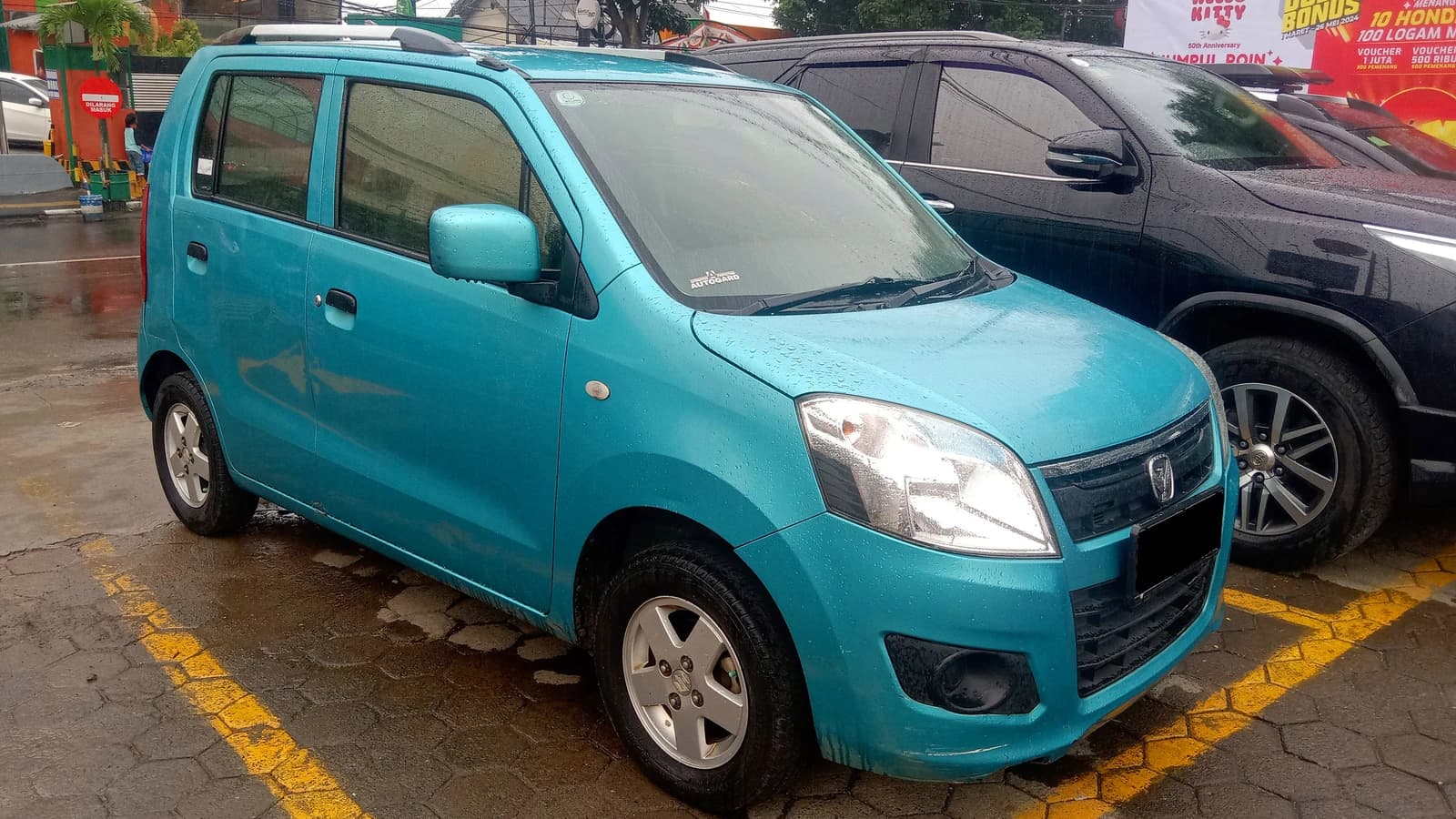
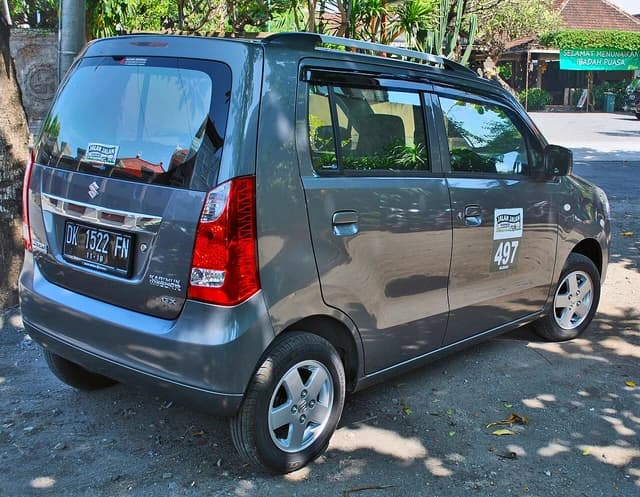
For investors and dealers, the key point is not the individual model list — from the Porsche 911 Carrera S and BMW X4 to the Toyota Camry and Suzuki Wagon R — but the widening spread between aspirational imports and volume sellers. That gap matters because it shows where pricing power still exists and where buyers are being forced down the ladder.
Pakistan’s latest Toyota price list highlights the scale of the affordability challenge. A Toyota Land Cruiser is listed at PKR 156.829 million, while a Corolla is PKR 6.169 million and an Aqua PKR 4.5 million. The range reflects a market in which taxes, duties and exchange-rate pressure have made large-engine and imported vehicles effectively luxury goods, while demand concentrates in lower-cost, fuel-efficient models.
That pattern is consistent with broader regional pricing moves. Hyundai has recently raised prices, Suzuki has updated its list for models including the Jimny and Swift, and promotional discounts in parts of Asia show how manufacturers are trying to defend volumes in a softening market. The combination suggests carmakers are no longer competing only on product; they are competing on financing, incentives and inventory management.
The investor angle is straightforward. Auto demand is becoming more bifurcated: premium brands can still pass through costs to wealthier buyers, but mainstream brands face a more elastic customer base that is highly sensitive to sticker price and running costs. That makes affordable models and fuel-efficient nameplates the most defensible segments, while big SUVs, performance sedans and imported trims risk slower turnover.
That tension is also visible in share-price action among listed automakers. Porsche parent Volkswagen’s Porsche AG class of stock has been under pressure, with Porsche AG’s P911.DE trading at 44.64, above its 50-day moving average but still below recent peaks, while BMW.DE closed at 62.32, well under its 200-day moving average of 73.5 despite a recent rebound. Toyota Motor’s US-listed shares at 192.48 remain below their 200-day moving average of 202.2 after a sharp drawdown from earlier highs. The message is not one of collapse, but of markets pricing in tougher margins, weaker pricing momentum and uneven global demand.
Used cars are part of the same story. When new-car prices rise too quickly, buyers trade down, extending demand for older models and keeping resale values elevated at the top end — until affordability finally breaks. That can help premium used inventory in the near term, but it also raises the risk of a sudden slowdown if consumer budgets tighten further.
The near-term outlook hinges on whether manufacturers keep relying on list-price increases or shift more aggressively to rebates and financing support. If exchange rates stay volatile and import costs remain elevated, the pressure on mass-market demand is likely to intensify. If festive-season promotions deepen, volumes may stabilize, but only at the cost of margins.
| Entity | Gains | Losses |
|---|---|---|
| Premium carmakers | ▲Higher sticker prices | ▼Slower unit growth |
| Mass-market buyers | ▲Smaller fuel-efficient models | ▼Large imported SUVs |
| Dealers with used stock | ▲Strong resale values | ▼New-car volume risk |
| Automakers using incentives | ▲Better inventory turnover | ▼Margin compression |