Pakistan seeks China swap extension, U.S. funding
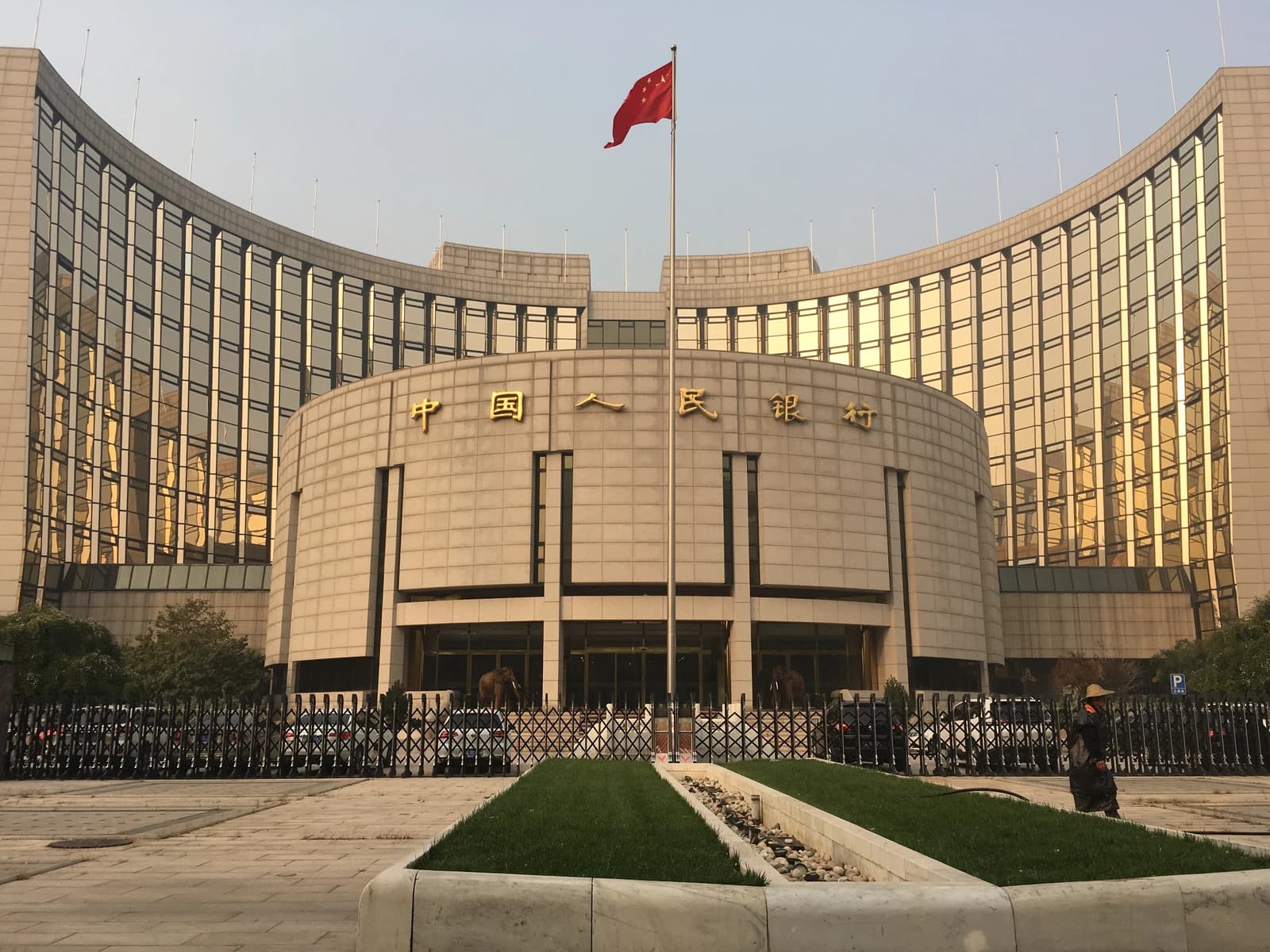
Pakistan is trying to lock in more foreign-currency firepower from its biggest strategic partners, a move that could buy time for a fragile economy still dependent on external funding and IMF discipline.
Islamabad plans to ask China to extend its 30 billion yuan currency-swap line in 2027 after fully using the existing facility, Finance Minister Muhammad Aurangzeb said, while a decision from the United States on a separate $10 billion exchange-stabilization request is expected within two months. For Pakistan, the issue is not just liquidity — it is whether it can avoid another near-term balance-of-payments squeeze while keeping growth, imports and debt service on track.
The request underscores how exposed Pakistan remains to global funding conditions. The government says it has enough oil stocks to get through September and is planning supply through November, but that breathing room does little to solve a larger hard-currency problem. If the China swap is renewed and Washington comes through, Pakistan would strengthen reserves without immediately resorting to another IMF loan, a politically easier outcome and one that would support the rupee and import financing.
That matters because Pakistan’s 7 billion dollar IMF program is still the anchor for market confidence. Aurangzeb said the IMF mission will review the program next week and that Pakistan is largely meeting quantitative and structural targets. That gives the country some credibility, but it also means the external financing hunt remains central: the swap with China, the U.S. facility, and talks with the Exim Bank and the U.S. International Development Finance Corporation are all part of the same effort to stitch together liquidity from multiple sources.
For investors, the implication is straightforward. Any sign that Pakistan can secure additional dollar support without derailing the IMF path could ease pressure on sovereign bonds, improve sentiment toward the rupee and reduce refinancing risk for companies reliant on imports, especially in energy and aviation. Aurangzeb said Exim financing could help with Boeing aircraft purchases for Pakistan International Airlines, while DFC support could aid a 5 billion dollar refinery upgrade plan — the kind of capital spending that becomes viable only when external funding is available and exchange-rate volatility is contained.
The market will also watch the geopolitical subtext. Pakistan is trying to balance China, the United States and the IMF at a moment when Middle East tensions and broader global risk aversion can quickly tighten funding conditions. The government says it can manage the economy for now, but its 4% growth target becomes harder to defend if the conflict drags on into November or December.
Our view is that this is less a one-off financing headline than a reminder that Pakistan’s investable story hinges on external backstops and political alignment. The upside is asymmetric if the swap extension and U.S. facility both materialize: reserves improve, the currency steadies and policy space widens. If they do not, Pakistan stays one shock away from renewed stress. For now, the trade is to watch for confirmation of official support — that is the catalyst that could separate a manageable rollover story from another emerging-market funding scare.
| Entity | Gains | Losses |
|---|---|---|
| Pakistan government | ▲Reserve relief | ▼Immediate funding pressure |
| China | ▲Strategic influence | ▼None materially |
| U.S. lenders/DFC/Exim | ▲Policy leverage | ▼Exposure to Pakistan risk |
| Pakistan bondholders/rupee bulls | ▲Stability upside | ▼Volatility if support fails |