Pakistan cotton advisory on cleaner picking
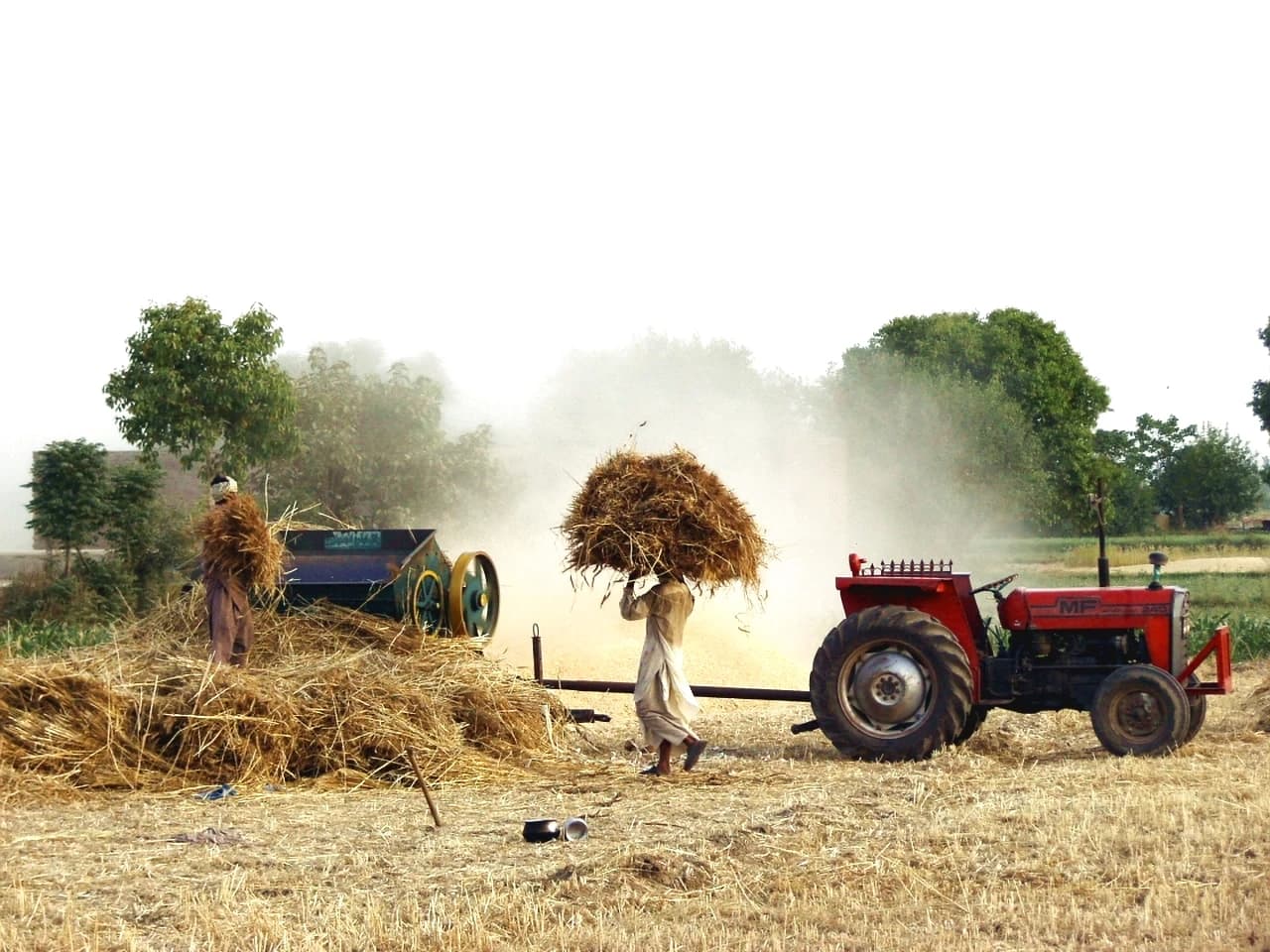
A fresh cotton-picking advisory from Sialkot’s agriculture department underscores a simple but economically important point: when harvest practices are sloppy, farmers lose quality, gin operators face more friction, and exporters risk weaker prices.
That matters because cotton is not just another field crop. It is a supply-chain crop. A cleaner pick can mean less contamination from moisture, dry leaves, twine, hair and other foreign material, and that directly affects how much value the crop keeps once it leaves the field and enters ginning, trading and textile processing. In a country where cotton remains a crucial feedstock for the textile industry and an important export-linked crop, small improvements in harvest discipline can ripple through the entire value chain.
The advisory was unusually specific, which is a clue to the problem it is trying to solve. Farmers were told to start picking at 10 a.m., after dew has dried, and stop by 4 p.m. They were also urged to begin from the lower bolls and move upward, use cotton cloth bags, keep the picked cotton on clean, dry cloth, and make sure women pickers cover their hair to avoid contamination. The department also advised sun-drying the lint for one or two days before storage to reduce moisture.
For investors, the bigger story is not the advisory itself but the message behind it: Pakistan’s cotton sector is still fighting to protect quality at the farm gate. That is important for any business tied to agricultural inputs, ginning, logistics, textile manufacturing or cotton trading, because cleaner cotton improves throughput and reduces losses. It is also relevant to broader agricultural productivity. When governments need to issue field-level reminders on contamination control, it usually means the sector still has room to improve the basics before it can unlock better margins.
The timing also fits a wider push to revive cotton output. News from the broader market points to stronger cotton production and fresh government interest in lifting output further. That makes quality even more important, because higher volumes do little good if the crop loses value before it reaches the mill. In other words, Pakistan does not just need more cotton — it needs better cotton.
For long-term investors, the takeaway is straightforward. Better harvesting standards are not flashy, but they can improve farm incomes, support domestic textile supply chains and reduce waste across the system. If Pakistan can combine higher yields with cleaner picking and stronger pest control, the sector could become more durable and more investable over time. This is the kind of operational improvement that compounds slowly, and it is worth watching.
| Entity | Gains | Losses |
|---|---|---|
| Cotton farmers | ▲Better prices for cleaner lint | ▼Quality penalties from contamination |
| Ginners and textile mills | ▲Easier processing, less waste | ▼More impurities, lower throughput |
| Pakistan’s cotton sector | ▲Higher-value output | ▼Moisture and contamination losses |
| Export buyers | ▲More consistent quality | ▼Uncertain grades and weaker yields |