Pakistan gold, silver prices rise as dollar firms
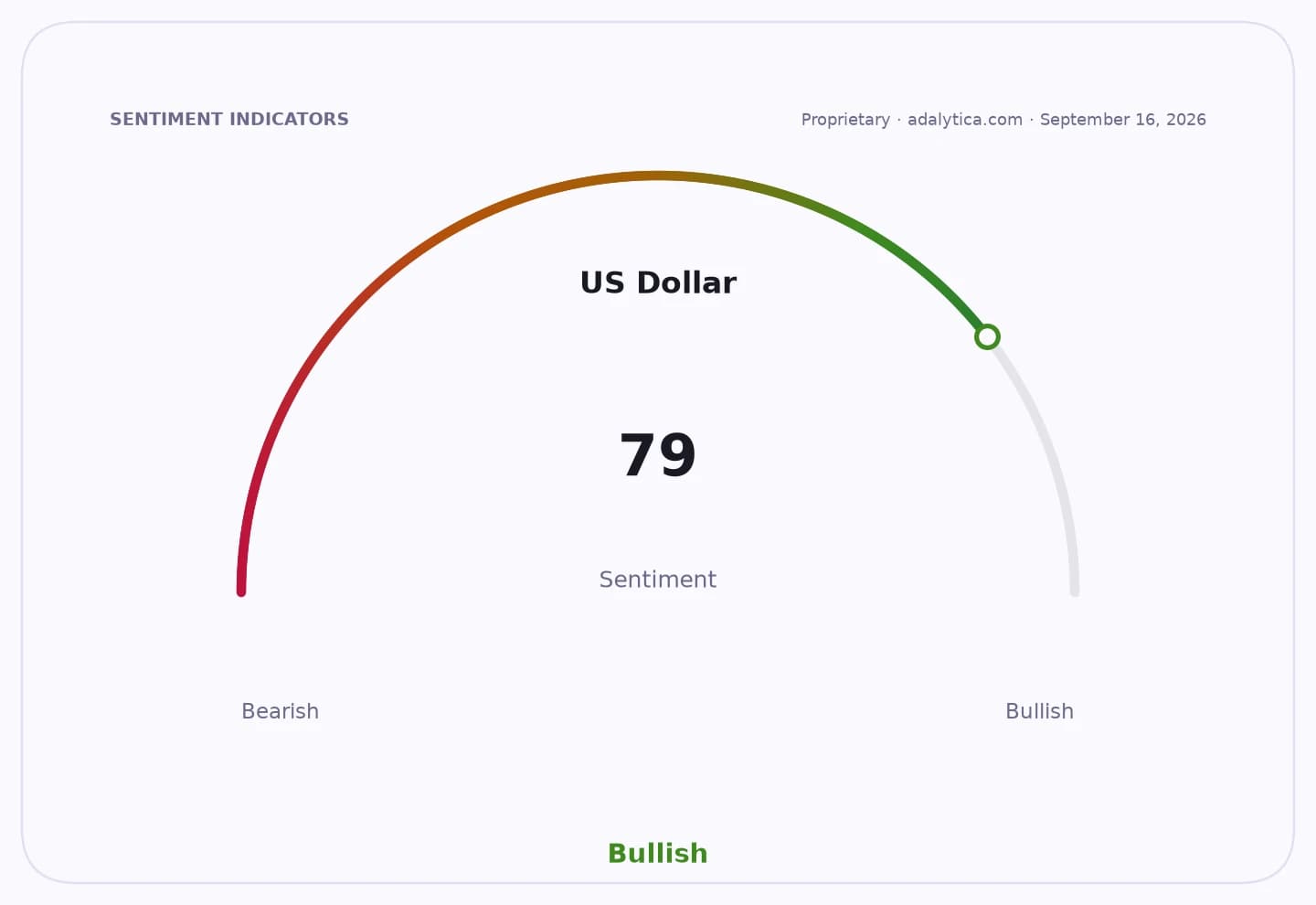
Gold and silver prices in Pakistan have surged sharply, reflecting a broader global bid for bullion as US Treasury yields climb, the dollar firms and investors brace for the Federal Reserve’s next move.
The move matters because it is not just a local retail-price spike. It is being driven by a powerful combination of macro forces that usually shape precious-metals demand: higher US yields, which lift the opportunity cost of holding non-yielding assets; a stronger dollar, which makes dollar-priced bullion more expensive in local currency terms; and renewed demand for a hedge against policy and geopolitical uncertainty.
In international markets, the backdrop remains constructive for metals even after recent volatility. Brent-linked oil prices are not the only commodity under pressure from macro repricing; gold and silver are also reacting to the direction of real rates. The 10-year US Treasury yield is forecast to edge above 5%, a level that typically tightens financial conditions and complicates the case for risk assets, but can also sustain safe-haven flows if investors worry about growth or policy errors. At the same time, gold-linked ETFs are showing mixed but elevated conditions: GLD’s conventional RSI has fallen to around 29, indicating the fund is technically oversold after a sharp pullback from earlier highs, while its price remains below the 200-day moving average. Silver, via SLV, is similarly weak on a technical basis, with RSI in the mid-30s and the price still under its longer-term trend.
That divergence between stretched technicals and persistent macro support is what makes the Pakistan move important. Domestic buyers are not simply responding to charts; they are reacting to import costs, currency dynamics and the global pricing benchmark. When the dollar strengthens, local bullion markets often reprice quickly, and the pass-through can be sharp in countries where retail jewelry and investment demand are sensitive to exchange rates and imported supply. For households, the jump raises the rupee cost of savings in gold and can temper near-term physical demand. For jewelers and traders, it improves turnover only if customers are willing to chase higher prices; otherwise, it risks freezing activity at the retail level.
Investors are watching the same forces through a different lens. The recent decline in gold and silver ETF prices suggests the market has not fully resolved whether the next major move is another safe-haven rally or a deeper correction if the Fed stays restrictive and the dollar keeps rising. Adalytica’s Gold Fear & Greed Index sits at 12, flagged as Extreme Fear, underscoring how sharply sentiment has deteriorated even after earlier euphoria in the year. Yet extreme fear can also mark the kind of washout that eventually attracts bargain hunters if the Fed turns less hawkish or growth data weaken.
For Pakistan, the immediate issue is affordability. For global investors, the larger question is whether the current surge in local bullion prices is the start of a durable new leg higher or merely a currency-driven repricing inside a still-volatile global correction. The next catalyst is the Fed decision, along with any further move in the dollar and US yields, which will determine whether gold and silver can stabilize or face another round of pressure.
| Entity | Gains | Losses |
|---|---|---|
| Pakistani gold sellers | ▲Higher rupee selling prices | ▼Weaker retail demand |
| Pakistani buyers/jewelers | ▲Inventory markups | ▼Higher replacement costs |
| Gold bulls | ▲Safe-haven support | ▼Fed-driven rate pressure |
| US dollar / higher yields | ▲Stronger pricing power | ▼Bullion demand and pricing stability |