Pakistan handset prices rise as chip costs firm in 2026
Global chip inflation is starting to show up where it hurts consumers most: in the cost of smartphones, with Pakistan at risk of higher handset prices as component costs rise across the semiconductor supply chain.
That matters because phones are no longer discretionary luxury items in Pakistan. They are essential tools for work, payments, education and commerce, so even modest price increases can hit household budgets, slow replacement cycles and pressure demand in a market already sensitive to currency weakness and imported inflation.
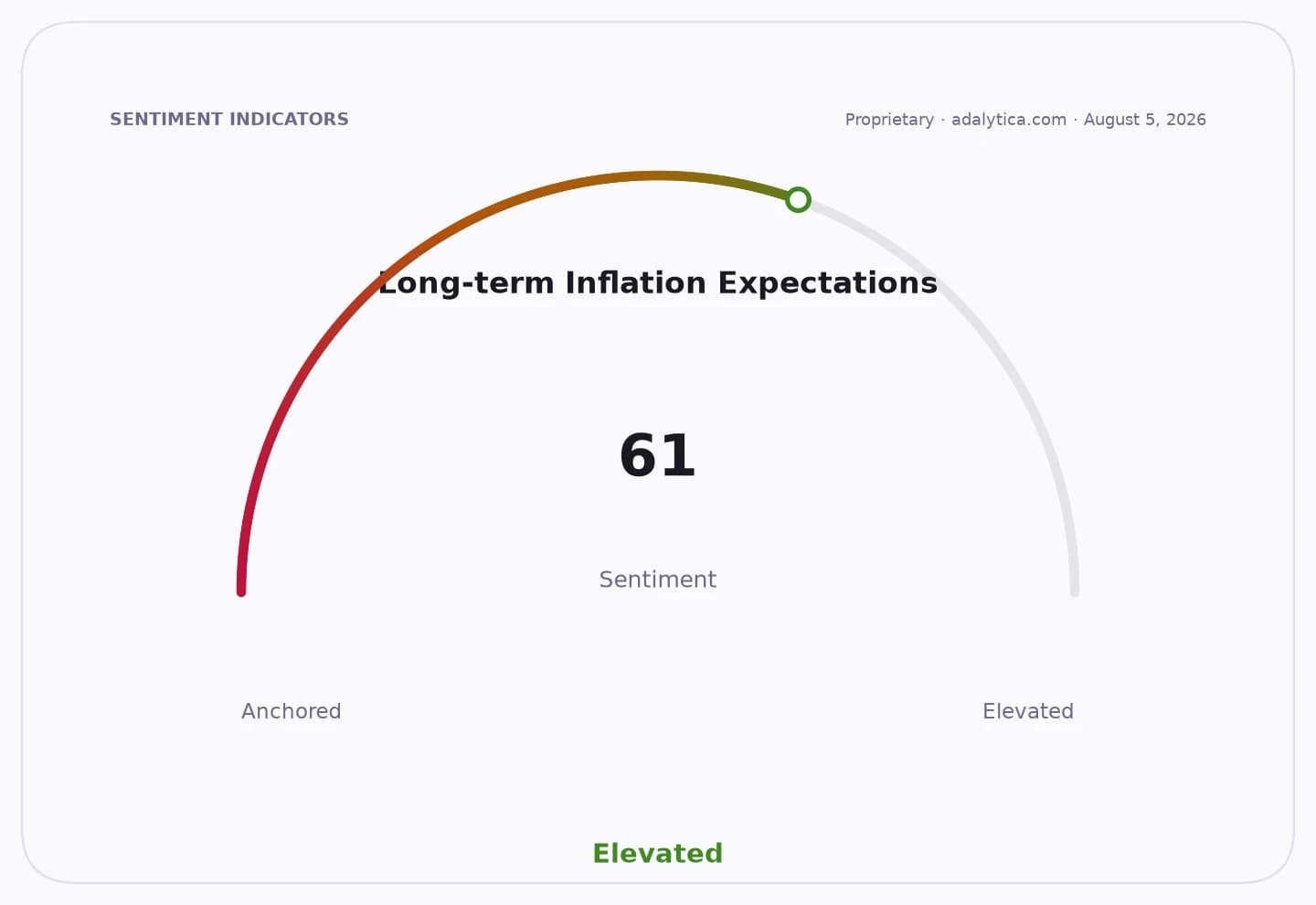
The clearest evidence is in the semiconductor market itself. The global producer price index for chips has climbed to 290.489 in May 2026 from 256.978 in April 2024, and the series is forecast to edge up again to 295.8433 in July. The consumer price index is also running hotter, with the broader price level at 332.568 in June 2026 versus 332.407 in April, reinforcing the idea that cost pressures have not gone away. On top of that, the latest U.S. inflation-expectation gauges tracked by Adalytica.com show heightened awareness around long-term inflation and wage costs, a sign that pricing pressure remains a live market concern.
The strain is already visible in chip stocks and their technical profiles. TSMC has rallied hard, closing at $414.00 on Aug. 5 after a sharp run that pushed its 200-day moving average to $357.72, while Nvidia finished at $219.22, above its 200-day average of $193.41. Qualcomm, by contrast, has been more fragile, closing at $157.53 and sitting below its 200-day average of $167.82 after a steep slide from late-May highs. That split tells you this is not a clean demand story — it is a pricing story, with the winners being the suppliers closest to scarce, high-value compute and the losers being device makers and consumers downstream.
For Pakistan, the risk is especially acute because the country imports most of its mobile handsets and components. When memory, logic chips and other inputs become more expensive globally, local distributors rarely absorb the full hit. It tends to work its way into retail pricing, smaller model availability or thinner margins for importers and retailers. If the rupee weakens at the same time, the pass-through can be even faster.
Investors should treat this as more than a Pakistan-specific consumer story. It is another signal that AI-driven demand is tightening the chip ecosystem, and that the inflation impulse is spreading from datacenter hardware into everyday electronics. That creates an asymmetric opportunity in the infrastructure layer — foundries, advanced packaging, high-end memory and AI semiconductors — while pressuring handset assemblers, budget phone brands and markets that rely on imported devices.
The market may still be underestimating how long this cycle lasts. If chip pricing keeps firming into the second half of 2026, Pakistan’s phone prices could move higher just as consumers are already stretched. The actionable takeaway is to stay long the picks-and-shovels of AI hardware and cautious on downstream device names exposed to component inflation and weaker end-demand.
| Entity | Gains | Losses |
|---|---|---|
| TSMC | ▲Foundry pricing power | ▼Handset makers |
| Nvidia | ▲AI demand tailwind | ▼Budget device buyers |
| Qualcomm | ▲Premium chip exposure | ▼Price-sensitive phone importers |
| Pakistani consumers | ▲— | ▼Higher handset prices |