Pakistan Inflation Rises to 11.1% in August
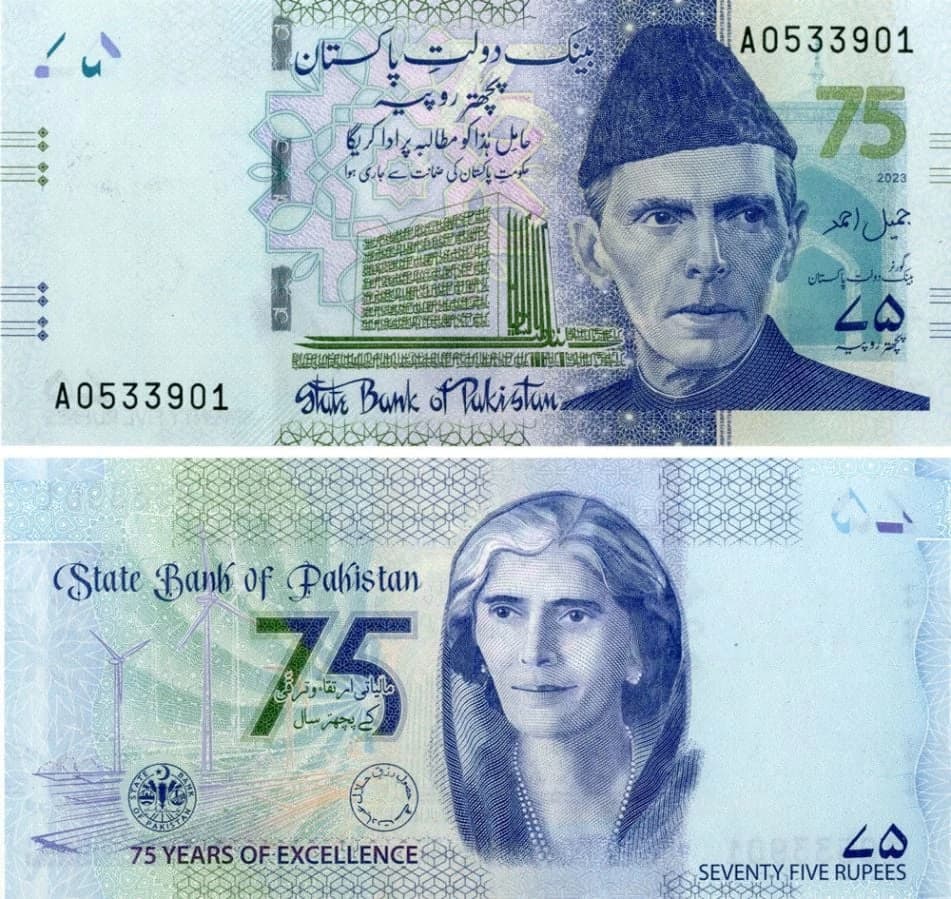
Pakistan’s inflation accelerated to 11.1% in August, the fastest jump in annual prices among 93 countries tracked in a BestBrokers comparison, underscoring how imported energy costs, food shortages and tax-heavy fuel pass-through are squeezing households and complicating policy.
The 1.9 percentage-point rise from 9.2% in July was the sharpest month-to-month acceleration in the dataset, matching Fiji, and took Pakistan back into double-digit inflation after a brief reprieve. The reading matters less as a global ranking than as a sign that price pressures remain embedded in an economy already strained by rising poverty, higher unemployment and weak domestic demand.
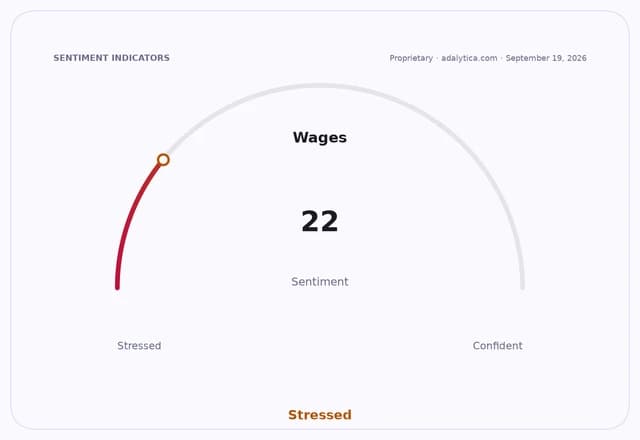
BestBrokers said the latest surge was driven by food, energy and imported-cost pressures that tend to flow through transportation, production and retail prices. That is the inflation mix that is hardest for policymakers to tame because it is not just a demand problem: it reflects a shortage of affordable supply in a country reliant on imported fuel and exposed to global commodity shocks.
The timing is also awkward for the State Bank of Pakistan. The central bank had said in its August policy report that inflation should ease gradually and move toward the upper end of its 5%-7% target range by the end of the 2026-27 fiscal year. August’s print suggests that path may be slower and bumpier, keeping pressure on real interest rates, household purchasing power and business costs.
For investors, the implications are broader than Pakistan’s consumer basket. Persistently high inflation raises the odds that policymakers stay cautious on rate cuts, which can support local currency assets in the short term but also prolong strain on growth. It also reinforces the case for exposure to hard assets and energy-linked trades when Pakistan’s import bill rises with oil prices and supply disruptions.
The inflation spike comes as Pakistan’s economic stress deepens. A separate report cited by The Friday Times said poverty rose to 28.9% in FY26 from 21.9% a year earlier, while unemployment increased to 7.1% from 6.3%, leaving 5.9 million people out of work. That backdrop means higher prices are feeding directly into social pressure, not just macroeconomic statistics.
Government policy has also added to the squeeze. The report said the state has passed international fuel costs and multiple taxes directly to consumers, while provincial authorities have struggled to keep wheat supplies adequate. In a country where food and transport take up a large share of household spending, those channels can quickly turn a commodity shock into a broader cost-of-living crisis.
Pakistan was not the world’s highest-inflation economy in August — Argentina and Turkey were far above it at 33.5% and 31.51% — but it posted one of the most abrupt accelerations. That is what matters to markets: inflation momentum often shapes expectations for currencies, bonds and policy credibility more than the headline level alone.
The near-term test is whether softer oil prices, tighter fiscal discipline and continued reserve support can offset imported inflation before it becomes entrenched. If not, Pakistan risks another round of weaker consumption, tighter policy and political pain just as households are already struggling to absorb higher food and fuel bills.
| Entity | Gains | Losses |
|---|---|---|
| Pakistani exporters | ▲More competitive pricing abroad | ▼Import-cost inflation |
| Pakistani households | ▲None | ▼Purchasing power |
| State Bank of Pakistan | ▲Policy flexibility if inflation eases | ▼Rate-cut room |
| Oil importers | ▲Lower crude prices | ▼Fuel-cost volatility |