Pakistan inflation stays high for food and fuel
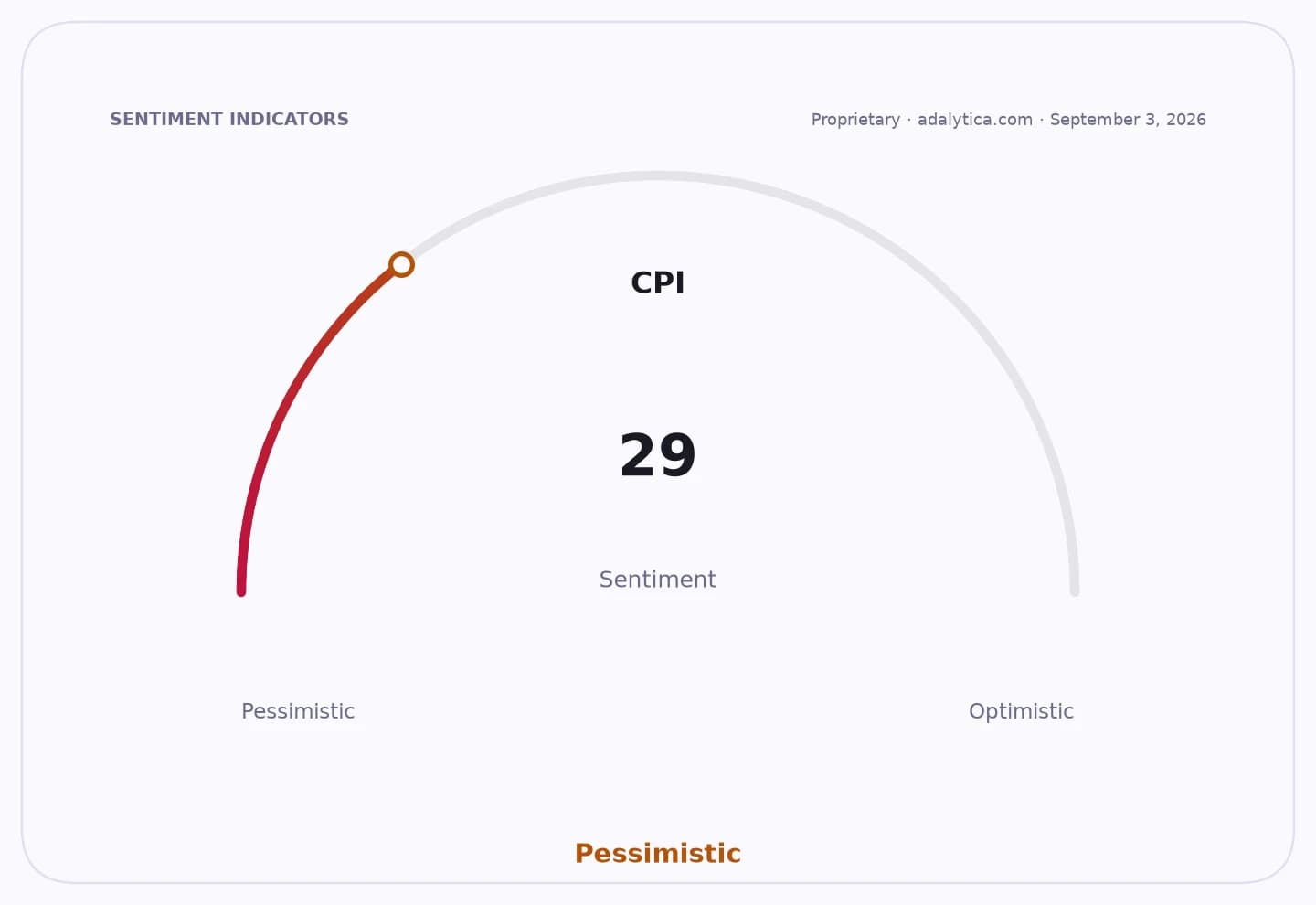
Pakistan’s inflation problem is still doing the most damage where it hurts most: in the wallets of low-income households that spend the bulk of their income on food, cooking oil and fuel.
Annual consumer inflation eased to 2.9% in August, but that headline slowdown is not what ordinary families in Lahore or other big cities are feeling at the market. Prices of essentials such as vegetables, ginger, garlic, oil and sugar remain elevated, and that keeps real living costs under pressure even when the broad CPI number looks calmer. For investors, that matters because persistent food inflation can restrain consumer demand, complicate policy and keep Pakistan’s economic recovery fragile.
The bigger story is that inflation in Pakistan has become uneven and deeply regressive. When basic groceries stay expensive, the pain is concentrated among workers and poorer households that have little cushion and no ability to trade down. That can curb spending on everything else, from clothing to transport to discretionary goods, which in turn limits growth across the wider economy.
There is also a market angle. Pakistan’s currency has been relatively stable in recent sessions, with the rupee trading around 276 to the dollar, but that stability does not erase the impact of earlier price shocks or import dependence. The U.S. dollar’s strength, reflected in the dollar index near 99, also matters because a firmer greenback can keep imported food, fuel and industrial inputs expensive for emerging markets. Pakistan’s 10-year yield near 4.8% and the policy rate at 3.63% show that inflation expectations and borrowing costs remain part of the macro equation, even if the central bank has room to keep rates contained for now.
That combination leaves policymakers with a delicate balance. If they lean too hard against inflation, they risk slowing growth further. If they keep policy loose while food prices remain sticky, poorer households absorb the shock and consumer confidence weakens. Either way, the burden falls on the same group: families with the least pricing power and the least savings.
For investors, the key is not to treat Pakistan’s latest CPI reading as a clean all-clear. Food inflation can stay painful even when the headline number falls, and that means the domestic consumer story remains more selective than broad-based. Companies with pricing power, export exposure or dollar-linked earnings are better positioned than those dependent on stretched household budgets. For long-term investors, Pakistan still looks like a market where patience and selectivity matter more than chasing a headline inflation dip.
| Entity | Gains | Losses |
|---|---|---|
| Low-income households | ▲Slight relief from lower headline CPI | ▼High food and fuel bills |
| Pakistan policymakers | ▲More room on policy rates | ▼Pressure to protect consumers |
| Exporters | ▲Stronger relative competitiveness | ▼Importers facing costly inputs |
| Domestic retailers | ▲Essential-goods volume resilience | ▼Weaker discretionary spending |