Pakistan KSE-100 Falls 0.97% as Oil Rises
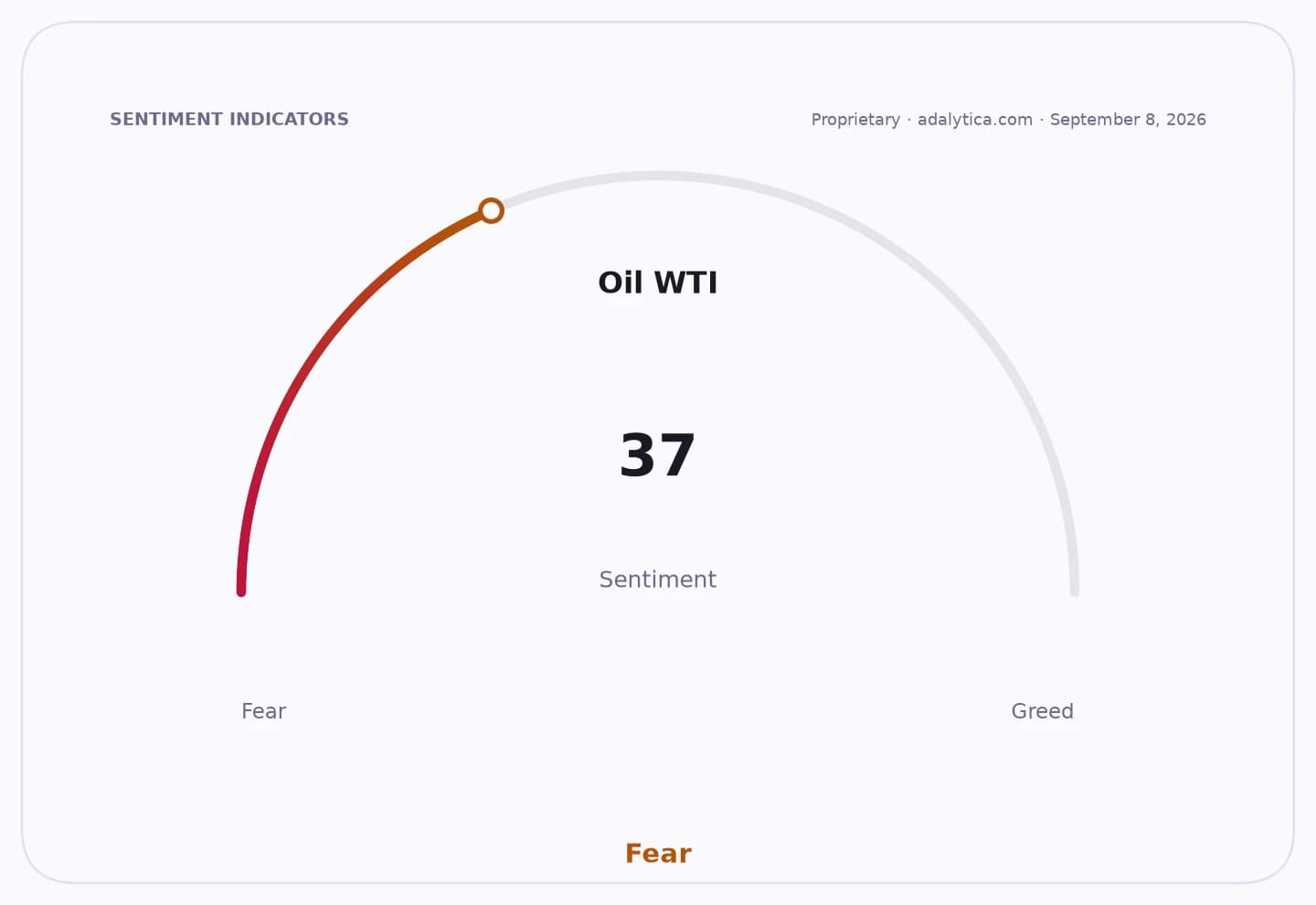
Pakistan’s stock market was knocked lower on Monday as surging crude prices and fresh tension around the Strait of Hormuz reminded investors how quickly geopolitics can turn into a domestic economic problem.
The KSE-100 index dropped 1,692.74 points, or 0.97%, to close at 173,603.75, slipping below the 174,000 level and moving closer to July lows. That matters because Pakistan is still highly exposed to imported energy, so every jump in oil feeds directly into the trade deficit, inflation and pressure on the rupee. For long-term investors, this is the kind of macro shock that tends to hit earnings expectations across the market, not just the obvious oil names.
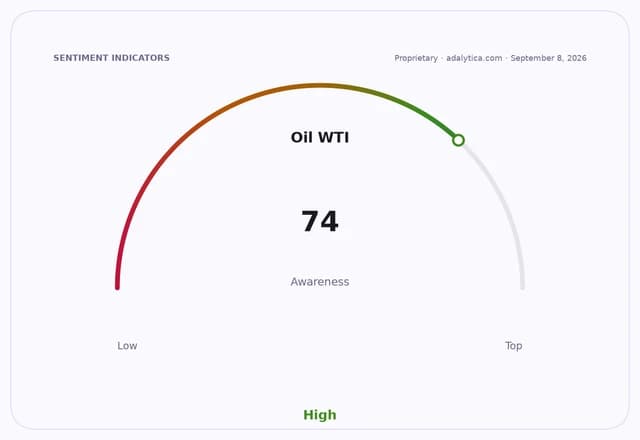
The selling was broad and largely defensive. Oil marketing companies, banks, cement makers, refineries and auto assemblers all came under pressure as traders priced in the risk of a bigger import bill and weaker consumer demand. UBL, OGDC, Pakistan Petroleum, MCB, Fauji Fertilizer, Lucky Cement, Bank AL Habib and Attock Refinery were among the main drags. Only 12 shares rose while 87 fell, a sign that this was not a stock-specific wobble but a clear risk-off session.
The trigger was the jump in global crude after tit-for-tat US-Iran strikes and vessel-related tensions near Hormuz stoked fears of prolonged disruption to Middle East supply. That is especially important for Pakistan because higher oil prices can quickly filter into transport costs, utilities, fertilizer and industrial margins. In other words, the market is not just reacting to Brent on a screen; it is reacting to the possibility that inflation stays sticky and the central bank has less room to be patient.
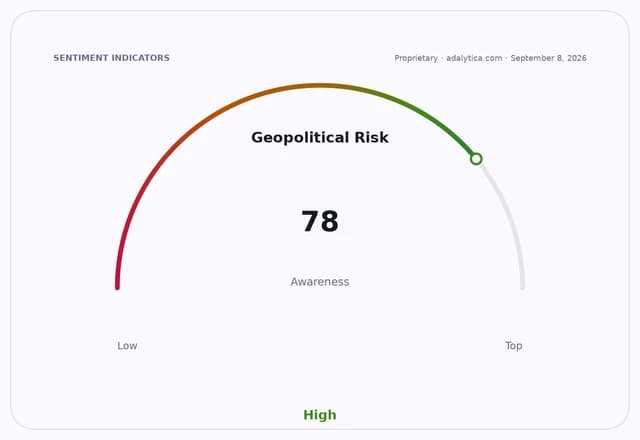
There were a few standouts on the upside. Pakistan Services jumped after media reports of an out-of-court settlement tied to a long-running ownership dispute, though the company later said the cases remain sub judice and it had no knowledge of the report’s contents. Askari Bank and Adamjee Insurance also gained. But those bright spots were overwhelmed by the broader de-risking.
Trading activity also cooled, with volumes falling to 679.2 million shares from 874.3 million on Friday. Foreign investors were net sellers worth Rs122.5 million, reinforcing the cautious tone. Cnergyico Pk was the most traded name, though it also fell, which is typical when investors use liquid oil-linked stocks as a proxy for macro anxiety.
For investors, the key question is whether this is a brief headline-driven pullback or the start of a more durable valuation reset. If crude stabilizes, Pakistan equities could recover quickly because local stocks still trade on the hope of improving macro stability. But if the Middle East tension deepens and oil keeps climbing, the pressure on inflation, the external account and corporate margins will likely keep the KSE-100 under strain.
That is why this market move matters beyond a single bad day: it is a reminder that Pakistan’s stock market remains one of the most geopolitically sensitive in emerging markets. Long-term investors should keep watching energy prices, the rupee and import costs closely, because they will determine whether this selloff becomes an opportunity or a warning.
| Entity | Gains | Losses |
|---|---|---|
| Oil producers | ▲Higher crude-linked pricing power | ▼None directly |
| Pakistani consumers | ▲None | ▼Higher fuel and inflation pressure |
| KSE-100 bulls | ▲Possible dip-buying if oil eases | ▼Near-term sentiment shock |
| Import-heavy sectors | ▲None | ▼Weaker margins and demand |