Pakistan LNG Shock Boosts Exporters, Pressures Importers
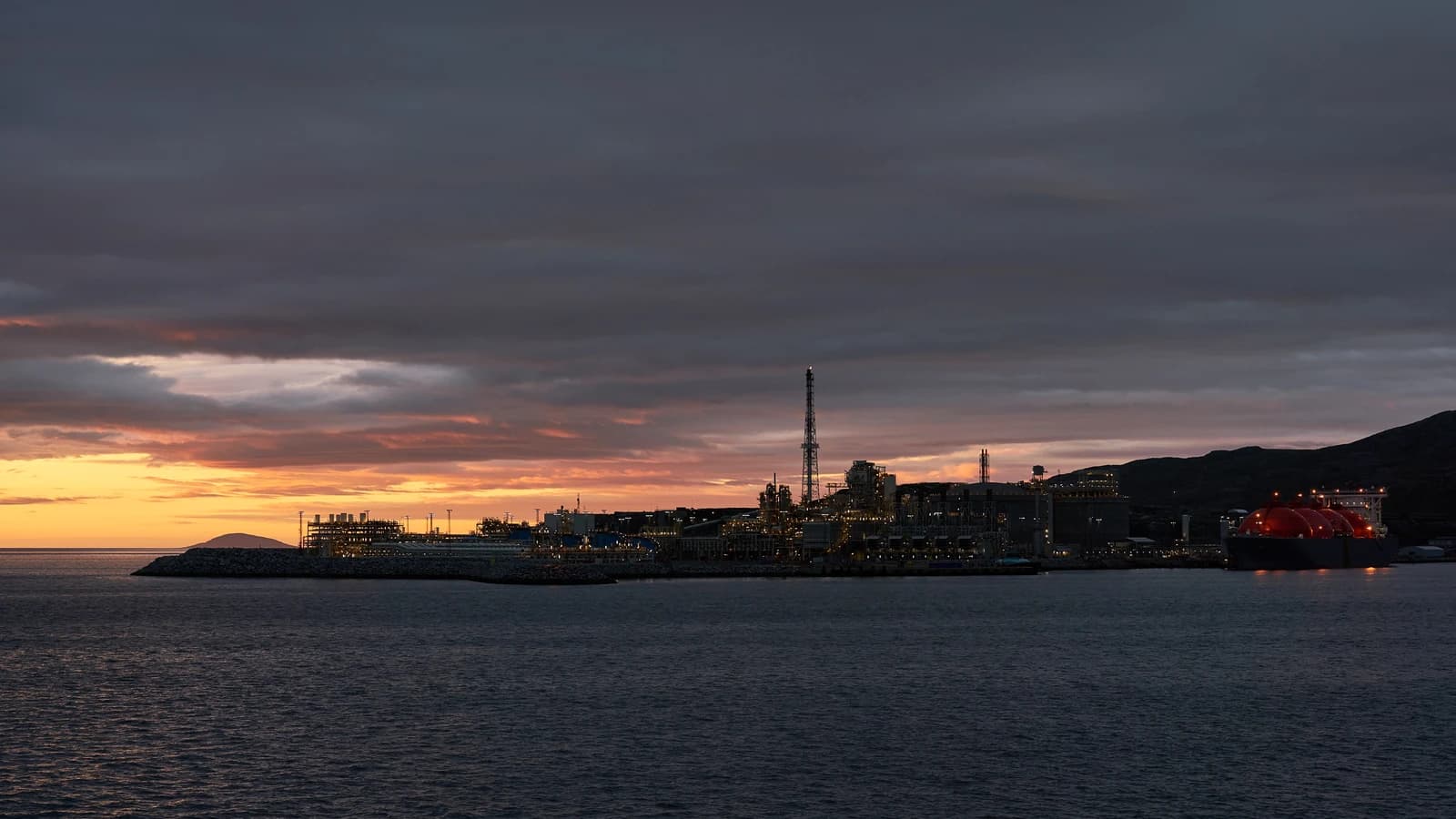
Pakistan’s scramble to secure emergency LNG after Qatar canceled a cargo underscores how quickly geopolitical shocks can tighten an already fragile gas market and raise costs for import-dependent buyers.
The immediate issue is not just one missed shipment. It is the vulnerability of South Asian buyers, and the wider LNG market, to disruption around the Strait of Hormuz, a chokepoint that carries a large share of the world’s seaborne gas and crude. When a key supplier steps back because of security risks, the burden shifts to spot buyers that must chase cargoes in a thinner market, often at higher prices and with less flexibility on timing. For countries such as Pakistan, which relies on imported gas to balance power generation and industrial demand, even a single canceled cargo can ripple into fuel costs, electricity planning and foreign-exchange pressure.
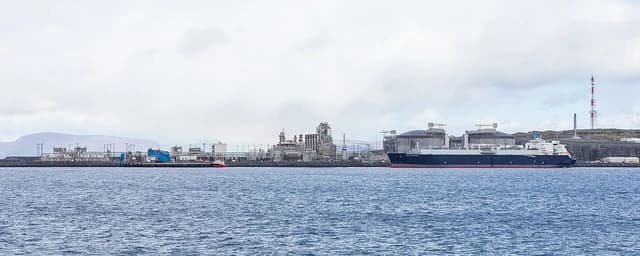
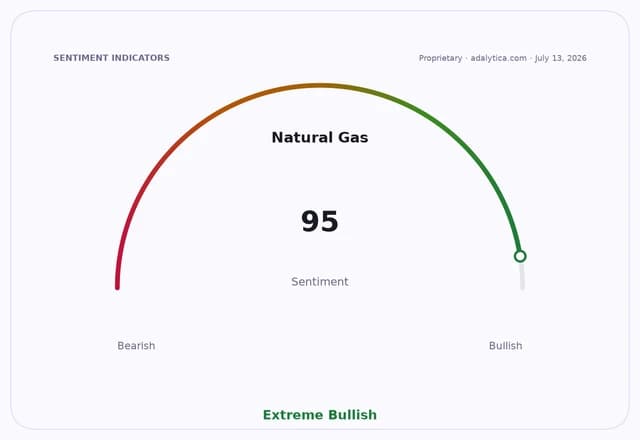
The market reaction suggests traders are already pricing in that stress. U.S.-listed Cheniere Energy, a major LNG exporter, has climbed to $258.64, well above its 50-day moving average of $243.59, while its RSI reading of 79.5 points to stretched momentum after a sharp summer run. Shell, another major LNG player, has recovered to $82.23 from a recent low near $76.57, with its share price moving back above its 50-day average. The broader natural-gas tape is also flashing heat: Adalytica’s Natural Gas Market Trade Signals show sentiment at 95, labeled Extreme Greed, after a 75-point jump over the past week. That kind of positioning often reflects expectations for tighter supply and firmer near-term pricing, but it also raises the risk of a pullback if disruption fears ease.
For Pakistan, the economics are more immediate and less forgiving. Emergency LNG purchases are usually the most expensive way to cover a shortfall because buyers lose the benefit of long-term contract pricing and must absorb freight, timing and counterparty risk. That can widen the country’s import bill just as policymakers are trying to stabilize power costs and preserve reserves. The fact that Qatar, one of the world’s most reliable LNG suppliers, can still be forced to cancel cargoes because of security concerns is a reminder that contract certainty does not eliminate geopolitical risk when the shipment itself must pass through a contested waterway.
The bigger narrative is that LNG has become less of a purely commercial commodity and more of a strategic asset shaped by regional conflict. The latest disruption also fits a broader pattern of elevated global stress, with Adalytica’s Global Stability Sentiment at 15, or Extreme Fear, even as market awareness remains high. That combination usually favors producers and shipping-linked firms over importers, but it also argues for higher risk premiums across the LNG chain.
For investors, the key question is whether this becomes a one-off interruption or part of a more persistent supply squeeze. If regional tensions remain elevated, spot LNG prices could stay supported and exporters with flexible cargo portfolios may benefit. If the security situation stabilizes, the immediate premium may fade quickly. Either way, the episode reinforces a familiar lesson: in LNG, geopolitics can move faster than infrastructure, and importers like Pakistan remain the most exposed when it does.
| Entity | Gains | Losses |
|---|---|---|
| LNG exporters | ▲Higher spot pricing | ▼Less immediate |
| Pakistan | ▲Emergency supply cover | ▼Higher import bill |
| QatarEnergy | ▲Limited direct exposure | ▼Cargo reliability risk |
| LNG importers | ▲Short-term optionality | ▼Supply uncertainty |