Pakistan Middle Class Squeezed by Utility and Service Costs
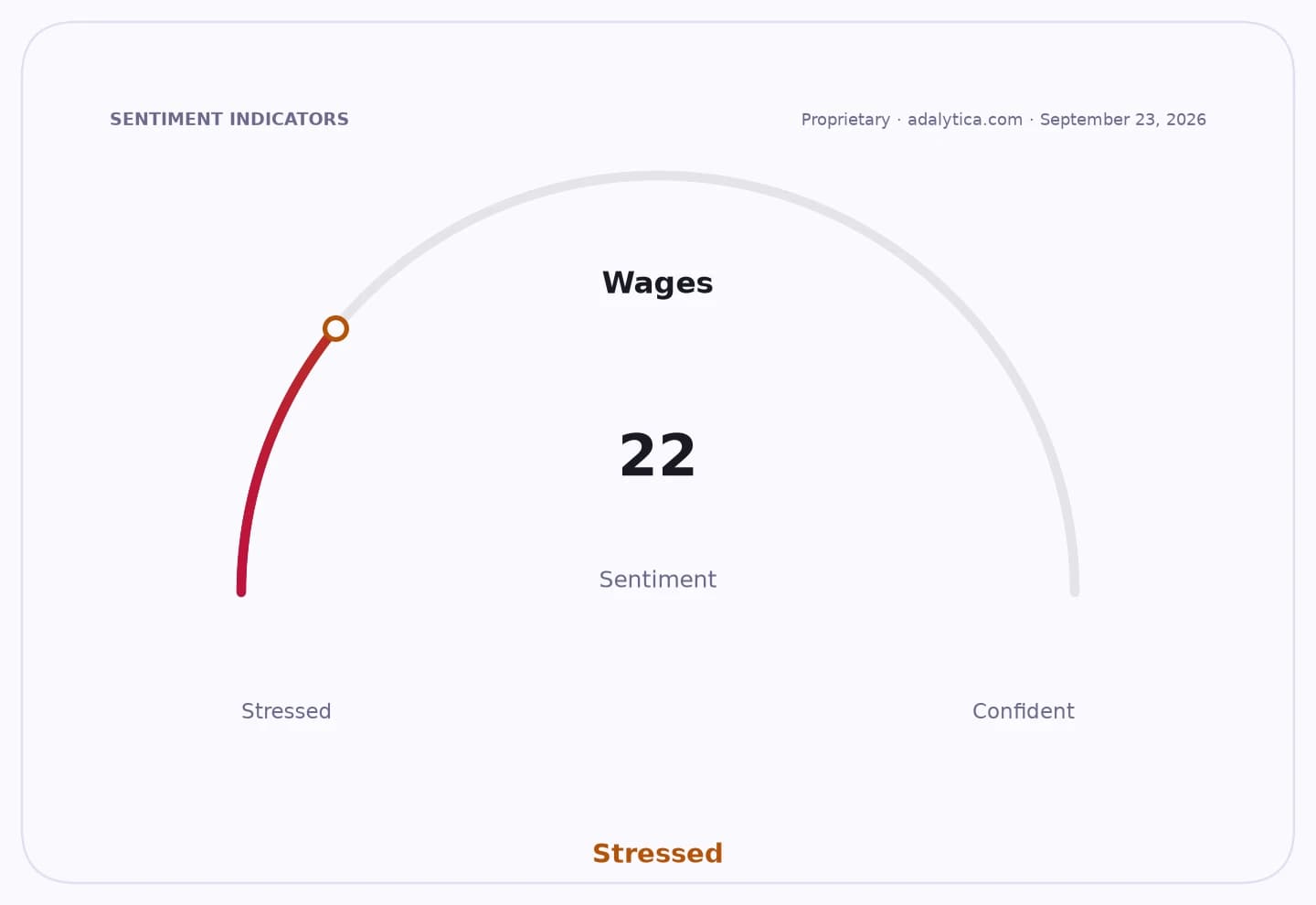
Pakistan’s middle class is being squeezed by a slow but broad deterioration in public services that is forcing families to pay privately for essentials once covered, or at least subsidized, by the state.
That matters because the strain is no longer just a story of inflation. It is becoming a structural drag on consumption, savings and social mobility in an economy where ordinary salaried households have very little cushion left.
Official data for 2024-25 showed average monthly household income at Rs82,179 against spending of Rs79,150, leaving a margin of just over Rs3,000. For many urban and lower-middle-income families, that gap is too thin to absorb an illness, a school-fee increase or a jump in electricity charges without cutting other spending or borrowing.
The pressure is most visible in utilities, especially power. Pakistan’s electricity sector remains burdened by circular debt, costly generation and distribution losses, and those costs continue to be passed through to consumers via tariffs and surcharges. Proposed reforms linked to the International Monetary Fund programme are likely to keep rates under scrutiny, but they also heighten the risk that middle-income households absorb more of the adjustment.
The economic significance is larger than a single bill. When families must pay for private schooling because public education has weakened, or use private hospitals because state healthcare is unreliable, household budgets are being reallocated away from discretionary consumption and into non-productive expense. That tends to suppress demand for everything from retail goods to transport and small services, while also widening the gap between households that can pay and those that cannot.
Electricity is especially important because it is embedded in modern life. It powers refrigeration, water pumping, remote work, schooling and cooling in a country facing hotter summers. For a family already spending most of its income, higher power costs are not merely an inflationary inconvenience; they become a direct threat to household resilience.
For investors, that has two implications. First, the strain supports a bearish view on broad domestic consumption in Pakistan, where volume growth is likely to remain weak if real disposable income continues to be eroded by utility costs and private fees. Second, it raises political and regulatory risk around tariff reform: utility pricing may improve sector finances and help satisfy lenders, but aggressive pass-throughs can deepen affordability stress and trigger backlash.
The bull case is that reforms, however painful, are necessary to stabilise the power sector and reduce leakages over time. The bear case is that without visible gains in service quality and income growth, higher tariffs and private substitution will keep squeezing the same salaried households that are supposed to anchor demand and tax revenues.
What happens next will depend on whether Pakistan can slow utility inflation and restore basic public provision without derailing IMF-backed adjustments. If not, the middle class will keep paying more for less, and the cost will show up not only in family budgets but in the broader economy’s growth profile.
| Entity | Gains | Losses |
|---|---|---|
| Power utilities / lenders | ▲Better cost recovery | ▼Household affordability |
| IMF-backed reformers | ▲Sector discipline | ▼Political support |
| Middle-class households | ▲Limited protection if services improve | ▼Disposable income |
| Private schools / hospitals / water vendors | ▲Higher demand | ▼Public sector providers |