Pakistan MILDEN Interest, Defense Suppliers Benefit
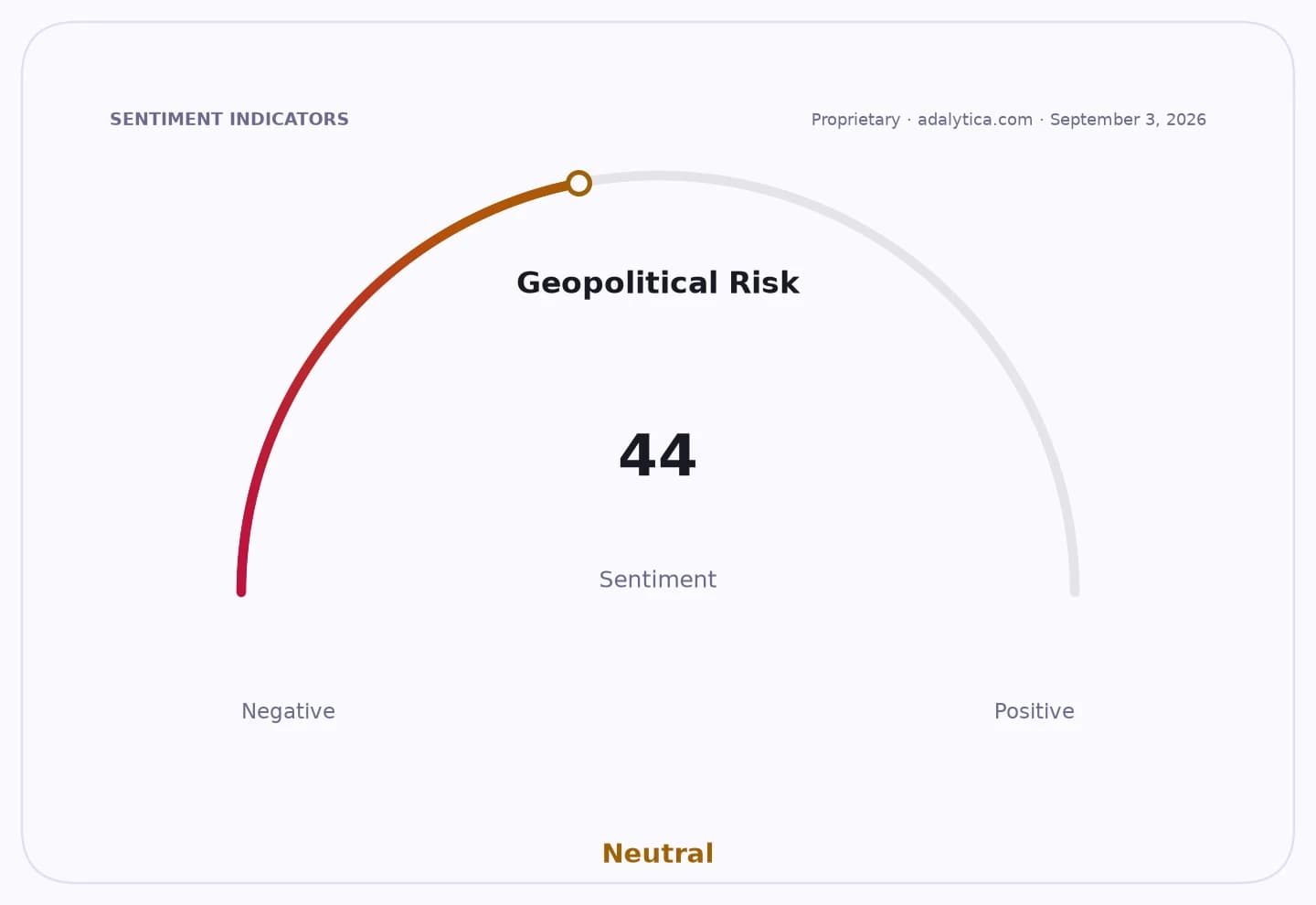
Pakistan’s reported interest in Türkiye’s MILDEN submarine program could deepen the undersea arms race in the Indian Ocean, and the market is still underestimating how much that favors Western and allied defense suppliers with exposure to submarines, sensors and missile systems.
The strategic significance is straightforward: a Turkish-designed boat with hybrid deterrence features, vertical launch capacity and air-independent propulsion would give Pakistan a more survivable conventional strike platform at sea, complicating India’s navy planning and raising the stakes in the Arabian Sea. For investors, that means more spending on anti-submarine warfare, maritime surveillance, combat systems and long-cycle naval modernization — the kind of demand that tends to flow first to prime contractors and specialty suppliers.
The MILDEN project itself is built as a large platform, more than 80 meters long and wider than 7 meters, with 533mm torpedo tubes able to carry heavyweight torpedoes and anti-ship cruise missiles. It is also expected to incorporate HY-100-class steel, fuel-cell air-independent propulsion and lithium-ion batteries, alongside indigenous subsystems. Turkish officials have said the first delivery is planned for 2032, a reminder that submarine programs are not quick-turn headlines but decade-long procurement pipelines that lock in maintenance, upgrades and weapons integration well beyond launch.
That matters because Pakistan is not looking for a symbolic platform. Retired Pakistani Vice Admiral Ahmad Saeed has argued the navy would favor a hybrid solution rather than a nuclear-powered fleet, and the MILDEN concept appears tailored to that doctrine. If Karachi decides to buy into a Turkish architecture, the result would be a more flexible conventional deterrent that can be configured for land-attack cruise missiles and potentially submarine-launched ballistic missiles through a vertical launch system. India would then be forced to widen its own counter-submarine investment, from patrol aircraft and sonar networks to surface escorts and underwater surveillance.
For the defense complex, the implication is bigger than one export deal. Submarine competition tends to pull through a broad industrial chain: steel, propulsion, battery systems, launch tubes, combat management software, sonar, torpedoes and shipyard integration. That is why names such as Lockheed Martin, Northrop Grumman and Huntington Ingalls deserve attention, even when the immediate story appears centered on Turkey and Pakistan. Lockheed trades at about $536 after a sharp pullback from earlier highs, while Northrop sits near $531 and Huntington Ingalls around $296; all three have been volatile, but the secular demand backdrop for naval deterrence remains intact. When geopolitical risk rises, undersea warfare is one of the clearest capital-allocation beneficiaries.
The broader narrative is that the world’s maritime flashpoints are moving from surface symbolism to hidden, asymmetrical platforms that are harder to detect and far more expensive to counter. Pakistan’s interest in MILDEN fits neatly into that trend, and it reinforces why investors should stay positioned for the long tail of defense capex tied to Indo-Pacific and Middle East security. The market may be focused on headlines, but the opportunity is in the procurement cycle that follows.
| Entity | Gains | Losses |
|---|---|---|
| Türkiye / ASFAT | ▲Export momentum | ▼none |
| Pakistan Navy | ▲More survivable deterrence | ▼Higher procurement burden |
| India Navy | ▲none | ▼Greater undersea threat |
| Western naval contractors | ▲More ASW and submarine spending | ▼Budget pressure elsewhere |