Pakistan SK Hydro marks 2 years of operations
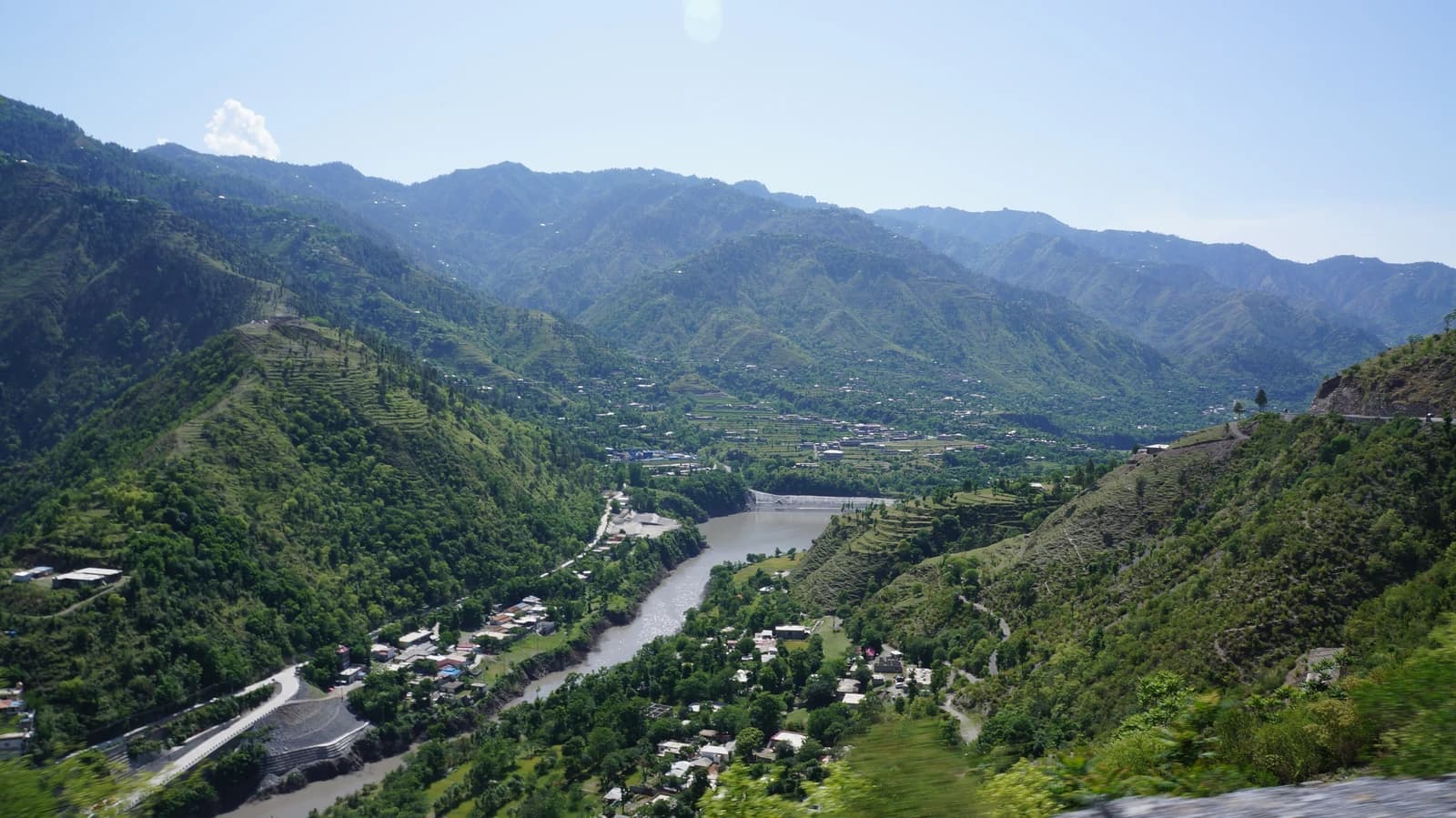
The celebration at the SK Hydro Power Station matters less as a ceremonial milestone than as a reminder that Pakistan’s most visible China-backed infrastructure can still generate political goodwill, clean power and local economic spillovers at a time when energy security remains one of the country’s biggest constraints.
The event marked 75 years of Pakistan-China diplomatic relations, 10 years since the project’s foundation stone was laid and two years of commercial operations at the hydro station built under the China-Pakistan Economic Corridor. That combination gives Beijing and Islamabad a ready-made showcase: a large-scale power asset that can be sold as proof the corridor is still producing tangible results, not just debt and headlines.
For Pakistan, that matters economically because dependable generation is still a prerequisite for industrial growth, lower import dependence and a more stable power mix. Officials at the ceremony said the plant is helping supply clean electricity, reduce reliance on conventional fuels and strengthen energy security. In a country that has long battled expensive imported energy and weak grid economics, each megawatt of domestic hydro output carries macro value well beyond the project site.
The project also fits into the broader debate over whether CPEC can evolve from a transport-and-construction story into a higher-quality energy partnership. Chinese and Pakistani officials framed SK Hydro as part of an “upgraded” CPEC, emphasizing environmental compliance, biodiversity protection and local social development. The details matter because future Chinese capital flows into Pakistan will depend not only on geopolitics, but on whether projects can be shown to work operationally and socially over time.
That is why the support programs disclosed at the event are more than symbolic. The company said it has supported 63 local students through scholarships over three years and released more than 5,000 fish into the Kunhar River to support the ecosystem. Those are small figures next to the power station itself, but they help build the political and social license that large infrastructure projects need in fragile operating environments.
Investors should read the message carefully. Pakistan’s energy story is still about infrastructure reliability, foreign capital and policy credibility. China’s role in the sector remains strategically important, and projects that demonstrate stable operations, local engagement and clean-energy output are more likely to stay politically resilient than assets seen only as balance-sheet burdens. In that sense, SK Hydro is a template for what can keep CPEC investable.
The market implication is straightforward: the beneficiaries are the operators, contractors and policymakers tied to durable clean-power assets, while the losers are imported-fuel suppliers and any narrative that treats CPEC as a dead end. If Pakistan can keep more projects like SK Hydro running efficiently, the next phase of Chinese investment could be less about headline infrastructure and more about long-duration cash-flow assets with real strategic value.
| Entity | Gains | Losses |
|---|---|---|
| SK Hydro / CPEC operators | ▲Political support, operating credibility | ▼None material |
| Pakistan’s power system | ▲Cleaner domestic generation, better energy security | ▼Imported-fuel dependence |
| China-backed infrastructure lenders and builders | ▲Proof of viable flagship projects | ▼Skeptics of CPEC viability |
| Fossil fuel importers | ▲— | ▼Demand for imported conventional fuel |