Pakistan Used-Car Prices Stay High for Toyota and BMW
Used-car prices for Toyota and BMW models remain high in Pakistan, underscoring how import costs, currency pressure and stubborn auto inflation are keeping ownership expensive for consumers and supporting resale values for sellers.
The market is being shaped by a wider squeeze across the auto sector as manufacturers keep adjusting prices and incentives, while buyers gravitate toward fuel-efficient sedans, MPVs and hybrids that hold value better in a tight financing environment. For investors, the message is that pricing power remains with brands that have strong resale demand, especially Toyota, while premium imports and hybrid nameplates continue to trade at a significant premium.

Among the listings, Toyota’s Land Cruiser 2024 is priced at PKR 156.829 million, far above mass-market alternatives and a sign of the premium attached to scarce imported SUVs. Other Toyota models remain costly as well, including the Hilux 2024 at PKR 16.149 million, the Prius 2024 at PKR 14.649 million, the Fortuner 2022 at PKR 14.699 million and the Corolla 2024 at PKR 6.169 million.
That spread matters economically because vehicle prices feed directly into household spending power, financing demand and secondhand-market turnover. When prices stay elevated, buyers delay upgrades, shift to smaller models or extend ownership cycles, which can cool showroom traffic even as it props up used-car values.
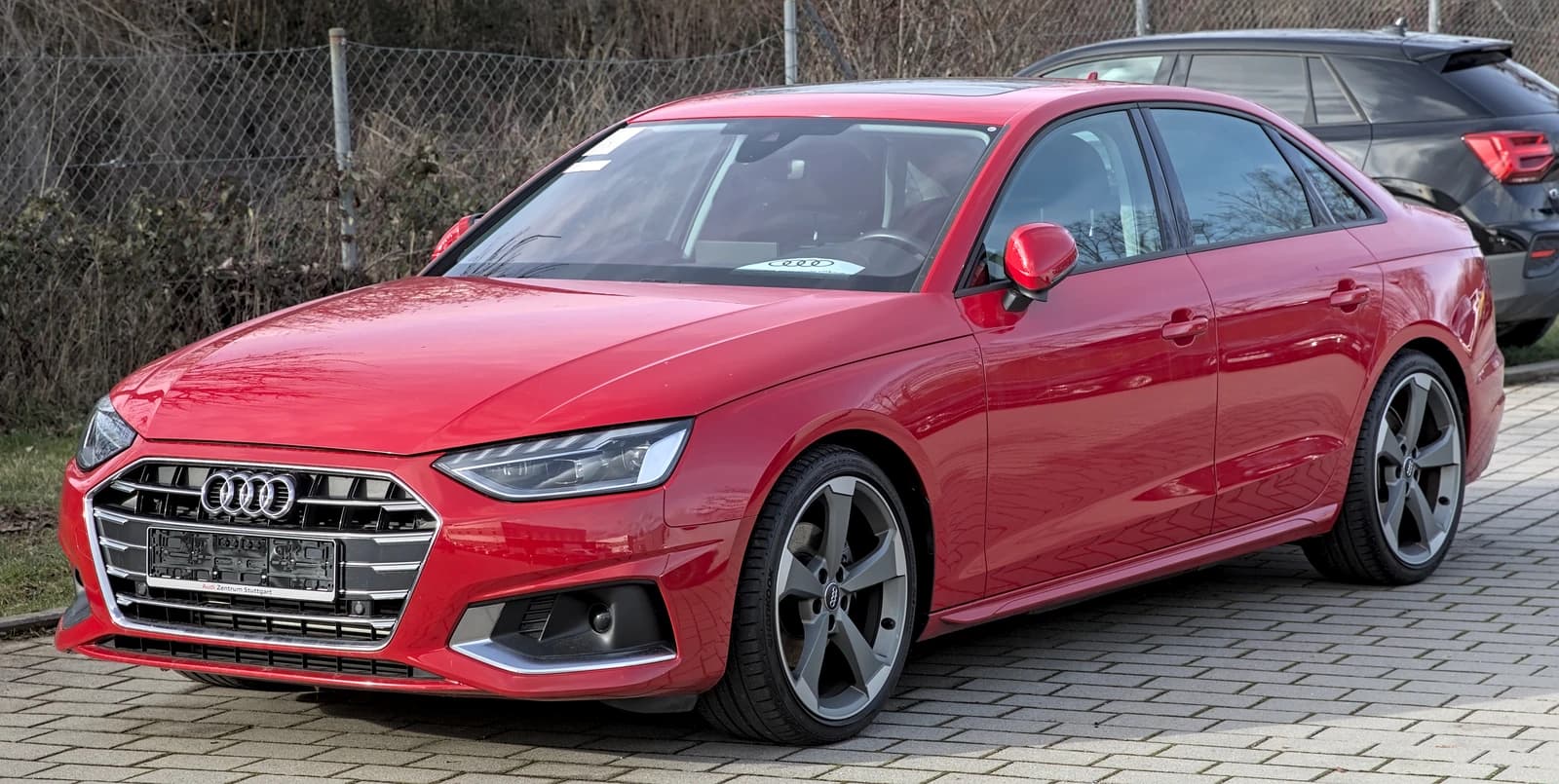
The seed list also points to a market where German premium models such as the Audi A4 1.4 TFSI, BMW 3 Series 318i, BMW X3 xDrive30e and BMW 5 Series 530e are competing for buyers who want status and technology but must weigh fuel costs and import premiums. In that environment, Toyota Corolla variants and the Hiace Standard 2.5 continue to appeal to price-sensitive families and commercial buyers because they are easier to resell and cheaper to run.
Auto pricing in Pakistan is also moving against a macro backdrop of still-high inflation and a firm U.S. dollar. Reuters-style trade signals show the dollar is holding a strong stance and U.S. Treasury yields are around 4.79%, a mix that keeps global financing conditions restrictive and tends to pressure emerging-market import bills.
For investors, that means the near-term upside is likely to stay with automakers and dealers that can preserve margins through pricing discipline, while consumers absorb the cost through slower replacement demand. The next catalyst is further model-price revisions and any change in import costs, exchange rates or financing availability that could either deepen or ease the squeeze.
| Entity | Gains | Losses |
|---|---|---|
| Toyota resellers | ▲Strong resale premiums | ▼Volume-sensitive buyers |
| BMW premium sellers | ▲Higher-margin niche demand | ▼Mass-market affordability |
| Car owners with existing stock | ▲Better retained value | ▼New-car shoppers |
| Consumers and fleet buyers | ▲— | ▼Higher replacement costs |