Pakistan vehicle prices show split market
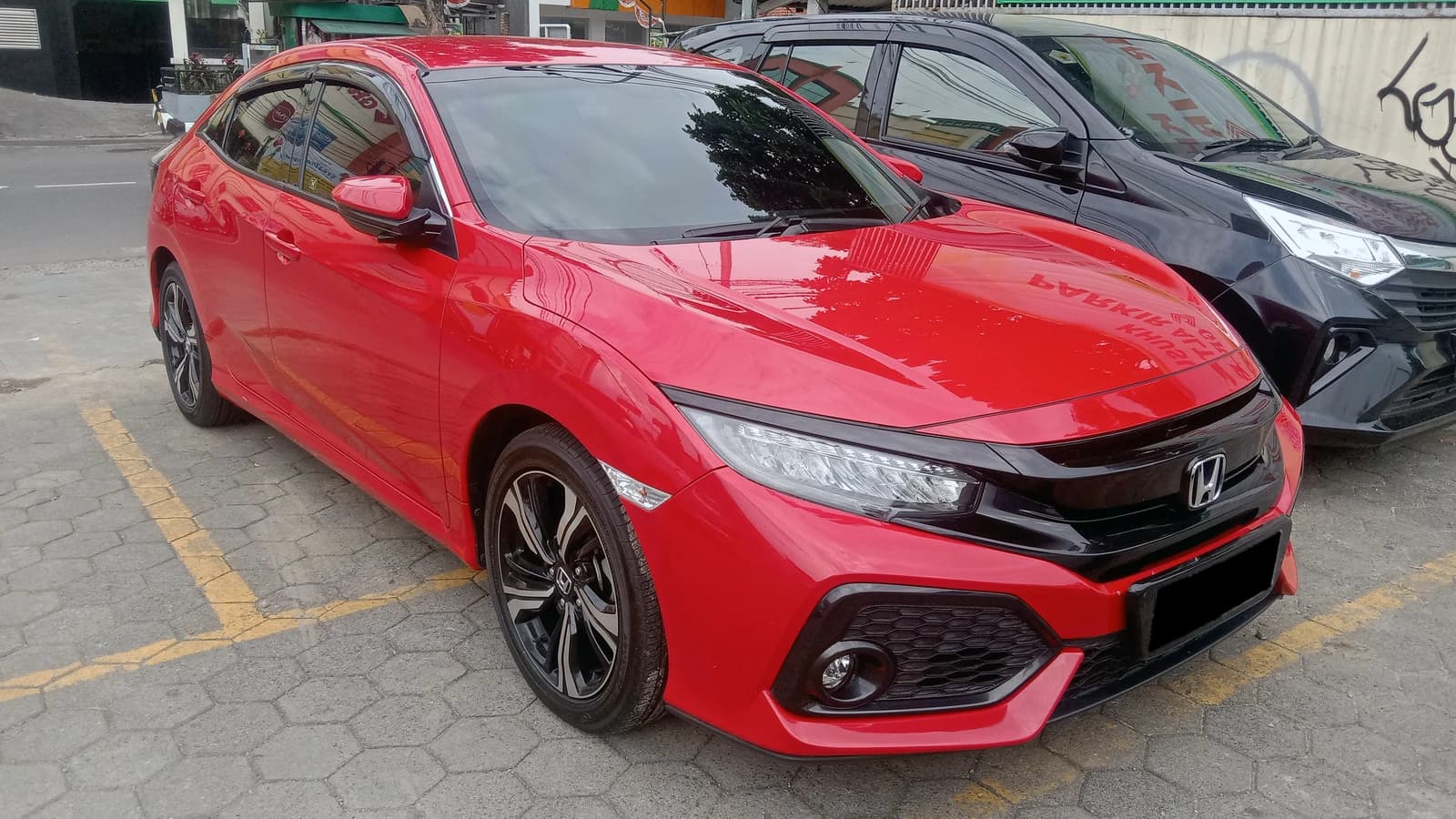
Pakistan’s latest vehicle listings underscore a market split between mass-market demand and premium pricing, with Toyota’s Hilux listed at PKR 16.149 million, Corolla at PKR 6.169 million and Land Cruiser at PKR 156.829 million, while Honda, BMW, Porsche and MG models occupy the upper end of the buyer spectrum.
The economic significance is straightforward: in a market where financing costs, import duties and currency volatility shape affordability, car prices are not just showroom tags but a read on consumer purchasing power and dealership demand. The spread between a Toyota Aqua at PKR 4.5 million and a Land Cruiser at more than PKR 156 million captures how fragmented Pakistan’s auto market has become, with volume buyers pushed toward smaller sedans and compact cars, and wealthier consumers still able to absorb premium imports or higher-spec variants.
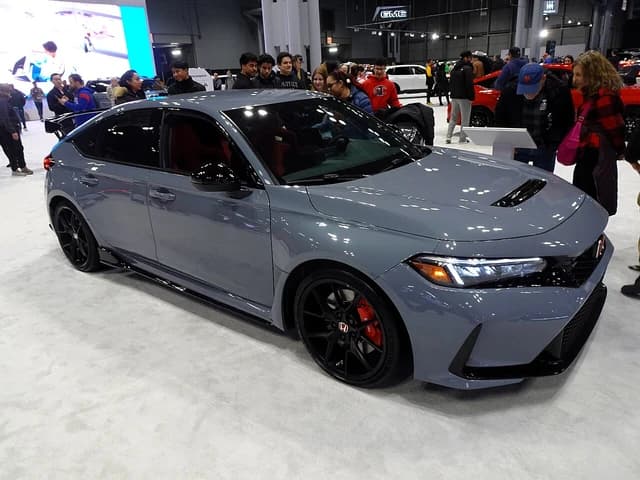
That gap matters for automakers and investors because it points to where demand is most resilient. Toyota’s broad lineup, including Corolla, Hilux, Prius and Fortuner, suggests it remains positioned to capture both mainstream and higher-income buyers, while Honda’s Civic and city-car pricing keeps it in the core sedan segment that has historically driven volumes. The presence of MG ZS, BMW X1 and Porsche Panamera listings shows there is still a premium tier, but that market is narrower and more sensitive to exchange-rate swings and policy changes.
For local buyers, pricing also reflects the pressure on household budgets. A Toyota Hilux at over PKR 16 million or a Honda Civic Turbo well above entry-level sedans places newer vehicles out of reach for many consumers, reinforcing demand for used cars, smaller-displacement models and longer replacement cycles. For automakers, that can support margins on higher-trim vehicles, but it also risks limiting overall unit growth if affordability fails to improve.
The stock-market relevance is more indirect but still important. For Honda Motor, Toyota Motor and other global automakers with exposure to Asia, Pakistan is a small market, yet it is emblematic of broader emerging-market demand conditions: buyers remain price-sensitive, premium products can command premiums, and volume recovery depends on macro stability rather than branding alone. The read-through for investors is that auto demand in fragmented markets will likely stay uneven, favoring manufacturers with the widest product mix and the strongest pricing power.
Looking ahead, the key catalyst is whether financing conditions and currency stability improve enough to widen the pool of buyers. Until then, the market is likely to remain polarized, with Toyota and Honda competing for the mass market, while BMW, Porsche and other premium names rely on a thin but profitable slice of demand.
| Entity | Gains | Losses |
|---|---|---|
| Toyota | ▲Broad lineup demand | ▼Budget-constrained buyers |
| Honda | ▲Core sedan positioning | ▼Entry-level affordability |
| Premium brands | ▲High-margin niche sales | ▼Volume growth |
| Pakistani consumers | ▲More model choice | ▼Lower purchasing power |