Pakistan Wheat Prices Rise, Flour Costs Increase
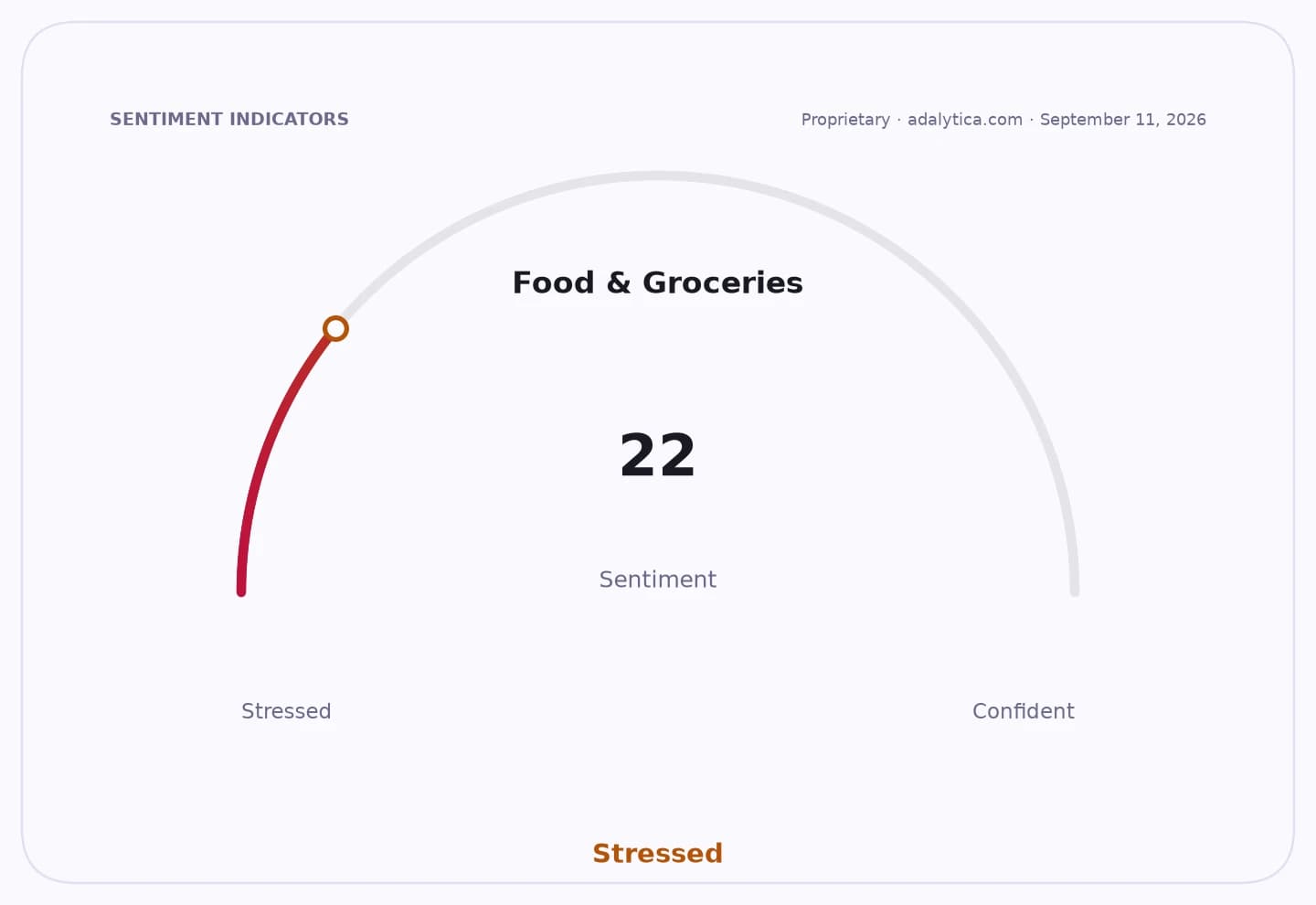
Wheat prices are climbing again in Pakistan, and the higher cost is now being passed straight through to flour — a hit to household budgets that matters because bread and other staples sit at the center of everyday spending.
Flour mills in Karachi have raised prices after wheat jumped Rs15 a kilogram to Rs130, with fine and “2.5 number” flour also getting pricier. Retail prices for 2.5 number flour have climbed to Rs160 a kilogram, fine flour to Rs175, and chakki flour to Rs180. For consumers, that means one of the most basic food inputs is becoming steadily less affordable at a time when food inflation is already a painful pressure point.
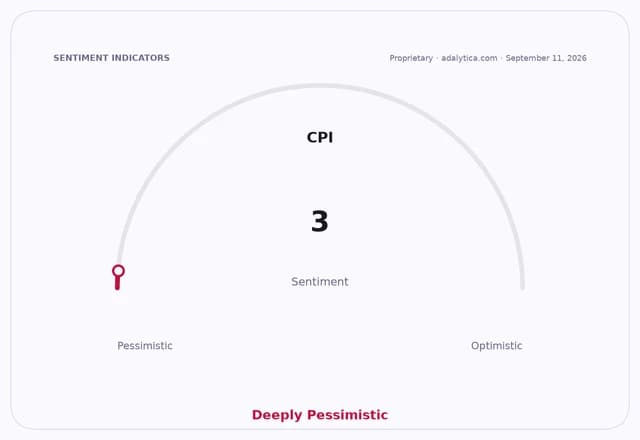
That is economically important because wheat is not just another commodity. In Pakistan, it is a direct input into the cost of the most widely consumed foods, so higher wheat prices ripple quickly through the food chain. The move also threatens margins for flour mills, which say they cannot keep selling at government-linked rates while buying wheat at elevated levels. Their response is telling: they want the government to immediately import 2 million tons of wheat to ease the squeeze.
For investors, the story is less about a single price hike than about persistent inflation in a core necessity market. When staple food costs rise, consumer purchasing power weakens, grocery spending gets squeezed and the risk of broader inflation pressure increases. That matters for local businesses tied to household demand, for policymakers trying to manage prices and for any company exposed to Pakistan’s food supply chain.
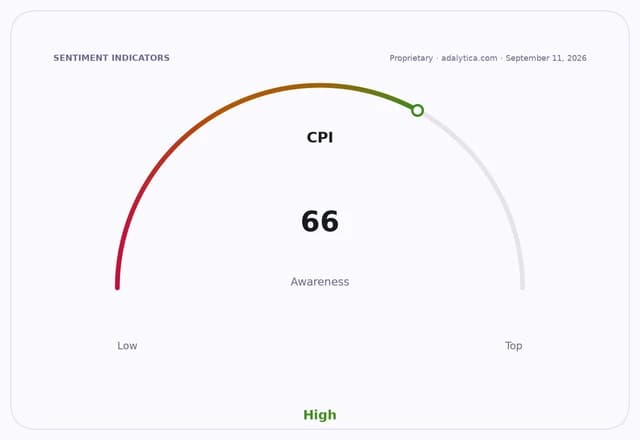
There is also a broader market lesson here. Commodity shocks rarely stay confined to farms or futures pits. Even when global wheat prices ease on trading screens, local shortages, hoarding and distribution problems can keep domestic prices elevated. In this case, the disconnect between commodity markets and street-level prices is the real story, and it is what forces intervention from the government.
If imports arrive and supply improves, flour prices could eventually stabilize. Until then, investors should expect food inflation to remain sticky and consumer stress to continue. For long-term investors, episodes like this are a reminder that agriculture, logistics and food processing all matter when you are thinking about inflation, margins and spending power over the next several years.
| Entity | Gains | Losses |
|---|---|---|
| Wheat sellers | ▲Higher selling prices | ▼Consumers and bakers |
| Flour mills | ▲Potential relief from imports | ▼Margin pressure at current rates |
| Households | ▲More stable prices if imports come | ▼Higher grocery bills now |
| Government | ▲Chance to calm inflation | ▼Political pressure if shortages persist |