Pakistan wheat prices rise on supply bottlenecks
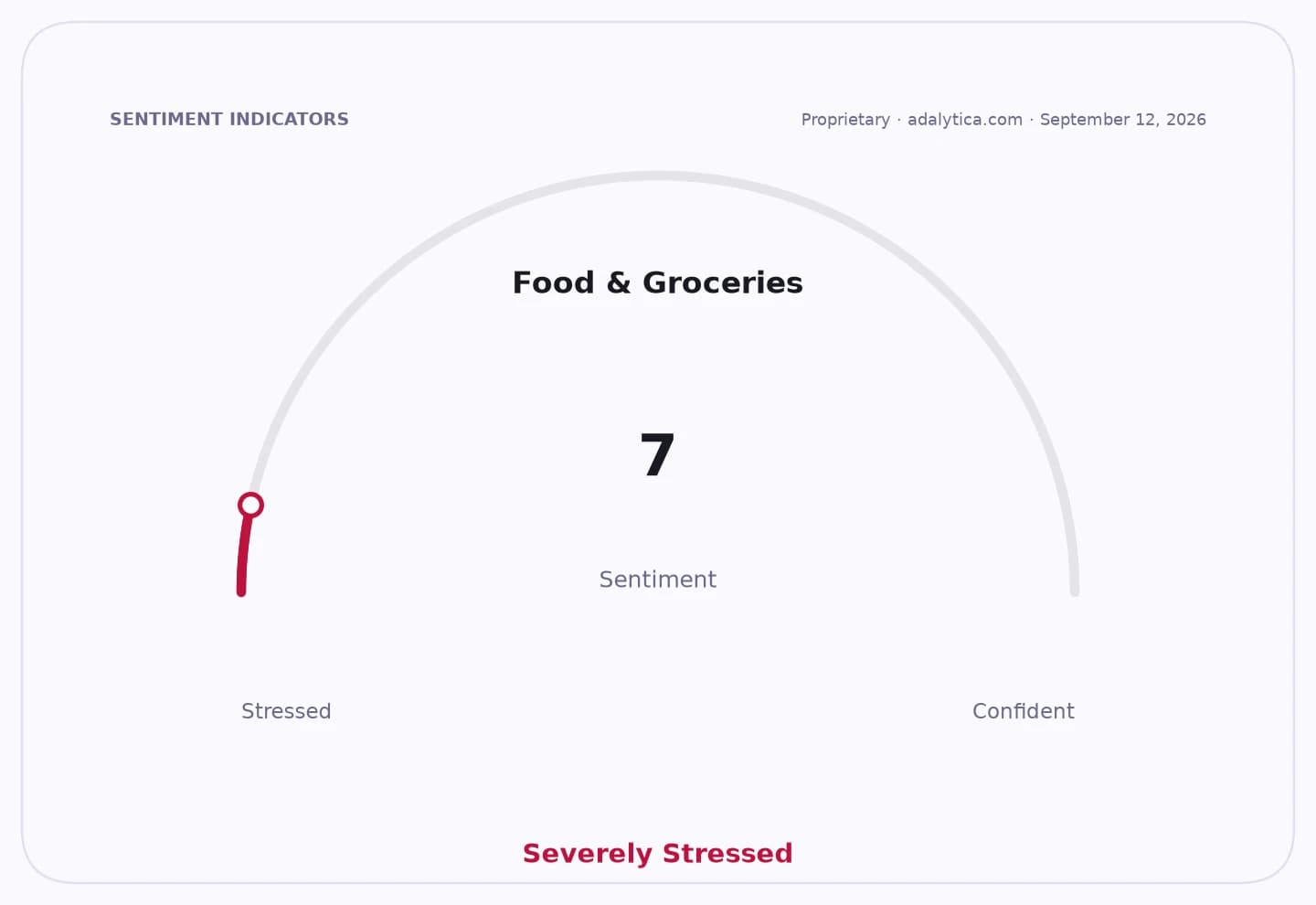
Despite a strong harvest, Pakistan’s wheat market is behaving like a shortage economy, and that is now feeding directly into food inflation, political pressure and a bigger bill for households already stretched by weak spending power.
The core problem is not production. It is distribution. Karachi wholesale wheat has climbed to Rs132 a kilogram from Rs90 four months ago, while 2.5 flour has risen to Rs155, fine flour to Rs157 and chakki flour to Rs180. In parts of the market, a 50-kilogram flour bag now costs as much as Rs8,000, a level that squeezes lower-income families and risks broader strain on consumer demand.
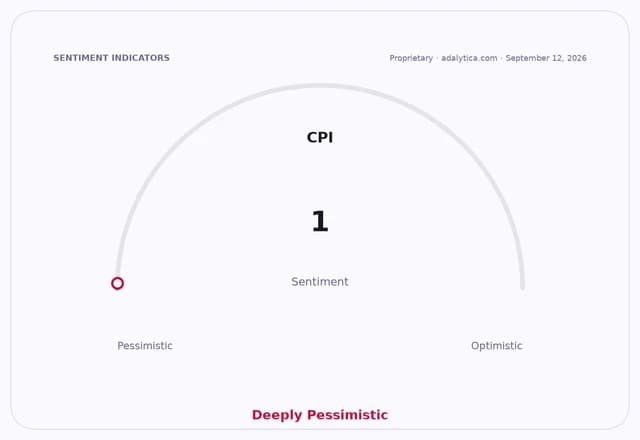
That disconnect matters economically because wheat is a staple with immediate pass-through to the cost of living. When milling and retail pricing rise despite a bumper crop, it usually means the bottleneck sits in logistics, storage and market structure rather than supply. In Pakistan, traders and industry groups are blaming hoarding, weak administration, an uneven deregulation regime and a fragile storage system that allows grain quality to deteriorate and gives middlemen room to capture the spread.
The policy response is not helping the market normalize quickly. The federal government plans to bring in 750,000 tonnes through the Trading Corporation of Pakistan, but even critics in the trade say that volume will not cover national usage and that the cargoes will not arrive until November. Until then, the market is exposed to inventory manipulation and another round of price increases. Karachi alone needs about 12,000 tonnes of wheat a day, while Sindh requires about 24,000 tonnes, underscoring how quickly a supply glitch can cascade into retail pain.
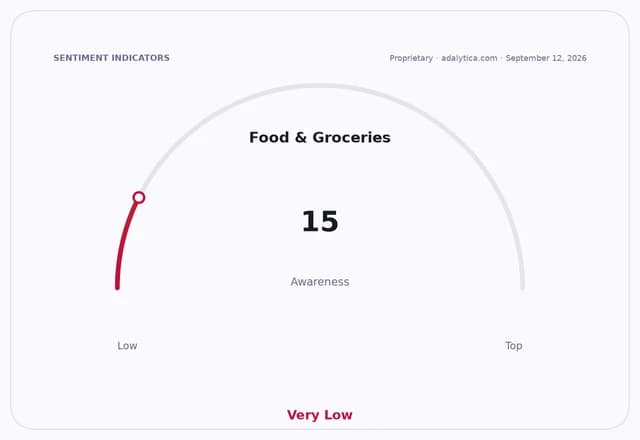
For investors, the story is bigger than wheat. It is a structural trade in food infrastructure. Pakistan is effectively taxing consumers through inefficiency while discounting its own growers in export channels because grain quality, identity preservation and moisture control are weak. That creates an opening for private storage, modern silos, clean-bulk handling and logistics operators that can capture margin from a chain the state has struggled to manage.
Louis Dreyfus Company’s new 40,000-tonne grain store in Multan and its clean-bulk terminal agreement in Karachi are the kind of assets that become more valuable when a market is forced to professionalize. The merchant is making a simple bet: buyers will pay less for Pakistani wheat because they fear quality risk, not because the crop lacks a non-GM premium. If grading, drying and sensor-based storage improve, part of that discount can be monetized instead of wasted.
That is why the immediate inflation shock should not be read only as a consumer story. It is a signal that Pakistan’s grains market is still missing the middle layer that turns farm output into reliable commercial supply. The winners are firms with storage, handling and origination capability. The losers are households, millers forced to chase spot grain and farmers who remain stuck in a system that sells their crop cheaply at home and penalizes it abroad. For investors, the highest-conviction theme is clear: follow the infrastructure, not the headline crop.
| Entity | Gains | Losses |
|---|---|---|
| Private silo and logistics operators | ▲Higher storage demand | ▼— |
| Louis Dreyfus Company | ▲Asset-led market share | ▼Commodity risk pricing |
| Pakistani households | ▲— | ▼Higher atta costs |
| Local farmers and millers | ▲— | ▼Hoarding, weak pricing power |