Pakistani rupee falls below 375 against pound

The Pakistani rupee ended the week below 375 against the British pound, underscoring how Pakistan’s currency remains under pressure even as it has logged a long winning streak against the US dollar.
The move matters because sterling weakness or strength in isolation can only explain part of the slide: the rupee is still losing value across a wider basket of currencies, a sign that Pakistan’s external position remains fragile and that import costs for businesses and households can stay elevated even when the dollar rate looks steadier. According to the market data, the rupee was broadly flat against the dollar, closing at 277.41 after a one-paisa gain, but fell Rs1.08 versus the pound, 46 paisas against the euro and 47 paisas against the Australian dollar.
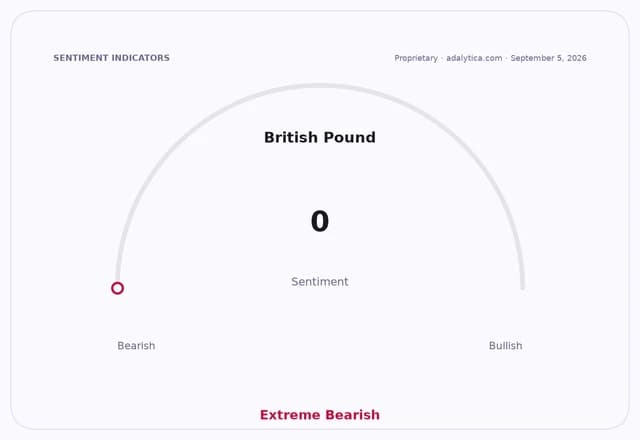
That split matters for investors because it shows the rupee’s recent resilience against the greenback has not translated into broad-based currency stability. For companies with exposure to European or UK imports, the pound move can feed directly into landed costs, margins and working capital needs. It also complicates pricing for sectors such as energy, consumer goods and industrials that rely on foreign inputs. The currency’s stable performance against the dirham and riyal suggests pressure is more pronounced versus major developed-market currencies than against Gulf pegs.
The dollar leg remains important for the macro backdrop. The rupee has posted gains against the US currency for 233 consecutive sessions since Dec. 25, a run that may reflect administrative support, improved short-term supply, or weaker demand for dollars rather than a full structural turn in fundamentals. But the broader currency picture still points to vulnerability. Pakistan’s economy remains sensitive to import financing, reserve levels and any renewed rise in global hard-currency demand.
For traders, the key question is whether the pound move is a one-off adjustment or part of a wider repricing of the rupee against non-dollar currencies. A continued break below 375 would keep hedging demand elevated and may encourage exporters to delay conversion, while importers could face more urgency to lock in cover. The next test will be whether the rupee can extend its dollar gains without further erosion against sterling and other major currencies.
| Entity | Gains | Losses |
|---|---|---|
| Pakistani importers | ▲temporary dollar stability | ▼higher sterling-priced costs |
| Pakistani exporters | ▲stronger hedging opportunities | ▼weaker foreign-currency receipts |
| Rupee holders | ▲steadier USD rate | ▼broader FX depreciation |
| UK-linked buyers | ▲little | ▼rupee affordability pressure |