Palladium Holds Firm on Geopolitical Supply Fears
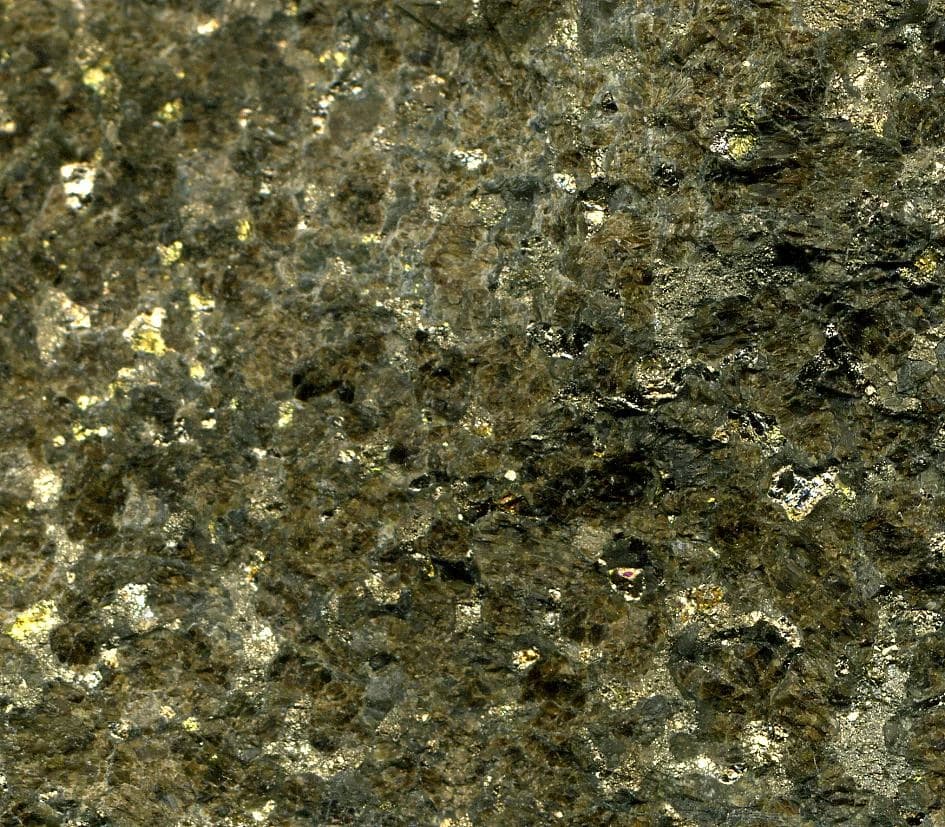
Palladium traded at $1,266.5 an ounce on Tuesday, holding at a level that suggests investors are still paying up for supply risk at a time when the broader commodity complex is being pulled higher by geopolitics and inflation fears.
That matters because palladium is not just another precious metal. It is a key industrial input for vehicle catalysts, so its price feeds directly into manufacturing costs for automakers and into the margins of producers such as Sibanye-Stillwater and Impala Platinum. When the metal stays firm, it signals that markets are still pricing in tight supply or a renewed scramble for strategic materials rather than a clean return to normalcy.
The backdrop is supportive. Oil prices have climbed to the highest level since early June, with Brent around $85 a barrel as tensions linked to the Iran conflict keep traders nervous about supply. That same risk premium is showing up across commodities, and it helps explain why palladium is finding support even after a volatile few years. Inflation-sensitive assets tend to benefit when energy and industrial inputs rise together, because higher fuel costs can lift production and transportation expenses across the economy.
For investors, the key question is not whether palladium can spike in the short term, but whether this strength can last. The metal’s long-term demand story is more mixed than gold’s. Electrification threatens catalyst demand over time, but that transition is slow, and in the meantime palladium remains tied to global auto production and any disruption to mine supply or sanctions-related flows. That makes it a classic cyclical commodity: vulnerable to big swings, but still capable of sharp rallies when supply chains tighten.
The technical picture reinforces that view. Palladium-related equities have been moving unevenly, and price action in major producers shows the market is still sorting out whether the recent bounce is durable. Sibanye-Stillwater’s U.S.-listed shares were still well below their late-2025 highs, while Impala Platinum’s U.S. shares have also lagged, a sign that equity investors remain cautious even as the metal itself finds support. That gap can create opportunity, but it can also warn that the rally is being driven more by macro tension than by a clean improvement in fundamentals.
The bigger story is that commodities are once again acting like an inflation hedge and a geopolitical barometer at the same time. If oil stays elevated and risk aversion persists, palladium can remain underpinned. If tensions ease and supply fears fade, the metal could give back gains quickly. For long-term investors, that makes palladium a market to watch, not to chase blindly: the upside is real, but the volatility is just as real.
| Entity | Gains | Losses |
|---|---|---|
| Palladium bulls | ▲Higher metal prices | ▼Risk of sharp pullbacks |
| Automakers | ▲None | ▼Higher catalyst costs |
| Miners like Sibanye-Stillwater and Impala Platinum | ▲Better revenue leverage | ▼Operational uncertainty |
| Consumers and industry | ▲None | ▼Inflation pressure from higher inputs |