Palm Oil Fuel Idea Could Lift Domestic Demand
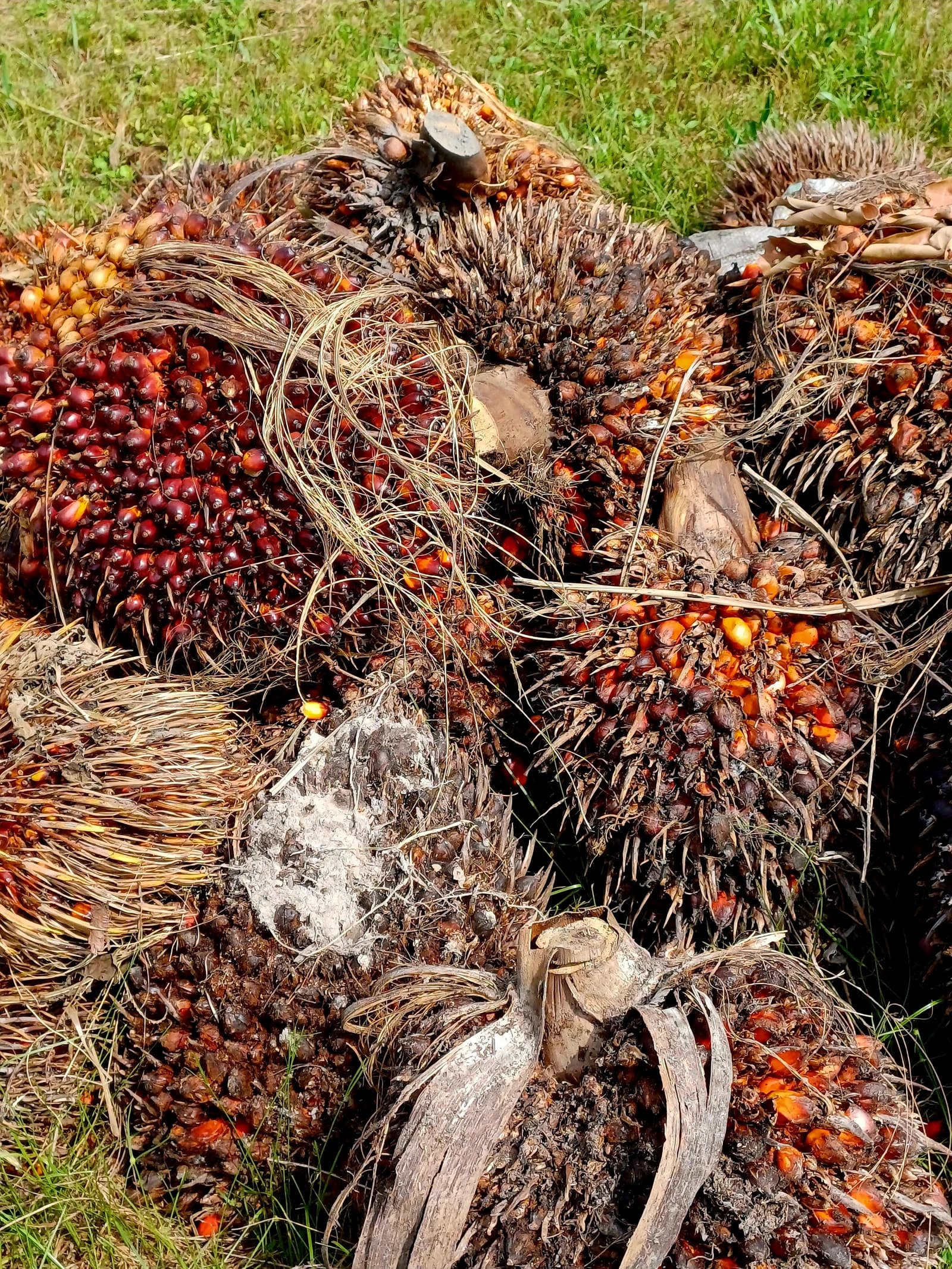
Prabowo Subianto’s claim that a professor is developing automotive gasoline from palm oil puts Indonesia’s most controversial agricultural export at the center of a bigger economic wager: can the world’s biggest palm oil producer use its own feedstock to reduce fuel imports, defend energy security and create a new market for domestic producers?
That matters because energy imports are a drag on trade balances, subsidies and currency stability. If palm oil can be converted into a viable gasoline substitute at scale, Indonesia would be trying to do for transport fuel what it has already done with biodiesel: redirect a commodity chain toward domestic consumption, support rural incomes and keep more value at home.
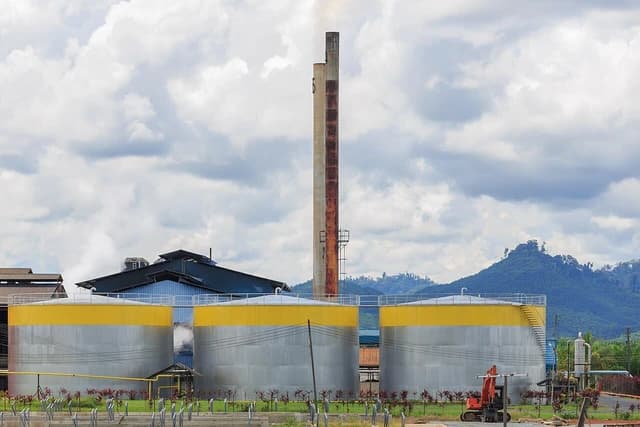
The idea is not just political theater. It sits within a broader global push to secure fuel supplies as crude markets remain unsettled, even after OPEC+ signaled more output. Governments from Asia to Europe are still wrestling with fuel affordability, refinery disruptions and the need to diversify away from volatile oil imports. In that environment, any homegrown alternative that can be blended into transport fuel becomes strategically relevant, especially for a large emerging market with chronic energy import exposure.
For investors, the significance is in the second-order effects. A credible palm-based gasoline program would be bullish for palm oil demand over time, reinforcing the sector’s role in Indonesia’s biofuel policy and potentially lifting long-term consumption of crude palm oil. That would support producers, plantation owners and refiners positioned along the domestic value chain, while raising questions for refiners, fuel importers and trading houses tied to conventional petroleum products.
The caveat is scale. Biodiesel and gasoline are not the same commercial challenge, and investors should treat the announcement as an early-stage policy and technology signal rather than an immediate earnings event. The economics will depend on production costs, blending mandates, technical feasibility and whether the government is willing to back the project with subsidies or regulation. If it is expensive, adoption could stay limited; if it works, Indonesia could deepen one of the most important biofuel markets in Asia.
That is why this story belongs on the watchlist, not the trading screen. Over the next several years, the winners are likely to be companies with exposure to palm oil processing, plantation assets and downstream fuel blending, while traditional fuel importers and some refiners could face incremental pressure if substitution gains traction. For long-term investors, the key question is whether this is another headline, or the start of a genuine shift in how Indonesia powers its economy.
| Entity | Gains | Losses |
|---|---|---|
| Palm oil producers | ▲Higher domestic demand | ▼More policy scrutiny |
| Indonesian government | ▲Energy security | ▼Subsidy burden |
| Fuel importers | ▲None | ▼Lower import volumes |
| Conventional refiners | ▲Limited upside | ▼Possible fuel substitution |