Farmers in Trenggalek are beginning to use drones for rice spraying with a payment model that can be settled only after harvest, a small local change that speaks to a larger economic problem in Indonesian agriculture: cash flow. By pushing input services to the point of need and deferring payment until crops are sold, the model lowers the upfront burden on growers, improves access to modern equipment and may help lift productivity in a sector where labor scarcity, pest pressure and uneven working capital have long constrained yields.
Pay-Later Drone Spraying Eases Indonesian Farm Cash Flow
The significance is not just technological. In rice farming, timing is everything, and drone spraying can cover fields faster and more precisely than manual methods, helping farmers respond to pests or fertilizer needs before damage spreads. For smallholders, though, the real constraint is often not whether the technology exists but whether they can afford to pay for it before income arrives. A harvest-linked payment structure turns the service into something closer to trade finance for the farm economy: it eases immediate liquidity pressure while allowing farmers to adopt higher-efficiency methods without taking on obvious cash risk at planting stage.
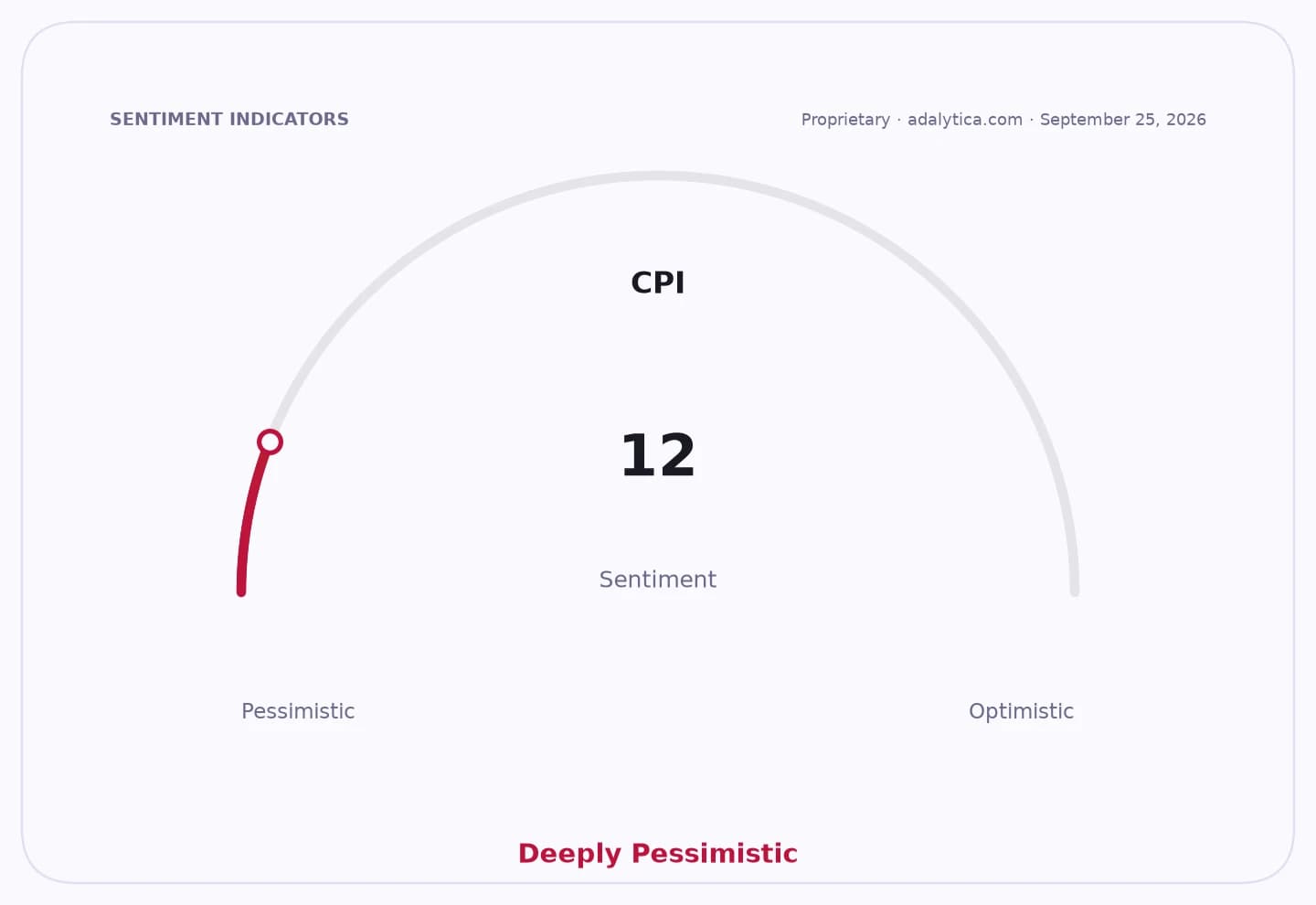
Sentiment IndicatorsⓘProprietary · adalytica.com · July 15, 2026
This is a snapshot — live sentiment, awareness and momentum for 130+ markets update continuously in the dashboard.Open AlphaPulse
That matters because Indonesia’s food system remains vulnerable to input costs, labor bottlenecks and yield losses, and because even incremental productivity gains in rice can have outsized effects on rural incomes and food inflation. The model also aligns with a wider push toward digital farming across the country, where drones are increasingly used for pest control and crop management. Local governments have already experimented with drone-led spraying campaigns to combat infestations, underscoring that this is becoming part of mainstream farm operations rather than a novelty.
For investors, the implications extend beyond the field. Agricultural service providers, drone operators, agrochemical distributors and equipment financiers all stand to benefit if pay-later models spread, because they can expand the addressable market among farmers who would otherwise delay adoption. It also creates a more scalable service economy around farming, one that could support recurring revenue rather than one-off hardware sales. The bear case is straightforward: if harvests disappoint, deferred payments can become bad debt, squeezing service providers and forcing them to carry more credit risk than they planned.
That risk helps explain why the model may work best where crop visibility is high and local relationships are strong. In the short term, the Trenggalek example is more important as a signal than as a revenue event. It suggests that the next phase of agricultural modernization in Indonesia may depend less on selling equipment outright and more on bundling technology, services and financing into a single farm workflow. If that combination scales, it could improve yields, smooth farmer cash flow and create a new profit pool in agri-services.
| Entity | Gains | Losses |
|---|---|---|
| Small rice farmers | ▲Easier access to drone spraying | ▼Less immediate cash burden |
| Drone service providers | ▲Bigger customer base | ▼Credit and collection risk |
| Agricultural lenders/financiers | ▲New service-financing market | ▼Higher exposure to crop failure |
| Manual sprayer labor | ▲Lower demand for labor | ▼Fewer spraying jobs |