Pentagon Audits University China Agreements
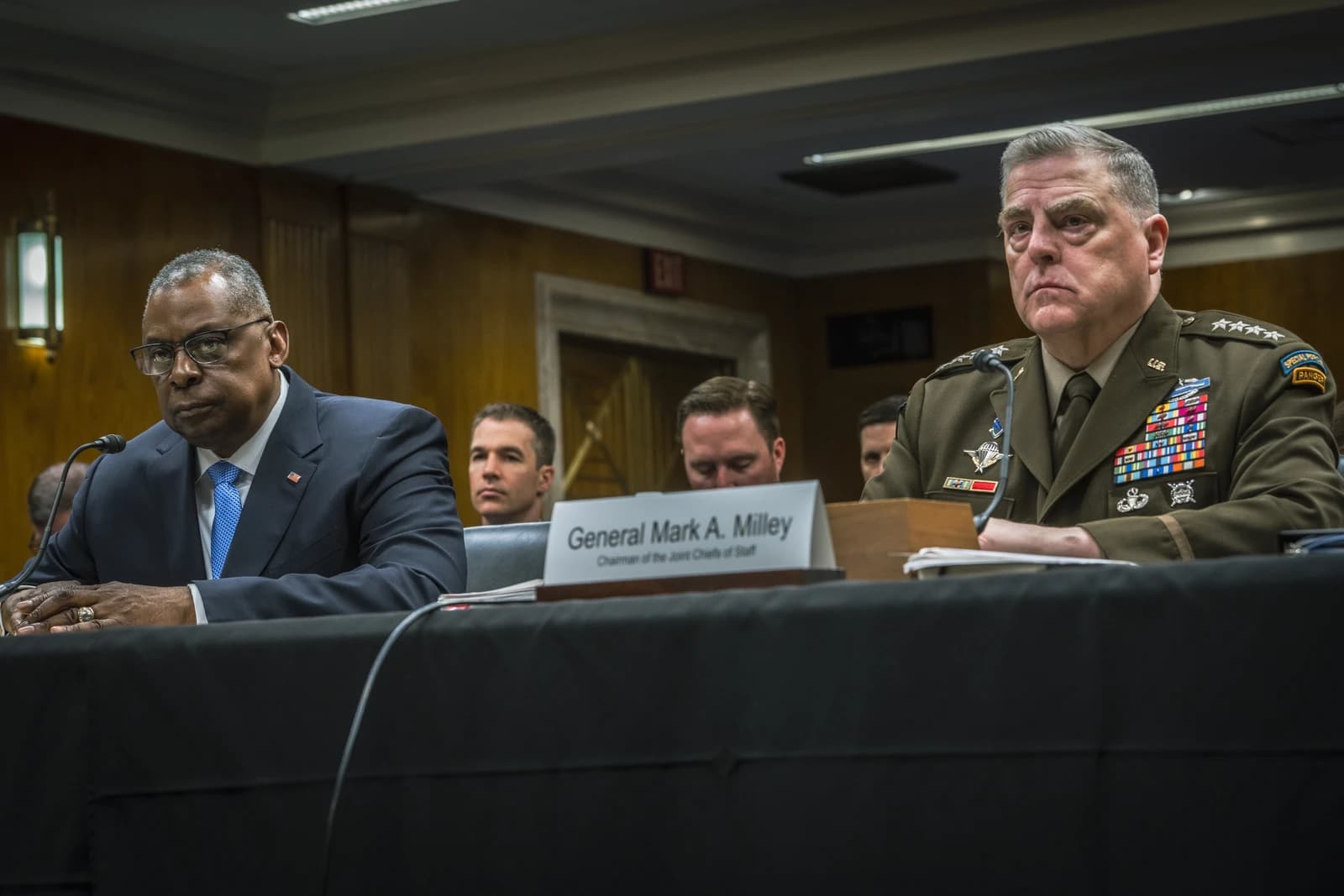
The Pentagon’s order to audit U.S. universities’ agreements with China and entities linked to Confucius Institutes adds a fresh layer of scrutiny to academic partnerships that have already become a geopolitical fault line, with the biggest economic impact likely falling on schools and education companies that rely on Chinese students, joint programs and cross-border ties.
The move matters because it widens Washington’s campaign to limit China’s influence inside U.S. institutions just as relations between the two countries remain fragile and investors are already pricing in higher policy risk. Even if the audit does not immediately force contract changes, it raises the odds of tighter compliance requirements, slower approvals and more pressure on revenue streams that depend on international enrollment and Chinese-linked collaboration.
For investors, the key question is not whether the order is symbolic — it is whether it leads to actual restrictions on agreements that support tuition income, research partnerships and recruitment pipelines. Universities with material exposure to China face a potential funding and operational hit, while listed education companies with China-facing businesses could see heightened volatility as traders reassess the durability of those models. Shares of New Oriental Education, TAL Education and Baidu — which have all been moving sharply in recent sessions — are likely to remain sensitive to any broadening of U.S.-China policy actions, even when the direct impact is indirect.
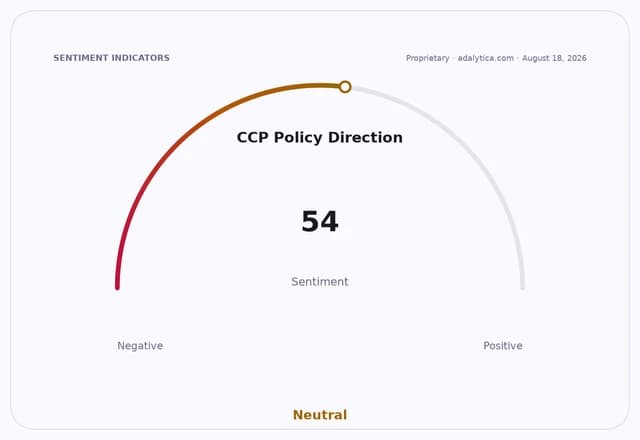
The audit also lands in a market environment already marked by elevated geopolitical anxiety. Adalytica’s Global Stability Sentiment gauge is in extreme fear territory, underscoring how quickly policy headlines can feed risk aversion across Chinese and China-exposed assets. At the same time, China policy awareness is elevated, suggesting investors are watching for escalation rather than treating the announcement as a one-off administrative review.
For universities, the risk is twofold: reputational damage and potential loss of access to Chinese funding, partnerships or student pipelines. Confucius Institutes have long been criticized in Washington as instruments of Chinese state influence, and the Pentagon’s directive effectively formalizes that suspicion into a compliance review. That could prompt institutions to revisit not only existing contracts but also future collaboration standards, especially in areas seen as strategically sensitive such as STEM research, language instruction and overseas recruitment.
The bull case for investors is that the audit may prove narrow, producing more paperwork than penalties. A review alone does not equal sanctions, and many institutions have already reduced dependence on controversial Chinese programs after earlier political pressure. The bear case is that the order becomes a template for broader scrutiny, eventually spilling into visas, research funding, technology transfer and enrollment policies, all of which could hit university budgets and related service providers.
The backdrop matters economically because higher education is a large, labor-intensive sector with limited pricing flexibility. Any disruption to international students or cross-border programs can hit margins quickly, while companies serving Chinese families or students in the U.S. can see demand swing on policy headlines. That makes the issue relevant well beyond campuses: it touches local economies that depend on foreign tuition, residential spending and research-linked jobs.
The next catalyst is whether the audit produces a public list of institutions or agreement types under review, and whether other agencies follow with coordinated action. Investors should expect China-exposed education names to trade on headline risk until there is more clarity on scope, enforcement and whether the Pentagon’s move is the start of a broader tightening cycle.
| Entity | Gains | Losses |
|---|---|---|
| Pentagon / U.S. defense policymakers | ▲More oversight | ▼Less academic latitude |
| U.S. universities | ▲Compliance clarity | ▼China-linked revenue risk |
| Chinese-linked education partnerships | ▲Higher scrutiny | ▼Contract and enrollment pressure |
| Education stocks exposed to China | ▲Policy differentiation | ▼Volatility and derating |