Peru food inflation rises on produce and wheat
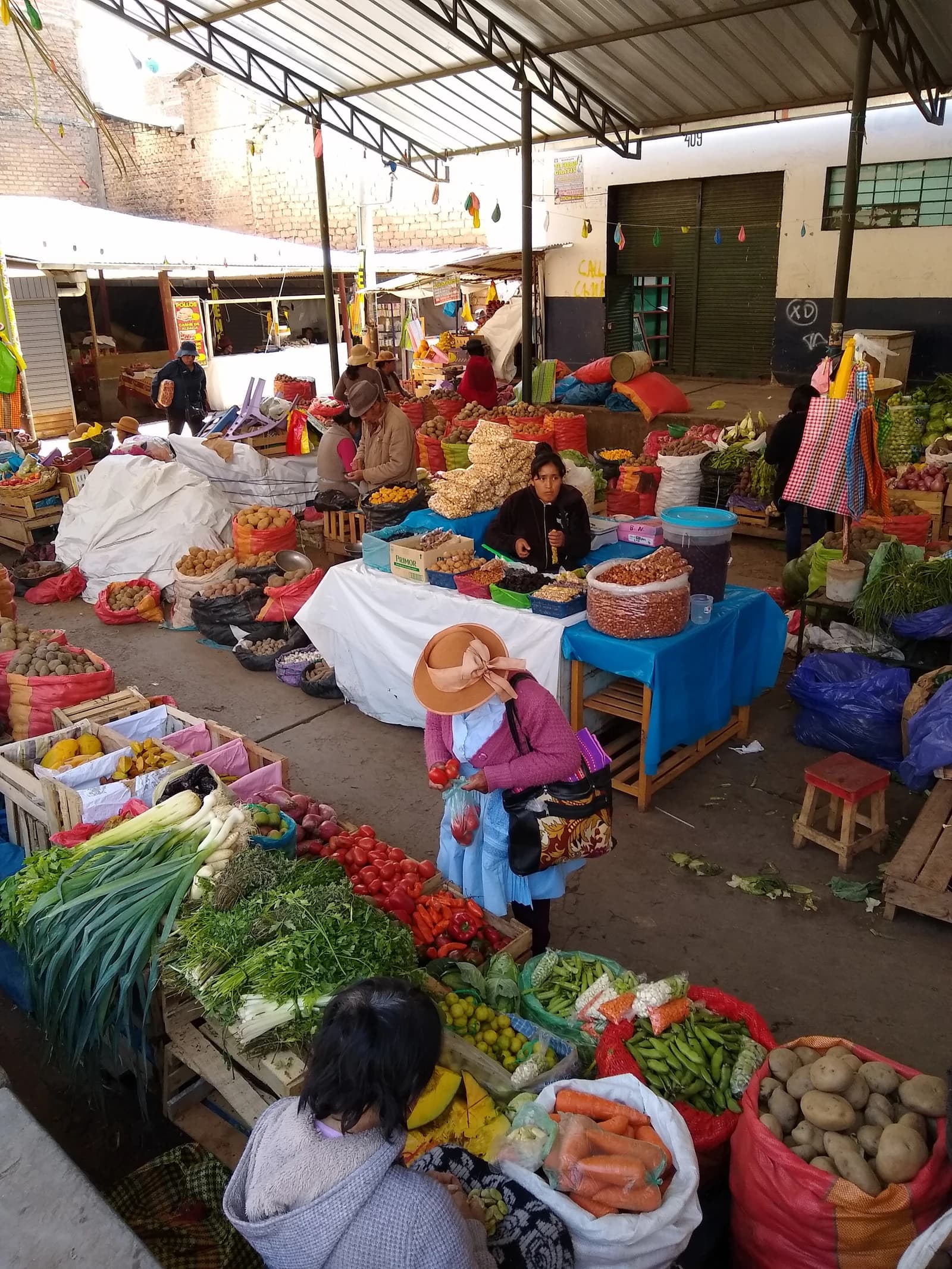
Lima’s grocery inflation is heating up again, and the biggest risk for investors and households is that a local squeeze in fresh produce could be followed by a broader wave of imported food-cost pressure. Tomatoes have almost doubled in price at Lima’s wholesale market, while wheat is once again flashing warning signs in global markets, a one-two punch that could keep Peru’s food bill rising into the next few months.
That matters because food is still the item that most quickly reaches into consumers’ pockets and, in a country like Peru, it can ripple through inflation expectations, wage demands and spending on everything else. Eduardo Zegarra, the economist cited in the report, said the current increase is not broad-based across all foods, but concentrated in five or six products — tomatoes, corn, peppers, peas and squash — which is exactly the kind of pattern that can spread from wholesale stalls to neighborhood markets if supply stays tight.
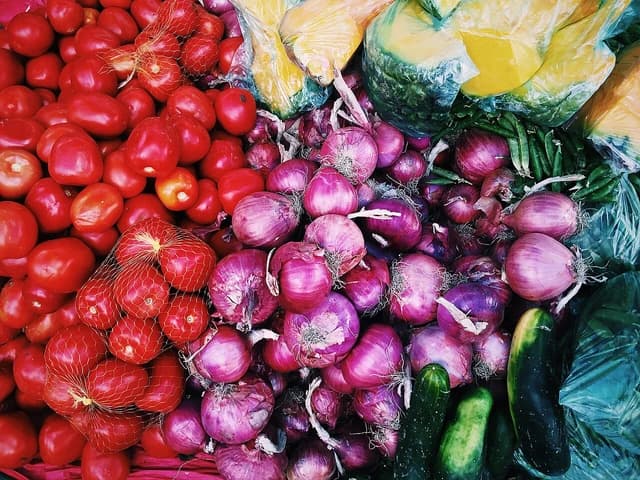
The immediate problem is domestic. Higher diesel costs are lifting transport expenses, and disruptions on key roads are making it riskier and more expensive to move perishable goods into Lima. When transporters skip pickups because the economics no longer work, supply tightens fast. That is why wholesale prices matter: they are often the first stage of what later becomes a consumer price problem.
The report says Lima’s wholesale basket of five key foods — potatoes, corn, peas, tomatoes and lettuce — finished August with a 32% cumulative increase. Even if not all of that lands at the checkout counter, it is still a sharp reminder that food inflation can reaccelerate quickly when logistics break down.
The second pressure point is global, and it may be more important over time. Peru depends heavily on imported wheat, corn and soybeans for food manufacturing, poultry and pork. If those commodities keep rising, the cost increase does not stop at flour or bread. It can work its way into processed foods, chicken and other staples that households buy every week. That is where investors should pay attention: persistent input-cost inflation can squeeze margins for food producers, restaurants and distributors even if they try to pass along prices.
We have seen this movie before. During 2022-2023, food inflation in Peru averaged close to 18% a year as the war in Ukraine disrupted grain markets. Today, the mix of geopolitical tension in the Black Sea, higher fertilizer costs and energy volatility is reviving the same concern. Global food prices rose in August to their highest since late 2022, underscoring that Peru is not dealing with an isolated market hiccup.
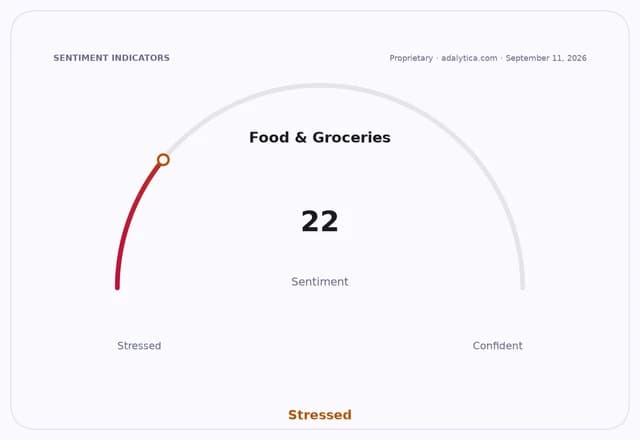
For investors, the takeaway is less about trading a single headline and more about understanding the durability of inflation pressure. Food and grocery spending sentiment is already sitting in fear territory, according to Adalytica.com’s proprietary indicator, suggesting consumers are nervous and may trade down if prices stay elevated. That is usually a headwind for discretionary spending, but it can be a tailwind for discount retailers, packaged-food suppliers with pricing power and companies that control logistics efficiently.
There is also a policy angle. Zegarra’s call for an early-warning food security authority makes sense in a market where supply shocks can come from roads, weather and imports at the same time. Peru does not need a perfect harvest to get relief — it needs smoother transport, better coordination and fewer surprises in grain markets.
For long-term investors, the lesson is simple: food inflation can be stubborn, local and global at once. If Lima’s wholesale prices keep climbing, this is not just a story about tomatoes. It is a reminder that supply chains, energy costs and commodity dependence still shape who gains and who loses in emerging markets. Worth watching closely, especially if you own consumer-facing businesses tied to the region.
| Entity | Gains | Losses |
|---|---|---|
| Transporters with pricing power | ▲Higher freight rates | ▼Smaller margins if they absorb costs |
| Farmers and wholesalers with scarce produce | ▲Better selling prices | ▼Buyers facing higher input costs |
| Food importers and processors | ▲None | ▼Higher wheat, corn and soy costs |
| Peruvian consumers | ▲None | ▼Bigger grocery bills |