Peru Subsidizes Transport Fuel Costs Amid High Oil
Peru’s move to subsidize as much as 20% of transporters’ fuel costs is a short-term relief valve for a sector being squeezed by higher crude prices, but it also underscores how vulnerable Latin American logistics and consumer inflation remain when oil stays elevated.
The government’s intervention matters because fuel is one of the fastest ways higher oil prices ripple through an economy. WTI has recently been trading around $81 to $83 a barrel, well above the levels that typically ease pressure on freight operators, and that has already been feeding into operating costs across trucking, shipping and parcel networks. In a country where transport is a key input for food, retail goods and industrial supply chains, even a partial subsidy can help blunt pass-through into consumer prices and protect near-term activity.
For investors, the bigger point is that this is not just a Peru story. It is a reminder that energy volatility keeps creating winners and losers far beyond the oil patch. When governments step in, the immediate beneficiaries are freight operators and consumers facing sticker shock, while the losers are public finances and, over time, private carriers that may still struggle if subsidies are capped or temporary. The market underestimates how often fuel spikes force policymakers to choose between inflation control and budget discipline.
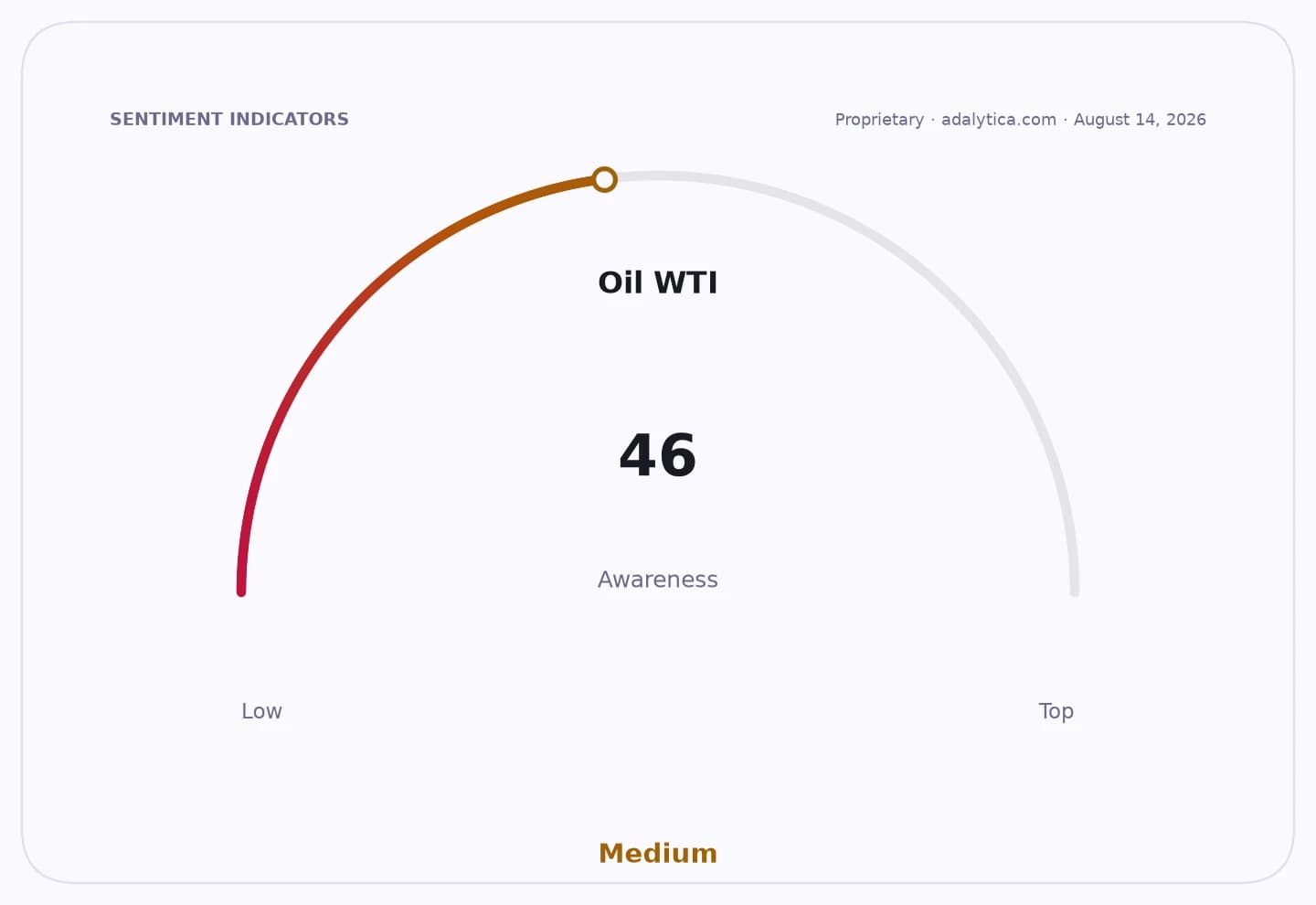
That tension is showing up elsewhere. Oil sentiment from Adalytica is flashing “Greed,” suggesting traders remain positioned for sustained strength even after a sharp run-up, while WTI’s conventional technical indicators show the market stabilizing above its 50-day moving average. That keeps pressure on transport margins and makes fuel-sensitive businesses more exposed than headline index moves would suggest.
The investment takeaway is straightforward: own the infrastructure and logistics names that can pass through fuel costs, avoid the carriers with the weakest pricing power, and watch for secondary beneficiaries in domestic transport, road services and supply-chain compliance. If oil stays near current levels, subsidies like Peru’s may become more common — and the next big move may be in the companies and funds best insulated from fuel inflation.
| Entity | Gains | Losses |
|---|---|---|
| Peruvian transporters | ▲Lower fuel burden | ▼Less pricing discipline |
| Consumers | ▲Softer goods inflation | ▼Fiscal risk from subsidies |
| Government budget | ▲Political relief | ▼Higher subsidy outlays |
| Fuel-sensitive carriers | ▲Temporary cost relief | ▼Margin pressure if subsidies end |