Peru visit spotlights U.S.-China competition in Latin America
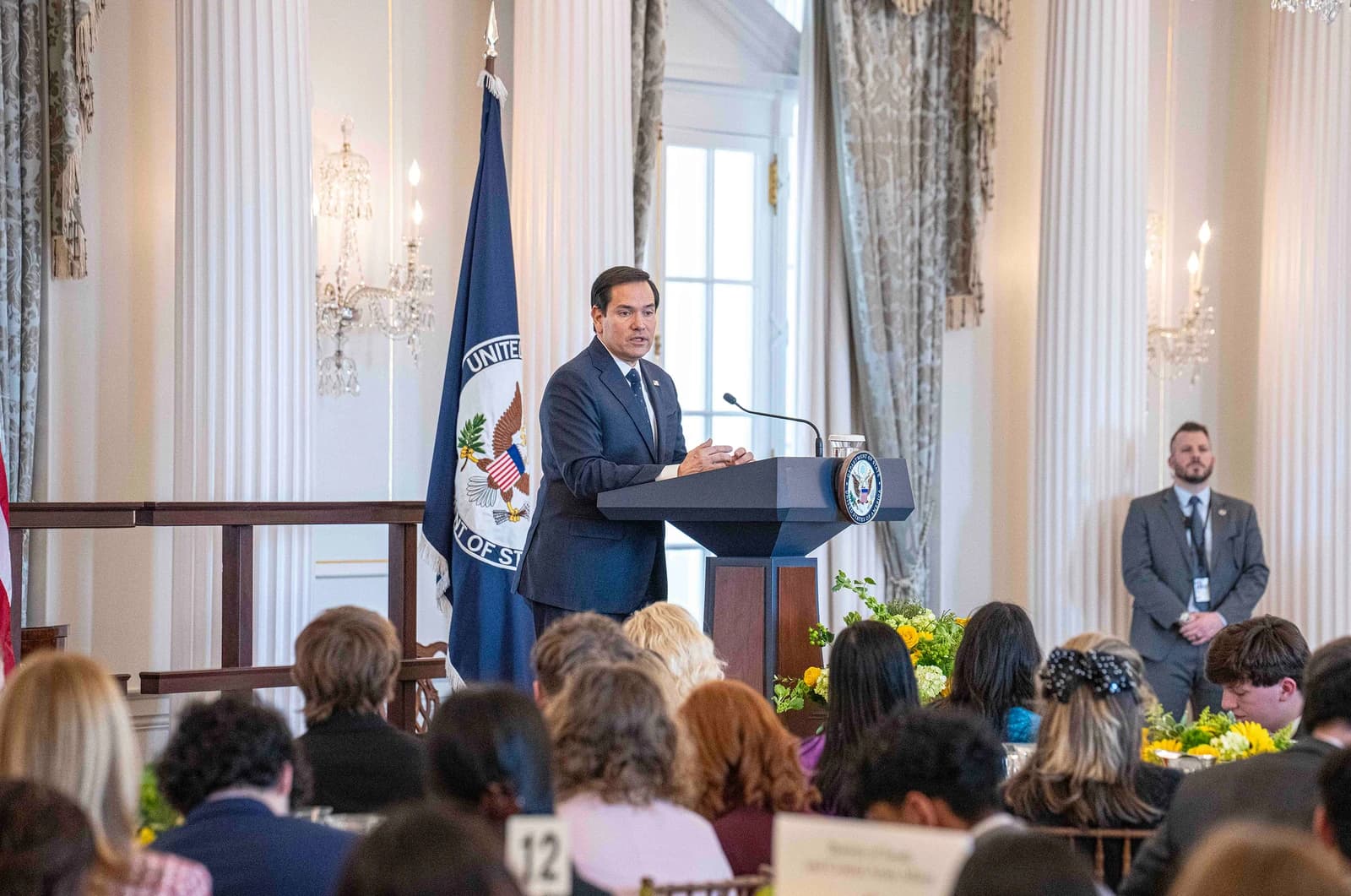
Marco Rubio used a visit to Peru to signal that Washington wants a more active economic and security role in Latin America, a shift that matters because it pits the U.S. against China for influence in a region that sits on key trade routes, commodity supply chains and migration corridors.
The secretary of state, who is also President Donald Trump’s national security adviser, said the administration would give the “hemisphere” priority after what he described as more than two decades of neglect by both Republican and Democratic governments. He cast the policy as practical rather than symbolic, saying the U.S. would pursue cooperation in security, trade and economic development that delivers visible benefits to local populations.
That message lands in Peru at a sensitive moment. China’s most visible investment there is Chancay, the deep-water port operated by Cosco Shipping Ports, which Beijing-backed interests see as a future commercial hub linking South America with Asia. Rubio avoided direct comment on Chancay, but the backdrop was unmistakable: Washington is trying to prevent strategic infrastructure, logistics and resource relationships in the region from tilting too far toward China.
Economically, the stakes extend well beyond diplomacy. Latin America is a major supplier of minerals, agricultural goods and energy products, and Peru in particular exports copper, fisheries and farm products that feed global supply chains. If Washington can deepen trade and investment ties, it could help U.S. companies secure access to raw materials and counter Beijing’s financing and infrastructure footprint. If it cannot, China’s state-linked firms and lenders will continue to shape the region’s transport networks and commodity flows.
For investors, the broader contest matters across several assets and sectors. A stronger U.S. push in Latin America could support contractors, logistics groups, miners and security-linked businesses that benefit from reshoring-friendly or friend-shoring policies. It could also influence country risk premiums and sovereign financing conditions if the U.S. becomes more engaged in regional development and security. At the same time, Chinese-backed projects such as Chancay may continue to alter trade patterns, particularly for Pacific-facing exporters and shipping routes.
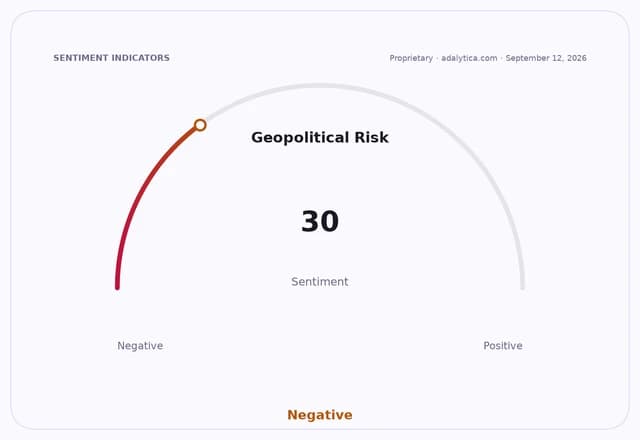
The market backdrop underscores that geopolitical risk is becoming a more important input for cross-border capital allocation. Adalytica’s Global Stability Sentiment gauge sits in fear territory at 30, with its 30-day reading down 42 points, reflecting a more fragile geopolitical environment. That does not imply immediate market stress, but it suggests investors are increasingly sensitive to strategic competition that can affect supply chains, port access and resource nationalism.
Fujimori’s response highlighted the balancing act facing many Latin American governments: courting U.S. support while preserving deep commercial ties with China and Asia. For Peru, and for the region more broadly, the question is no longer whether both powers are present, but which one can offer faster capital, better terms and stronger political guarantees. The next test will be whether Washington follows Rubio’s rhetoric with financing, market access and security cooperation substantial enough to compete with China’s established economic reach.
| Entity | Gains | Losses |
|---|---|---|
| U.S. exporters/investors | ▲Greater regional access | ▼Chinese incumbency |
| Peru | ▲More geopolitical leverage | ▼Pressure to choose sides |
| China/Cosco Shipping Ports | ▲Existing foothold if projects advance | ▼U.S. pushback |
| Latin American governments | ▲More funding options | ▼Higher strategic complexity |