Perum Bulog Margin Rises to 7% in Indonesia
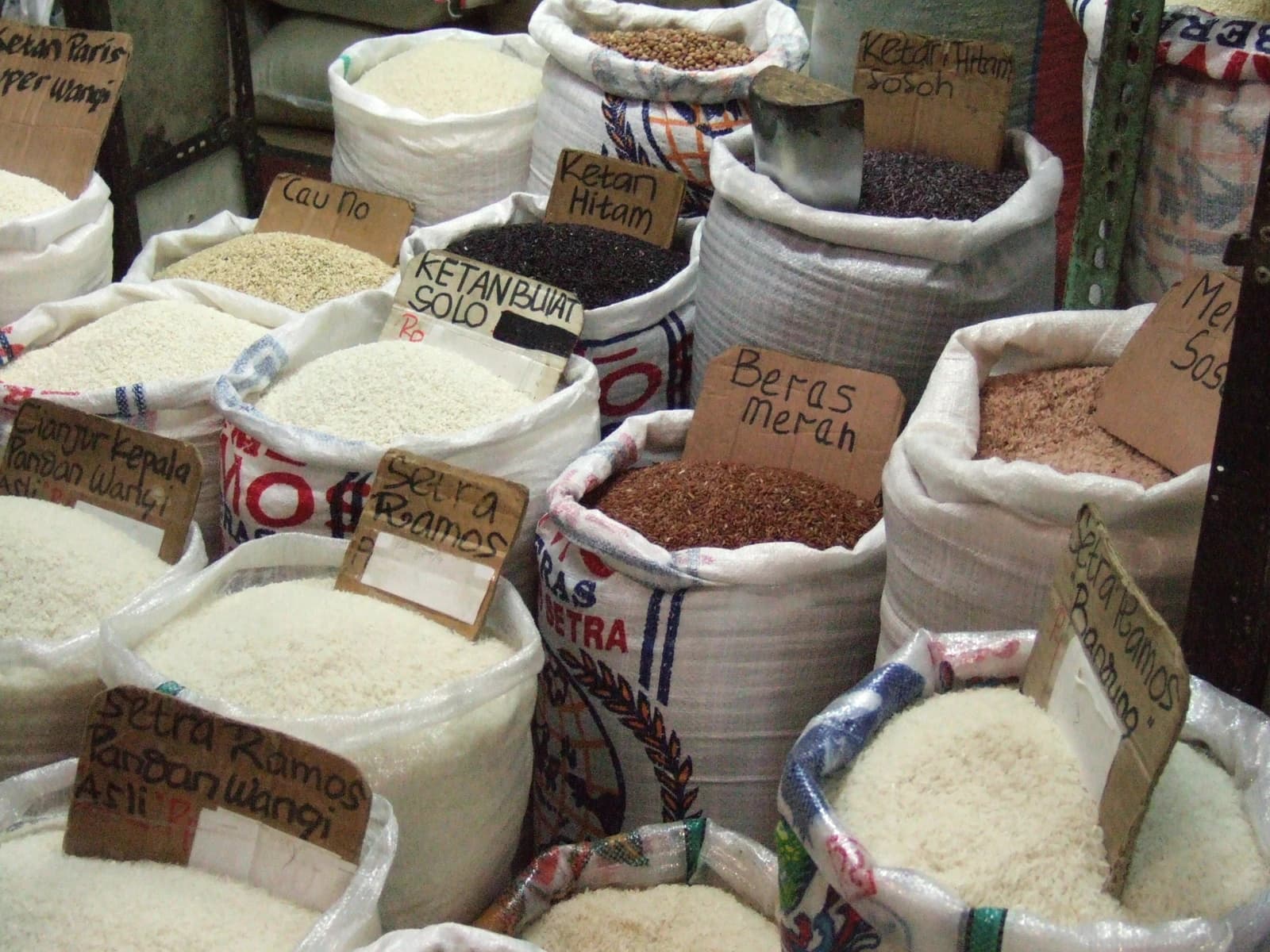
Perum Bulog’s move to a 7% margin, approved by the government, is the most important near-term change because it alters the economics of Indonesia’s rice distribution chain just as policymakers and industry begin debating a “one price” SPHP rice scheme.
The higher margin gives Bulog more room to cover storage, handling and logistics costs, which is economically significant in a market where food price stability is a political priority and where the state buyer is being asked to carry larger inventory and quality-control obligations. Bulog has already been expanding spending on warehouse maintenance and stock management, underscoring that the cost of holding rice is rising even before distribution reforms are fully defined.

That matters for consumers and the broader inflation outlook. Indonesia’s rice market remains highly sensitive to supply disruptions, climate volatility and stock management, and Bulog’s role is central to keeping government rice programs affordable. A wider margin may help preserve supply reliability and reduce the risk that Bulog absorbs losses that eventually constrain procurement or distribution. But it also raises questions about whether higher handling costs will eventually be passed through, especially if the planned one-price SPHP framework narrows pricing flexibility across regions.
For investors, the issue is less about direct listed exposure than about the policy signal it sends across agribusiness, food distribution and commodity-linked businesses. A more viable Bulog could support steadier procurement and inventory turnover, which is positive for upstream suppliers and logistics providers. The bear case is that a higher margin structure becomes a prelude to broader price normalization, tightening affordability for households and increasing political pressure if rice inflation accelerates.
The market is likely to watch whether the margin change is enough to keep Bulog’s operating model sustainable while the government advances the SPHP pricing discussion. If the new scheme improves execution without stoking inflation, it would strengthen the case for more disciplined state-backed food policy. If not, rice pricing could become another source of tension between food security goals and consumer protection.
| Entity | Gains | Losses |
|---|---|---|
| Perum Bulog | ▲Wider operating margin | ▼Higher scrutiny on pricing |
| Rice consumers | ▲Better supply reliability | ▼Risk of higher retail prices |
| Government | ▲Stronger distribution capacity | ▼Inflation management pressure |
| Food distributors / suppliers | ▲More stable procurement | ▼Less pricing flexibility |