Peso Collapse Deepens Argentina’s Dollarization Shift
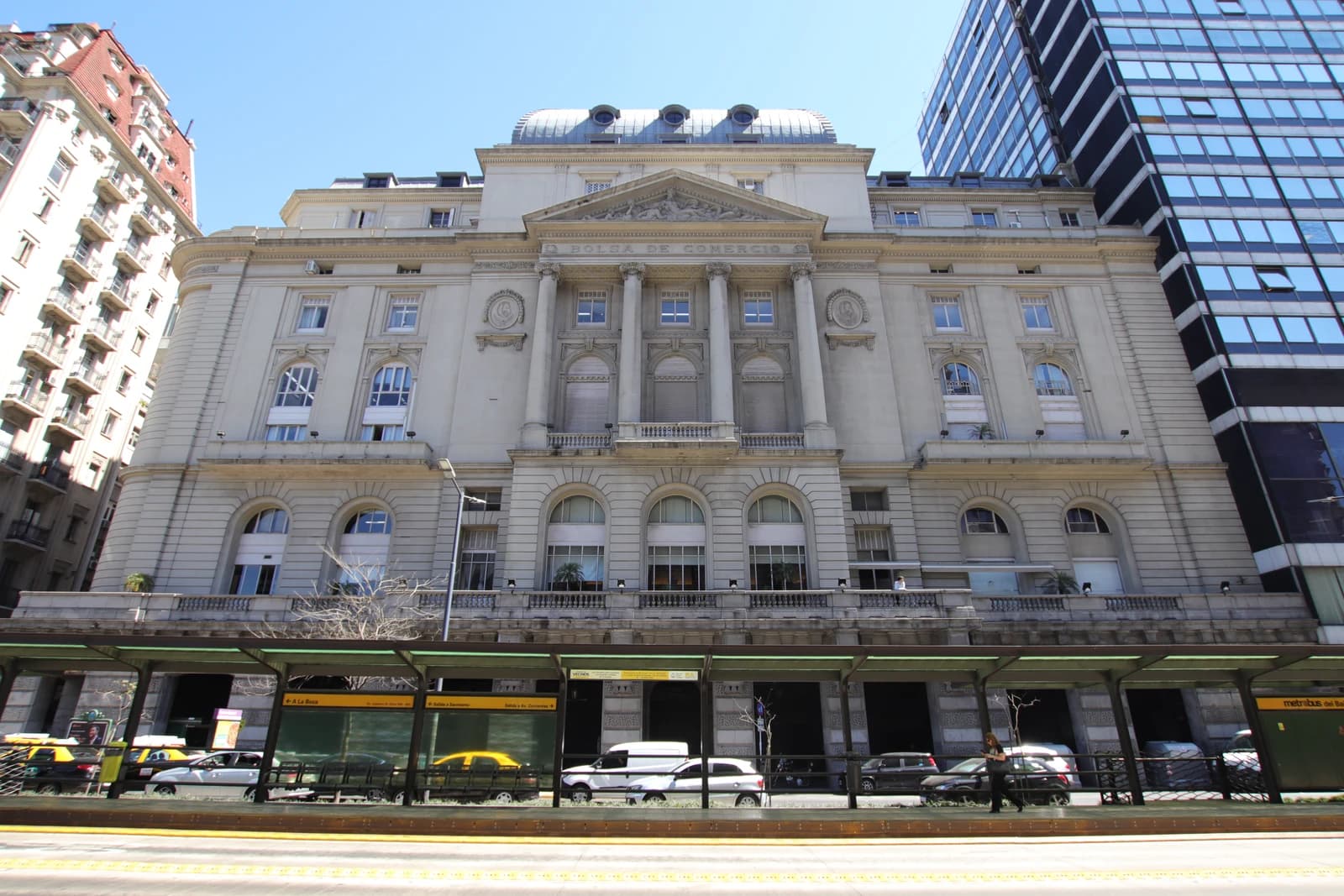
The Argentine peso’s relentless collapse is now less a currency move than a judgment on the country’s policy framework, with the exchange rate trading around 1,480 per dollar and markets pricing in a continuing loss of purchasing power that has left the peso functionally close to worthless.
That matters because a currency this weak distorts every part of the economy. It raises import costs, complicates debt service, compresses real wages and forces companies and households to think in dollars even when they earn in pesos. For investors, it turns Argentina into a classic bifurcated market: exporters, dollar earners and hard-currency assets can benefit, while domestic demand, banks and peso-linked savings remain exposed to further erosion.
The scale of the damage is visible in the numbers. The peso has been drifting near record lows even as its technical indicators point to a market that has been persistently overextended. On July 14, the ARS=X series closed at 1,482, well above both its 50-day moving average of 1,437 and 200-day moving average of 1,425, while the relative strength index was still elevated at 59.1 after touching 75.1 a day earlier, showing a currency that remains under intense pressure even after bouts of short-covering and intervention-driven rebounds.
This is not just a trading story. Argentina’s broader price level has continued to move sharply higher, with consumer prices rising from 330.3 in March 2026 to 333.98 in May and projected to reach 336.06 in June. In an economy where inflation remains structurally high, a weak currency feeds directly into imported inflation and erodes any gains from fiscal or monetary tightening. The central challenge is credibility: unless policymakers convince markets that the peso can hold value, devaluation expectations will keep reinforcing themselves.
The market contrast is telling. The broader emerging-market ETF EEM has held up far better than Argentina-specific assets, while the Argentina ETF ARGT remains volatile but has outperformed the currency in local terms, reflecting investors’ preference for equity exposure to dollar-linked revenues over direct peso holdings. ARGT closed at 148.20 on July 14, far above its 200-day average of 142.46, suggesting some confidence in listed Argentine companies even as the underlying currency remains deeply impaired.
That divide is also visible inside corporate balance sheets. BBVA Argentina has pointed to an increase in foreign-currency deposits, which it attributed in part to the peso’s appreciation phase earlier this year, underscoring how quickly depositor behavior shifts when the local currency weakens. In Argentina, households and firms instinctively move toward dollars when the peso falters, starving the domestic financial system of stable long-term funding and limiting the banking sector’s ability to support credit growth.
For investors, the key question is not whether the peso can stage short rallies but whether Argentina can break the cycle that makes each rally temporary. A durable turnaround would require lower inflation, more credible policy anchoring and a narrowing of the gap between official rates and the economy’s dollar reality. Absent that, the peso will keep functioning as a melting ice cube — and the safest way to invest in Argentina will remain through assets that earn or preserve value in hard currency.
| Entity | Gains | Losses |
|---|---|---|
| Dollar earners/exporters | ▲Preserved revenue | ▼Local cost pressure |
| Argentine households | ▲None | ▼Purchasing power |
| Banks with FX deposits | ▲Dollar funding inflows | ▼Peso savings erosion |
| Peso holders/importers | ▲None | ▼Balance-sheet losses |